


Related Project
In November 2019, the FIEST – International training in TV series writing project achieved its activities and assessed these two years of work and cooperation. Throughout the project implementation, the consortium has faced several challenges. First, the transnational nature of the pilote training that was launched simultaneously by the 5 partner schools, in November 2018. These institutes from European and South Mediterranean countries have been
able to share a common ground in terms of established training objectives, study plan, criteria for students’ selection and evaluation, recruitment of teachers, timetable and key learning steps: a complex exercise of exchanges, mutualisation, definition of solutions capable to combine the respect of the specificities of each one with the need of shared frameworks and processes.
Secondly, with the ultimate aim of preparing students to the professional challenges proper to series writers’ job, the theoretical training has been deeply integrated by the practical exercise of creation and writing of original series projects. This process was structured into 3 stages: concept, bible and pilot episode of an original series. Throughout the pilot training (November 2018 – June 2019), the students from each school worked as a team to develop their ideas, being the ability to work together in a writing room a crucial aspect of the profession.
This collective writing effort resulted in the conception of 8 new series projects, co-authored by the 30 students benefiting from the training. Some of these projects are on the way of further developments that may lead to their concrete production.
“Among the highlights of this journey, I would mention
the Skype exchanges between students from different
schools, for example Moroccan, Belgian, Lebanese.
They had the opportunity to read each other’s
projects, make comments and take advantage of the
suggestions from their peers. If this was possible, it
was thanks to the shared theoretical foundation and
to the preliminary work carried out by the teaching
teams to establish a common progression of learning”
(Vincent Melilli, director of the ESAVM).
This process was supported by another essential component of FIEST: the will to favour the direct relationship between sector professionals (TV fiction directors, (co)producers, distributors, etc.) and the young series’ screenwriters, in order to allow them to get used and closer – already at the training stage job’s constraints and perspectives.
Such opportunity was pursued from the beginning thanks to the very fruitful partnership with France Télévisions: the concepts and the bibles of the series developed during the training were evaluated by Anne Didier, Deputy Director of fiction, who expressed critical advises and highlighted strengths and weaknesses of each project, thus providing students with valuable elements to improve or complete their projects.
“It has been a unique experience closely combining
the theoretical aspects and the “real life” practice,
which made possible to go beyond the educational
aspect towards the concrete relation with the
production domain players. The sharing between
schools made possible the exchanges between
the Mediterranean young talents who addressed
subjects from their experiences to generate
an original work, specific to their culture and
environment” (Alain Brenas, director of the Cinema
and Audiovisual Production School of ALBA).
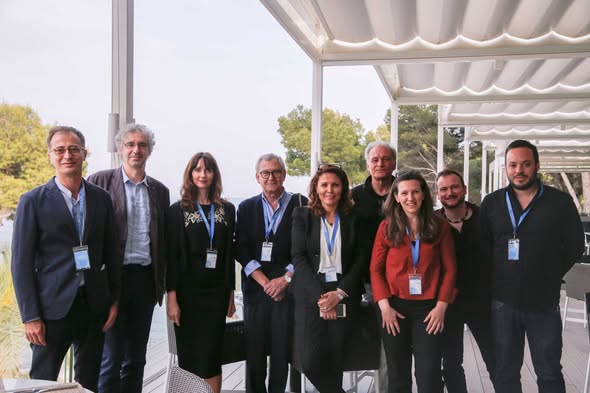
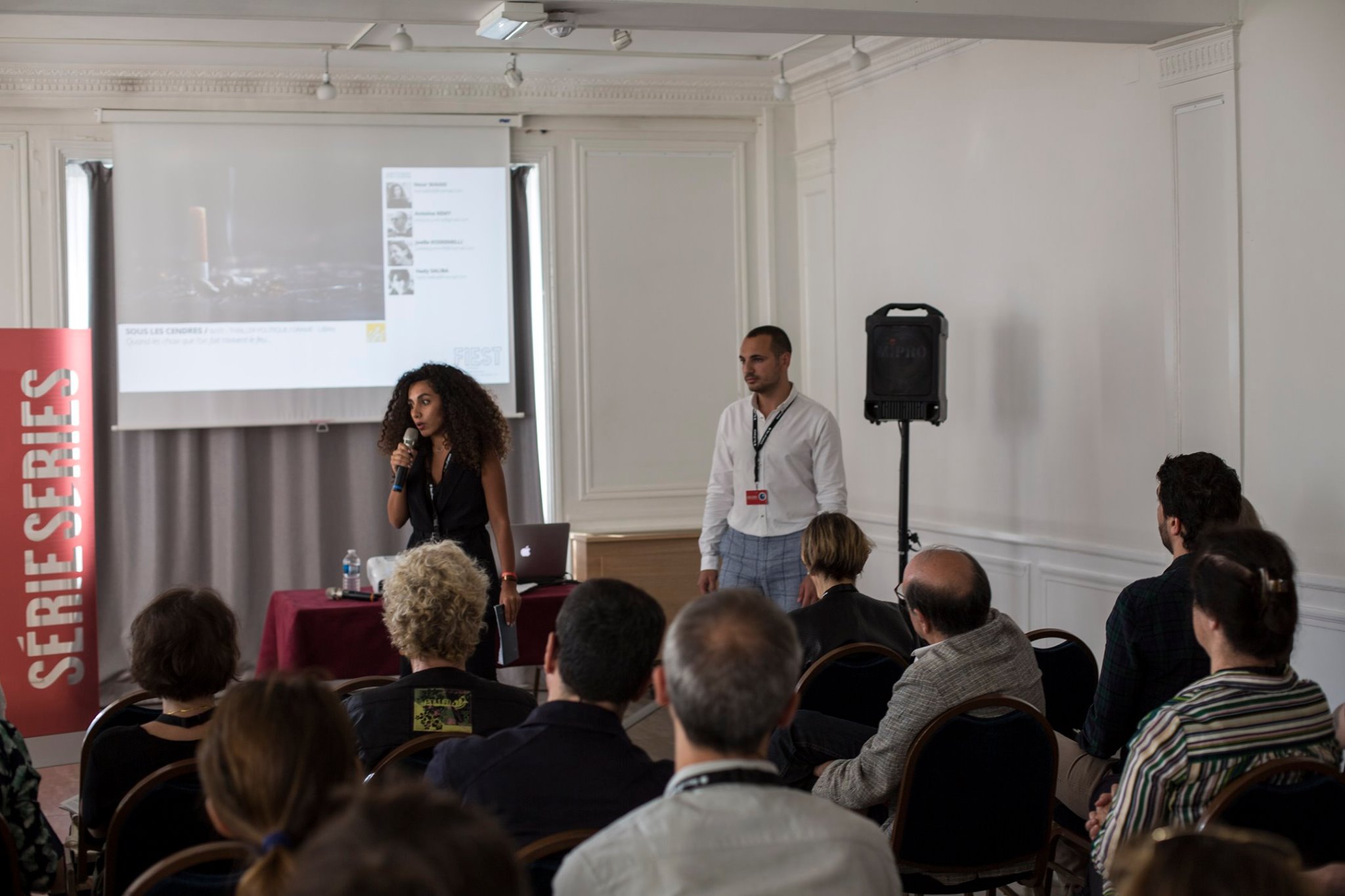
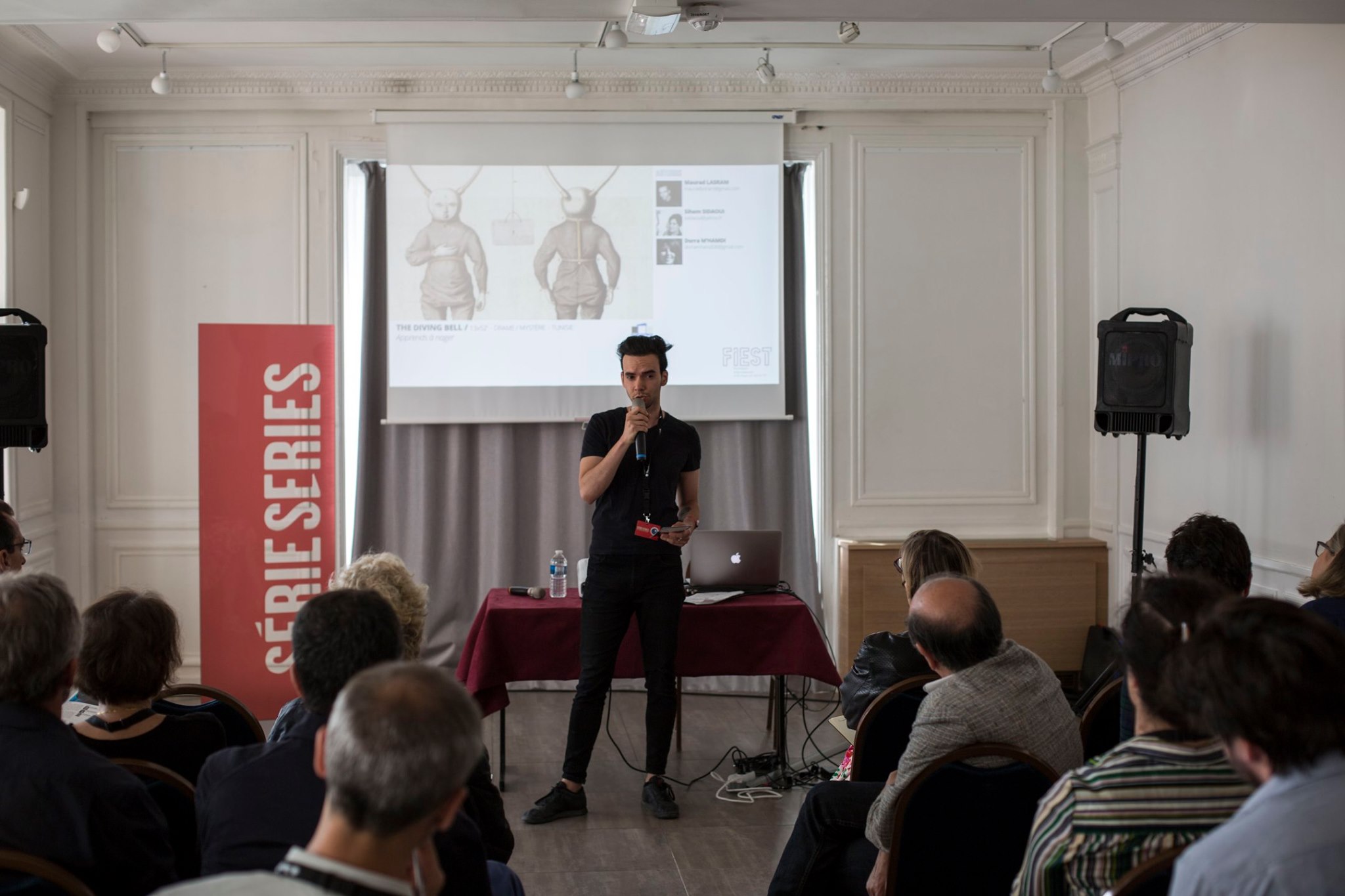
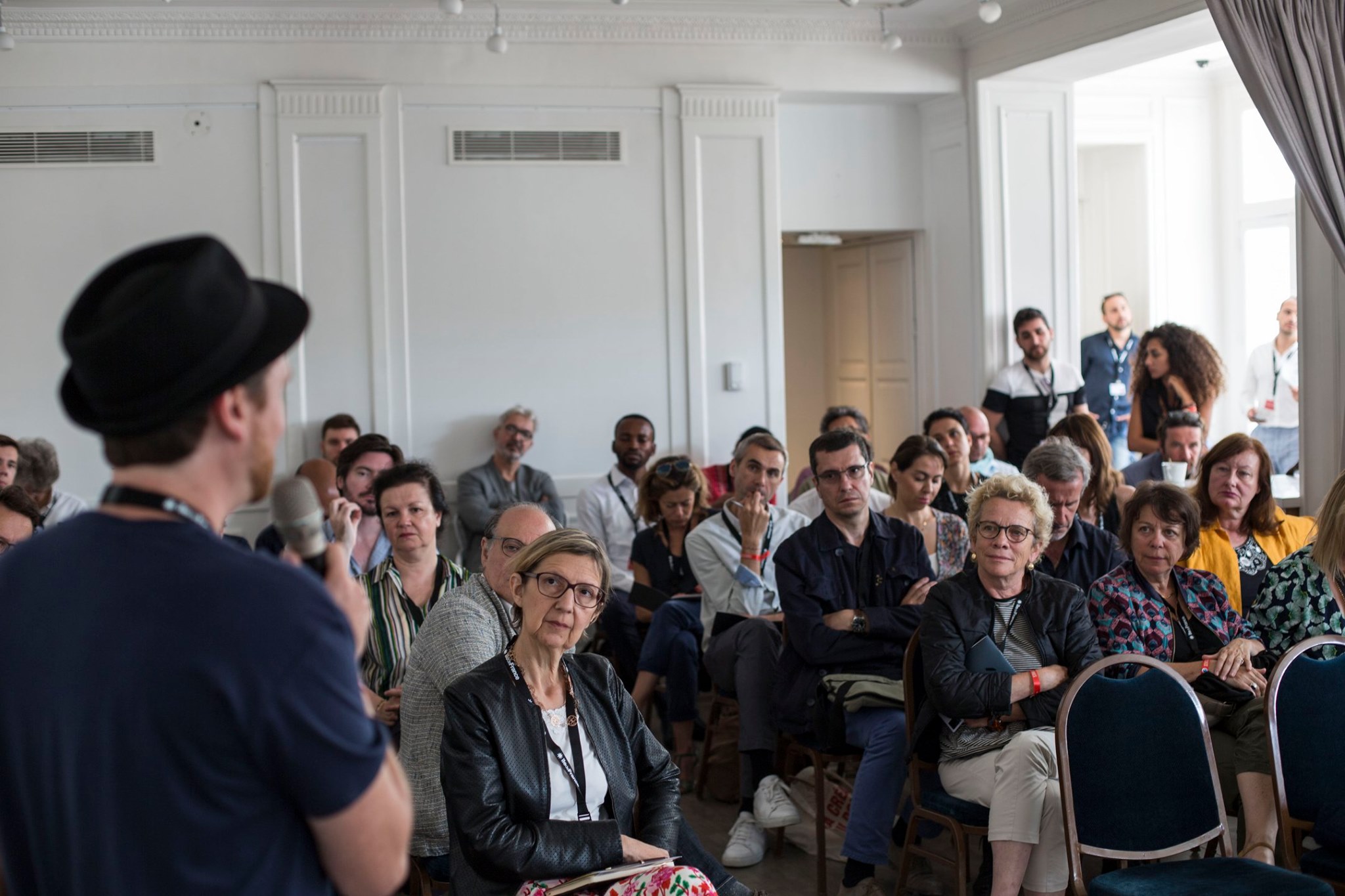
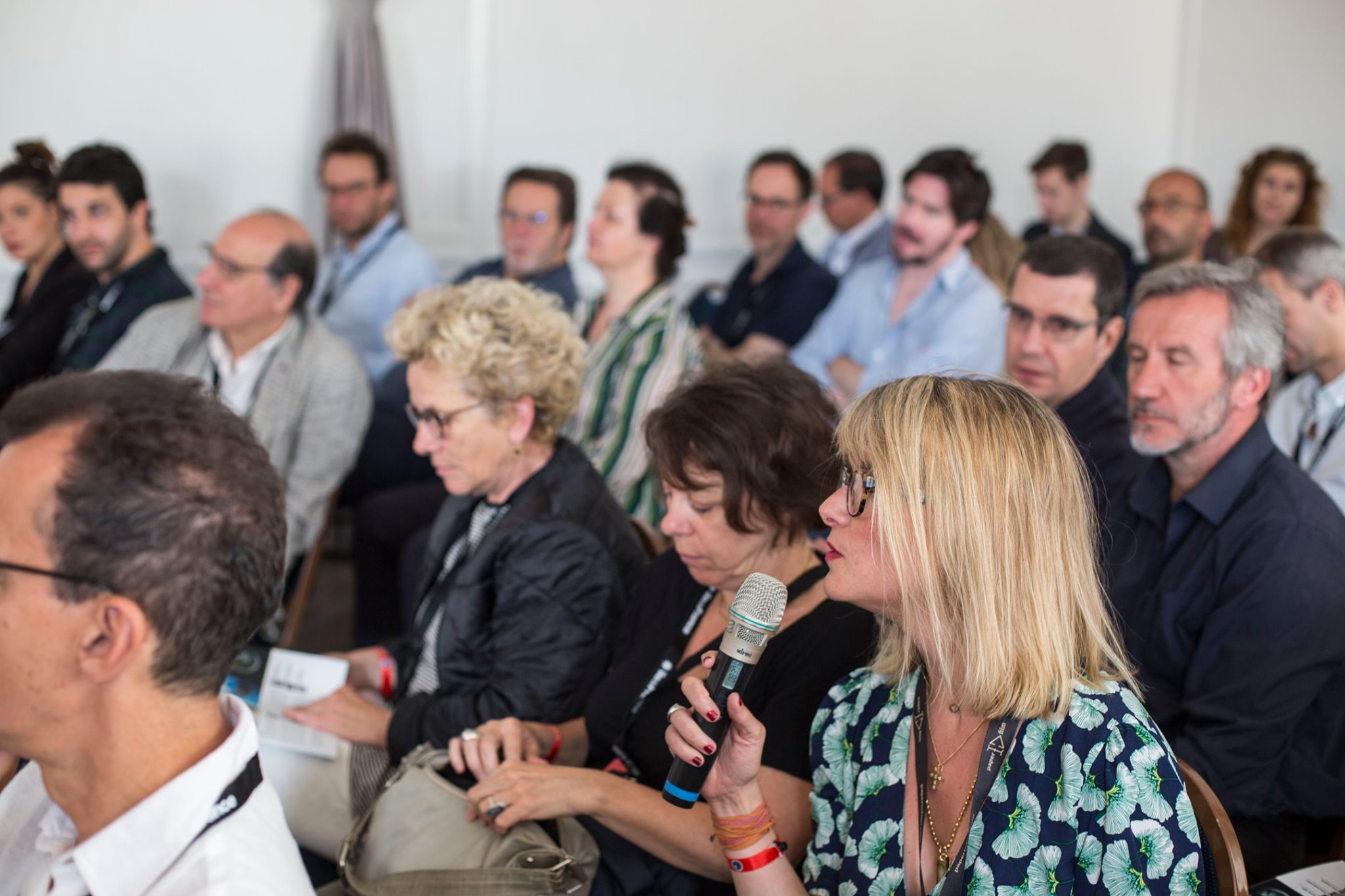
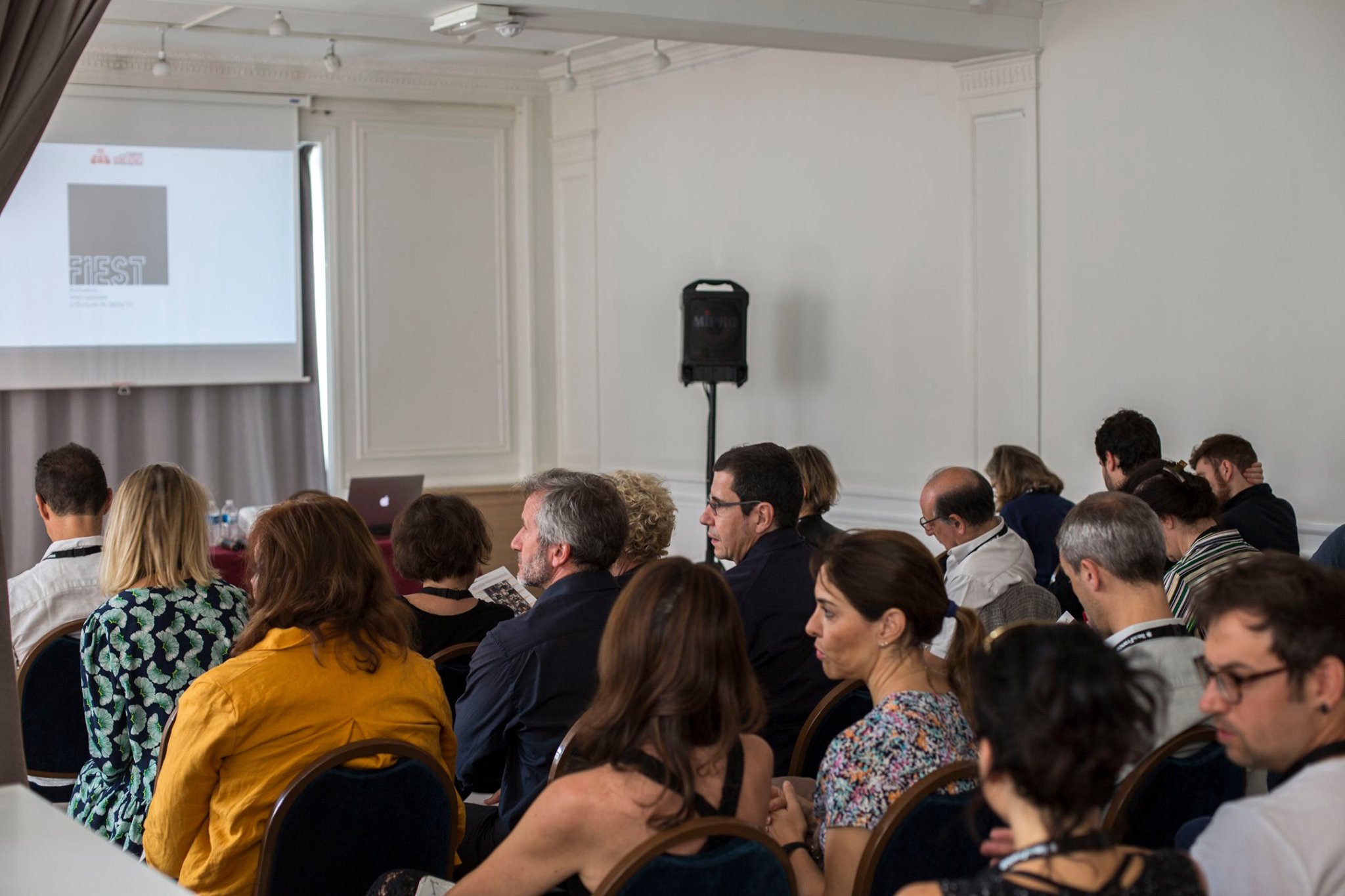
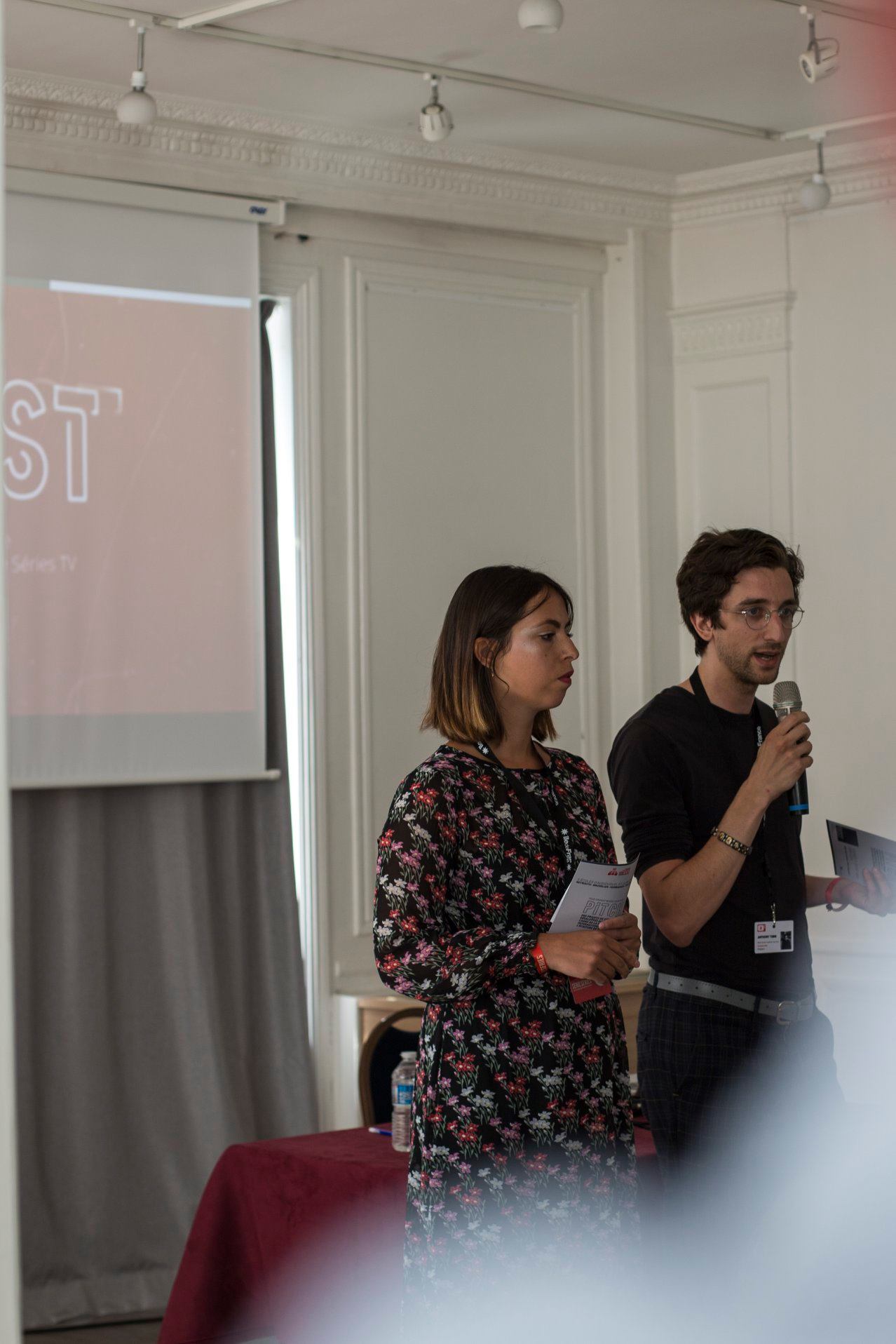
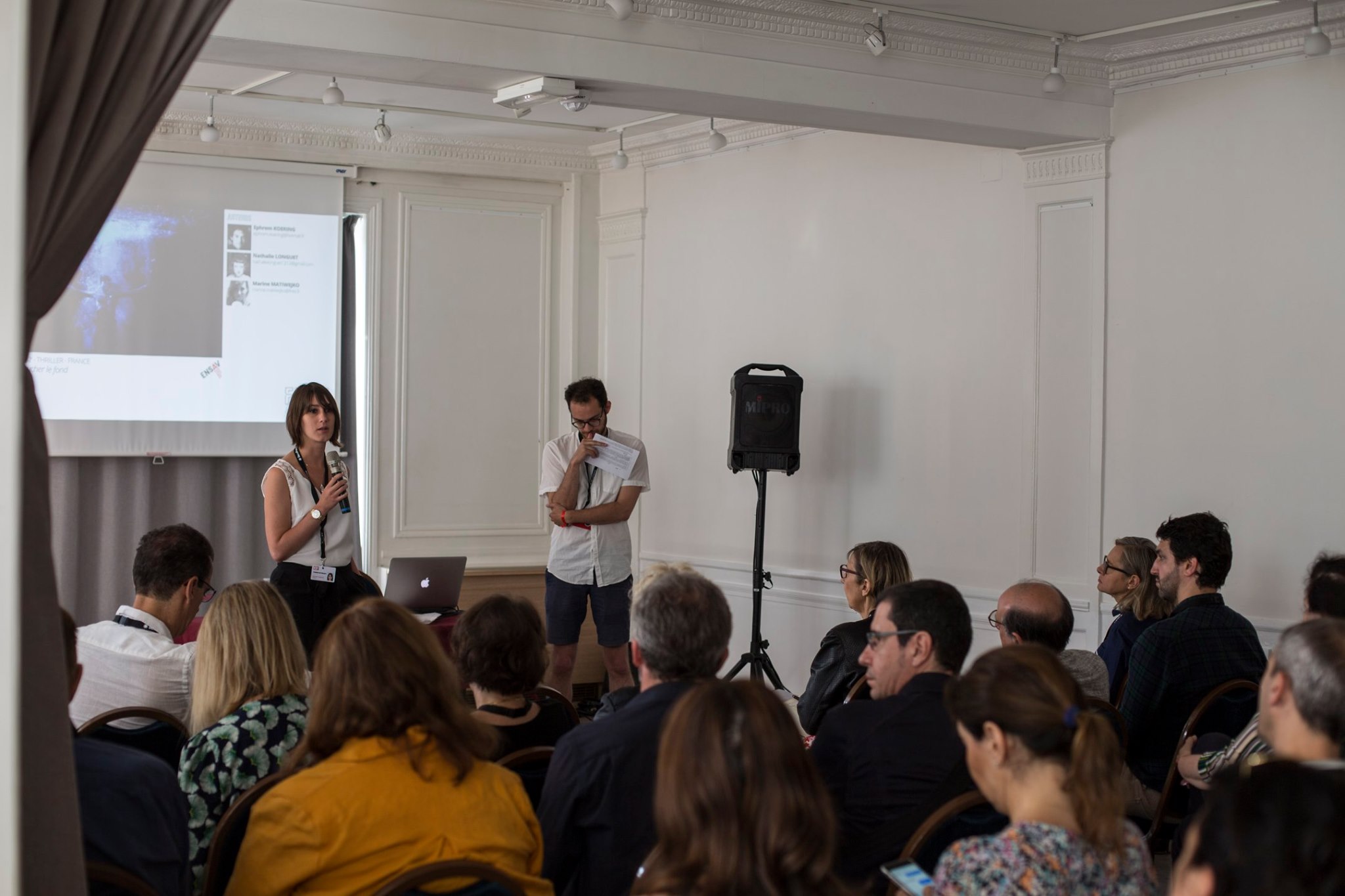
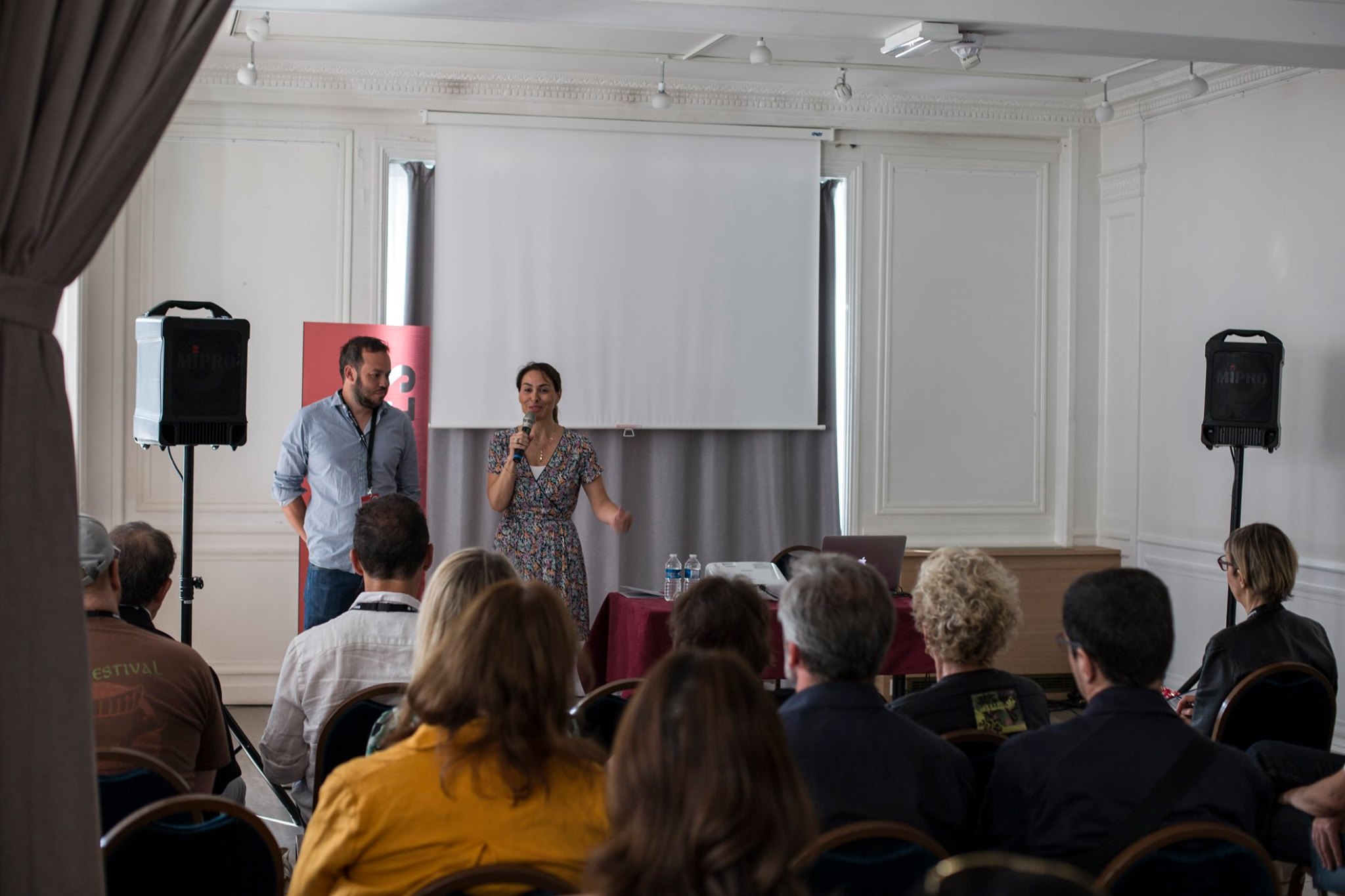
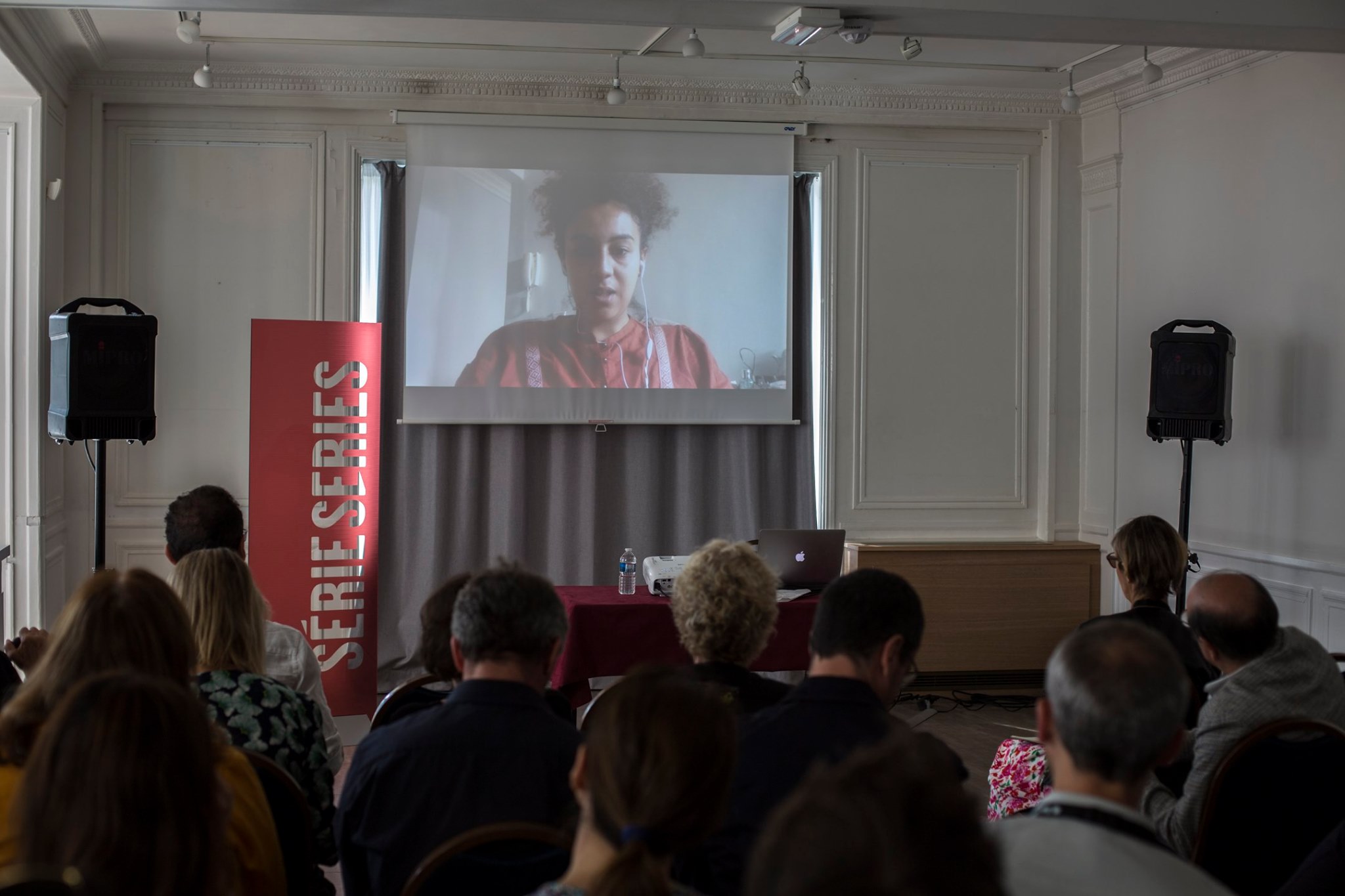
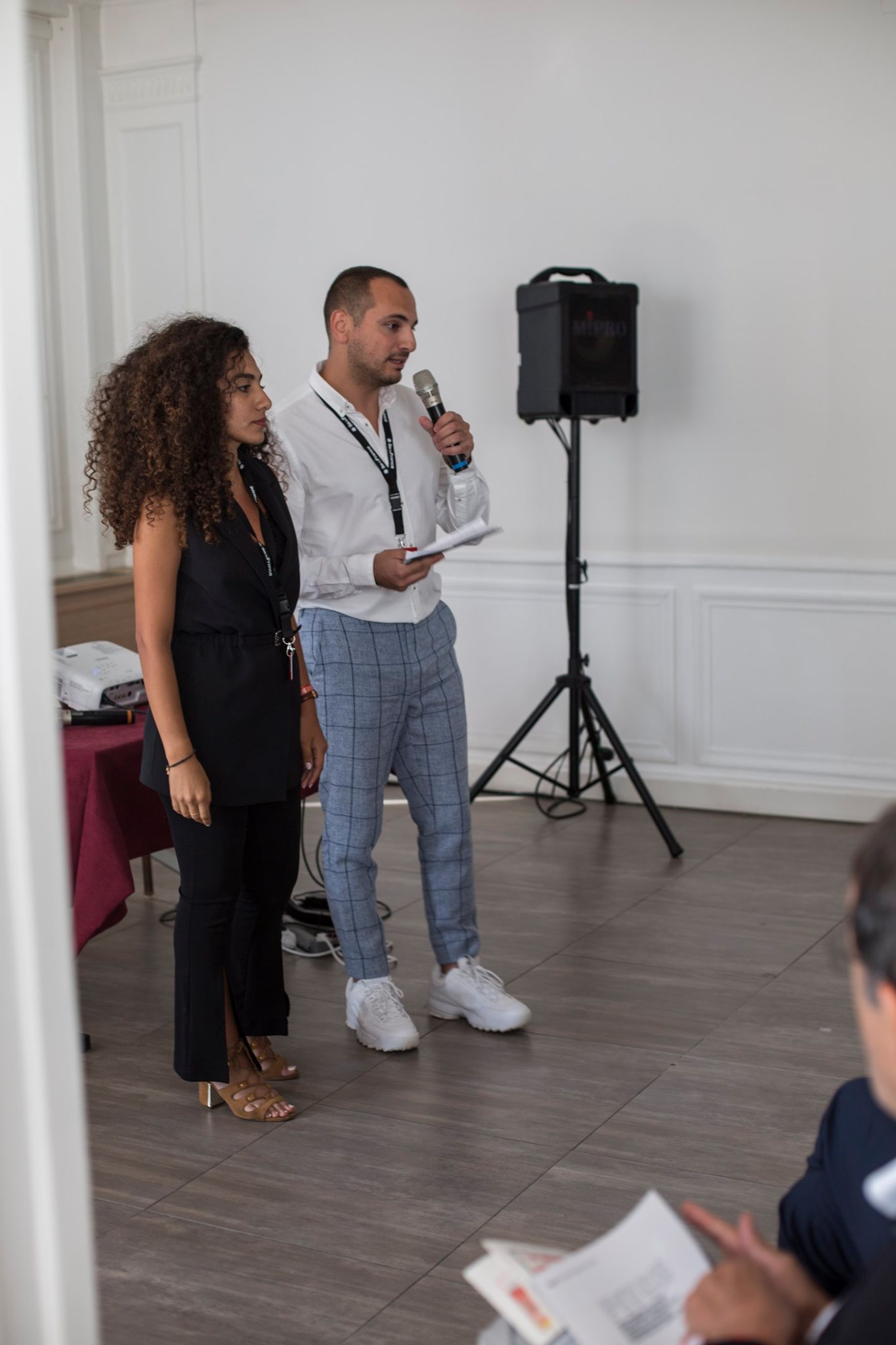
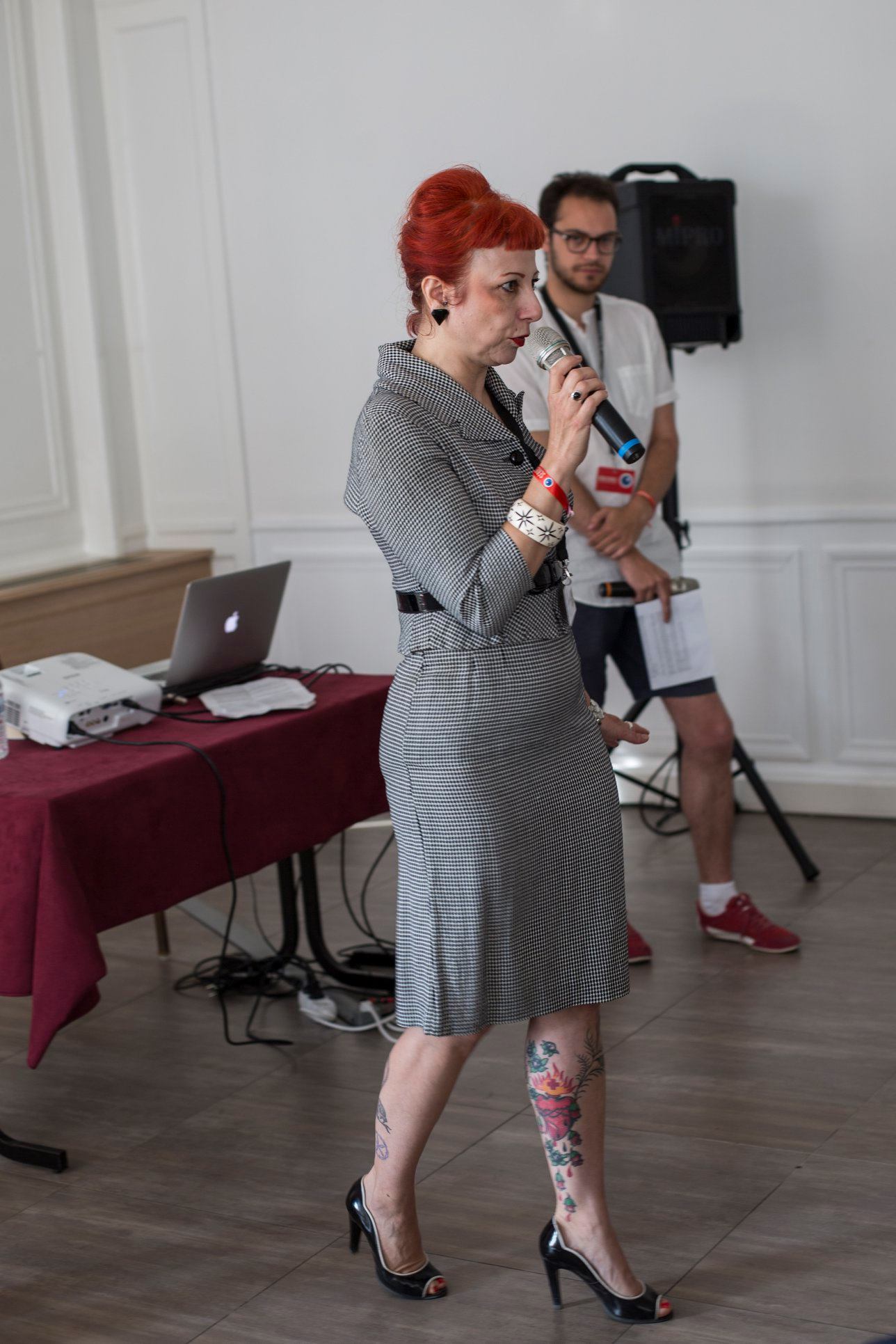
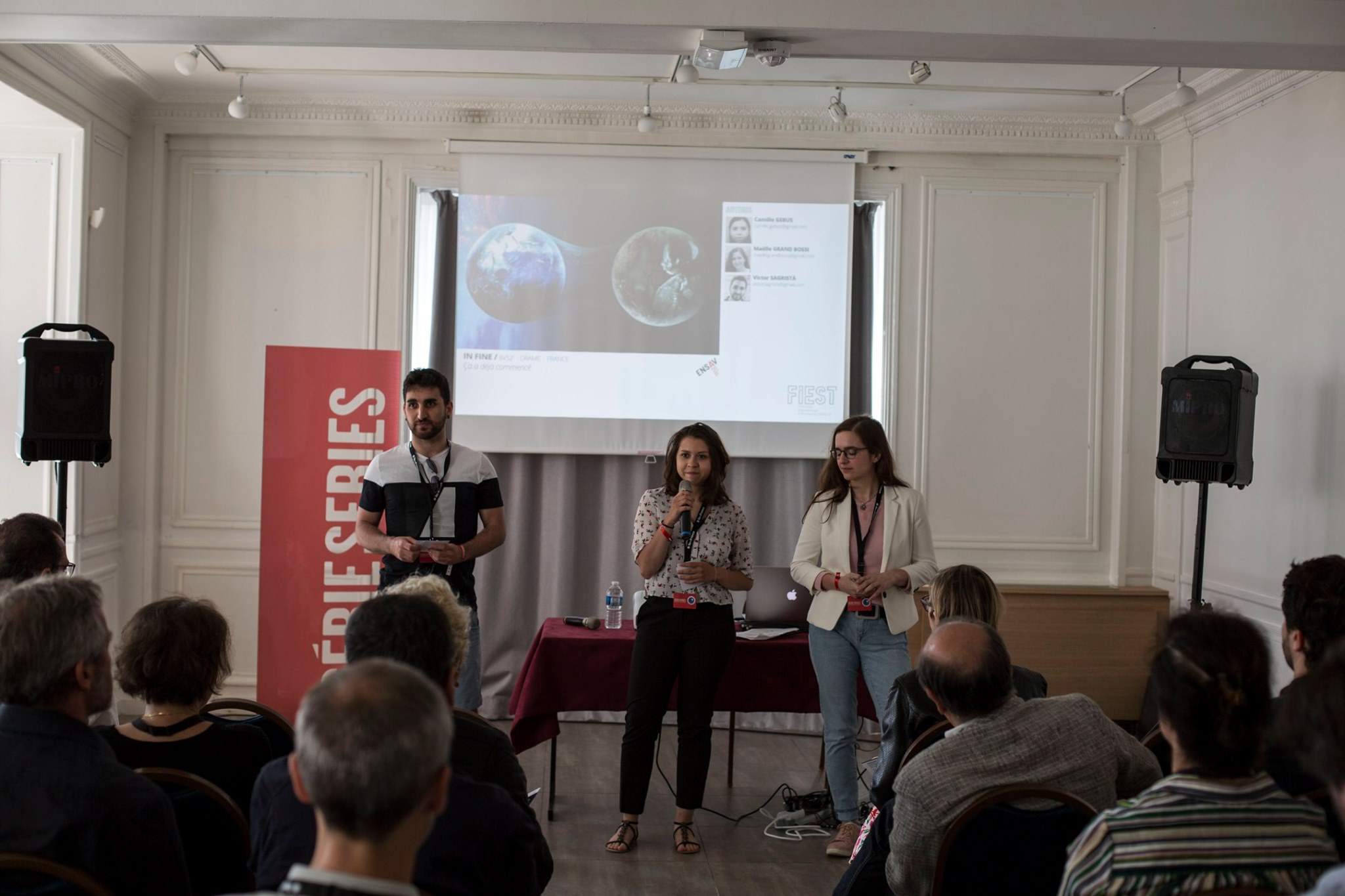
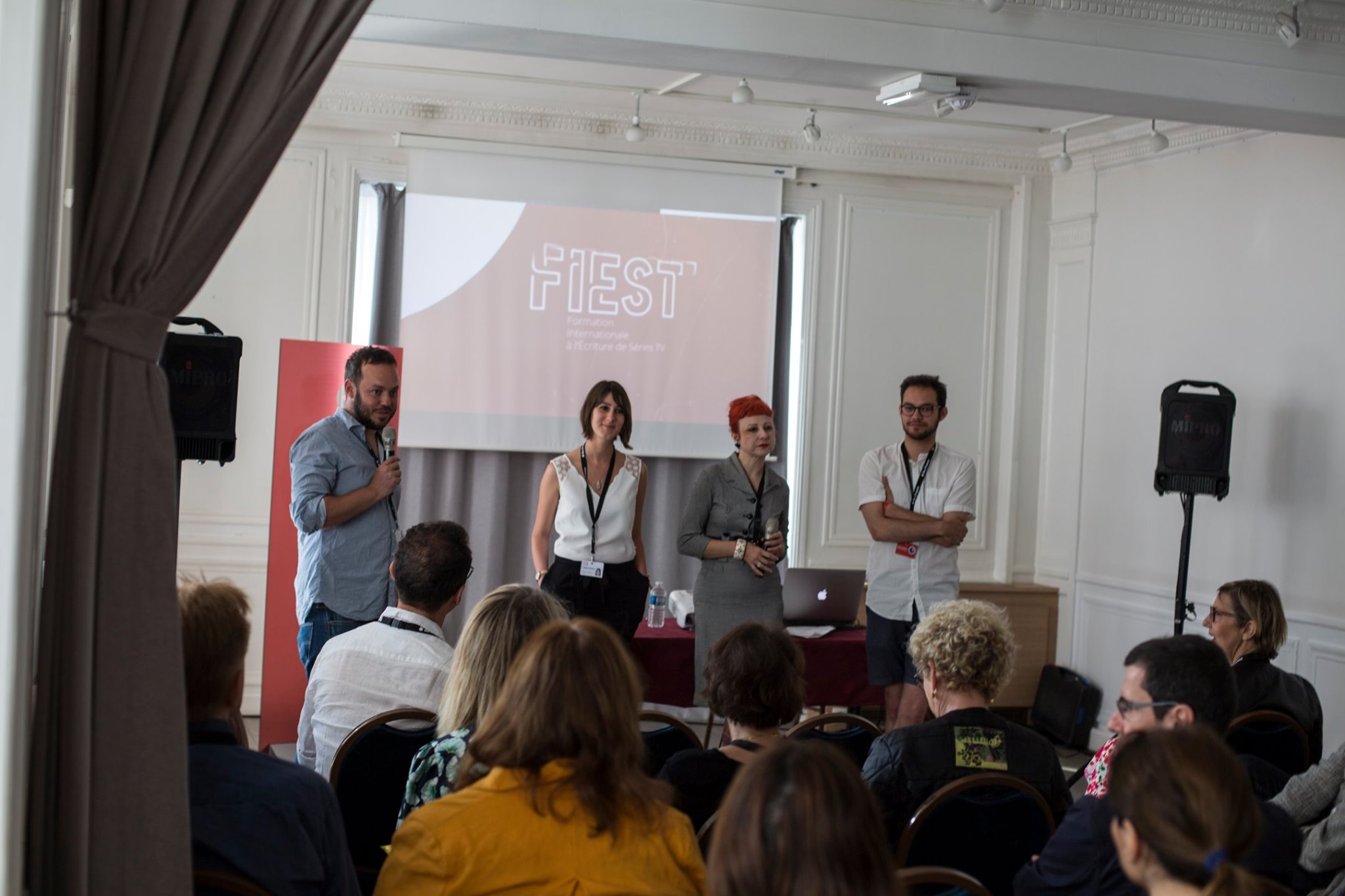
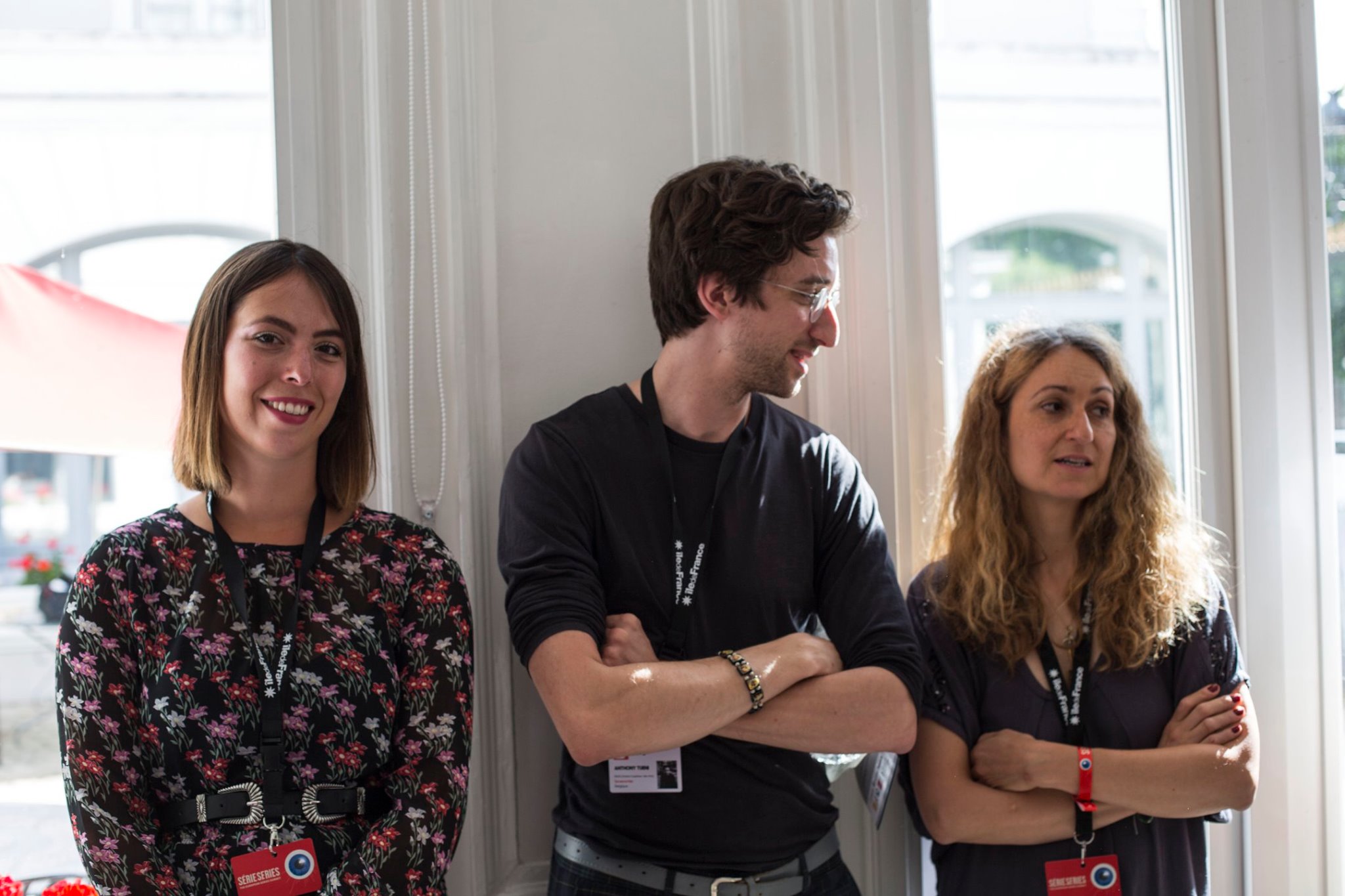
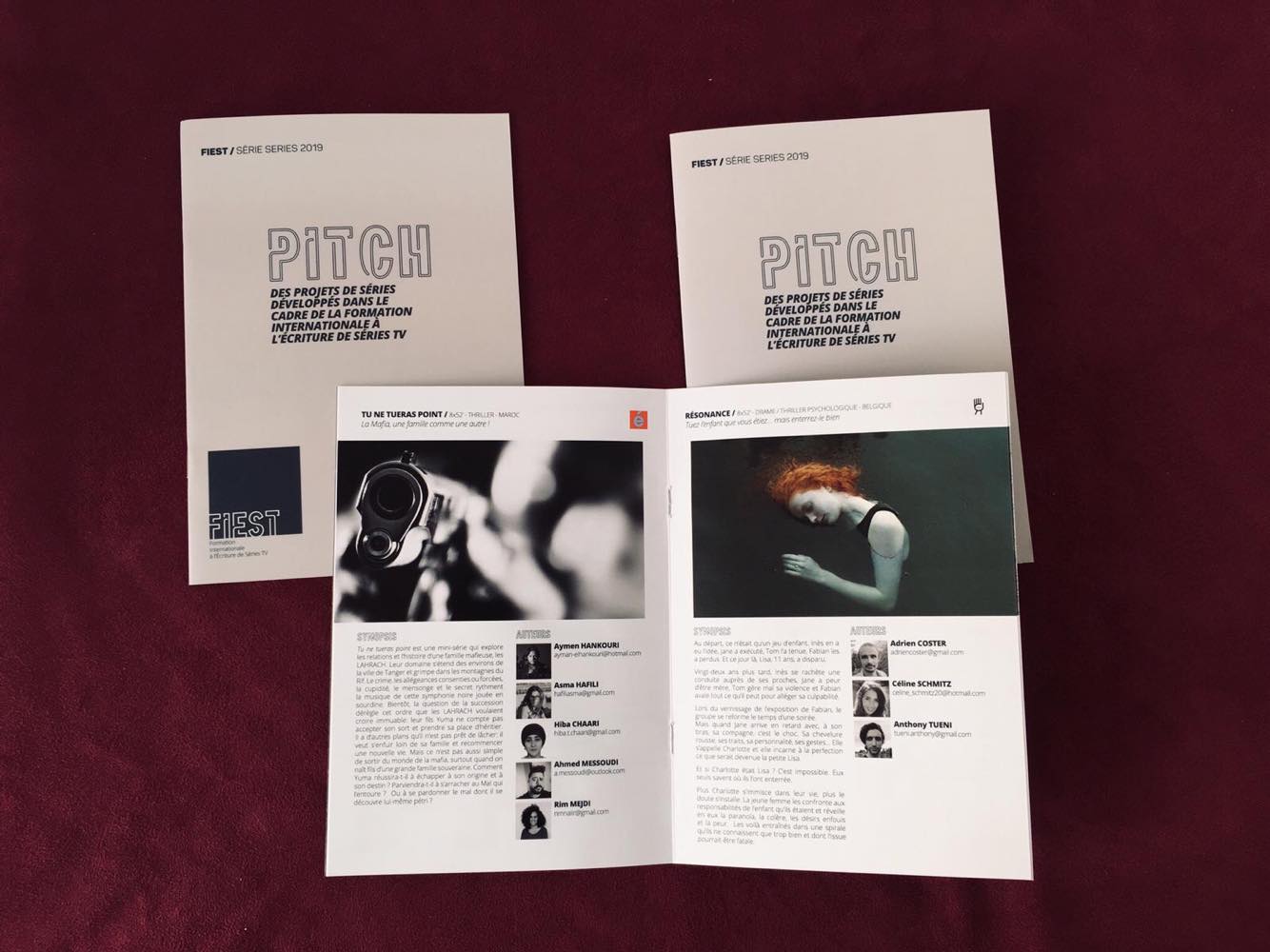
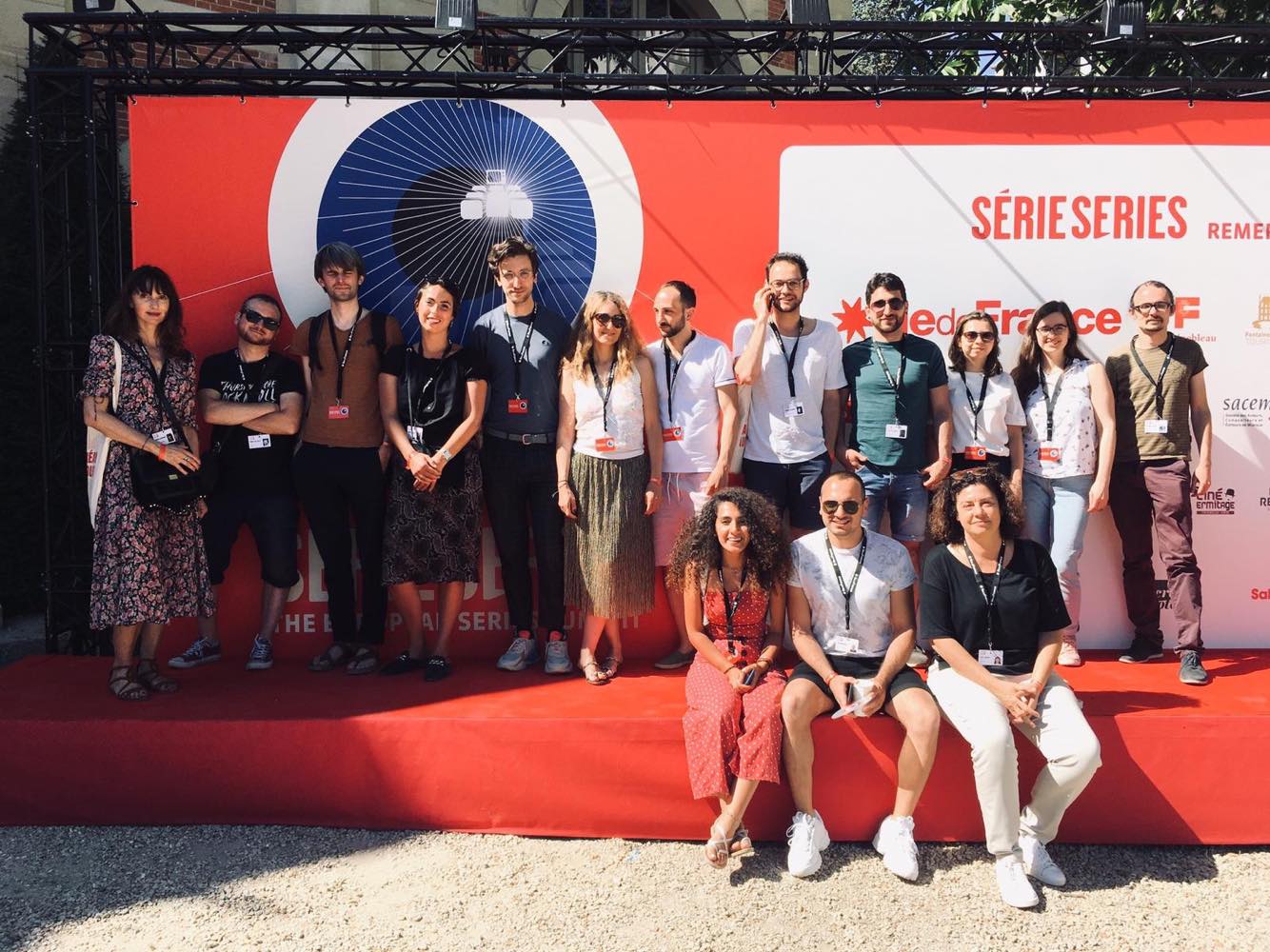
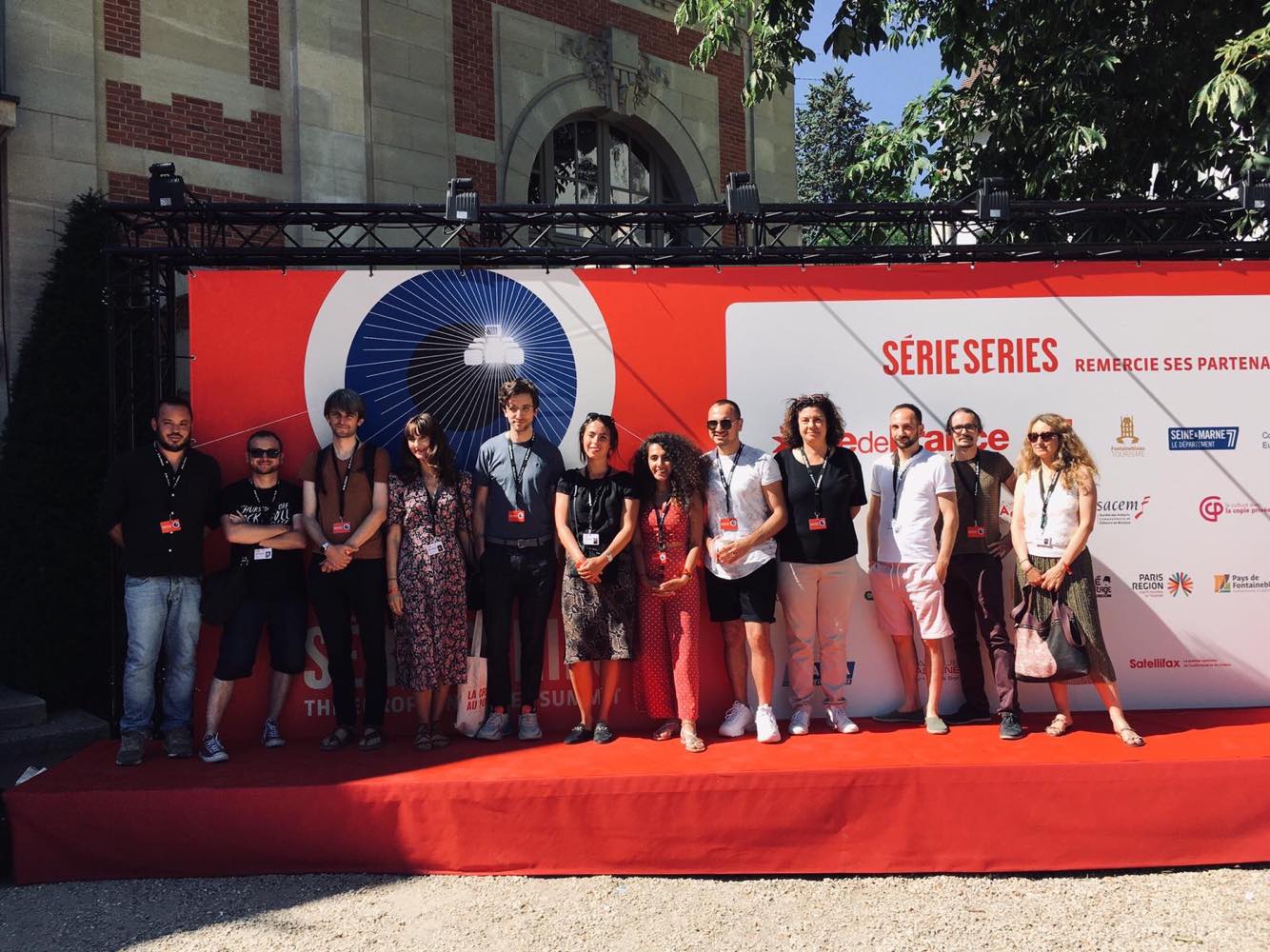
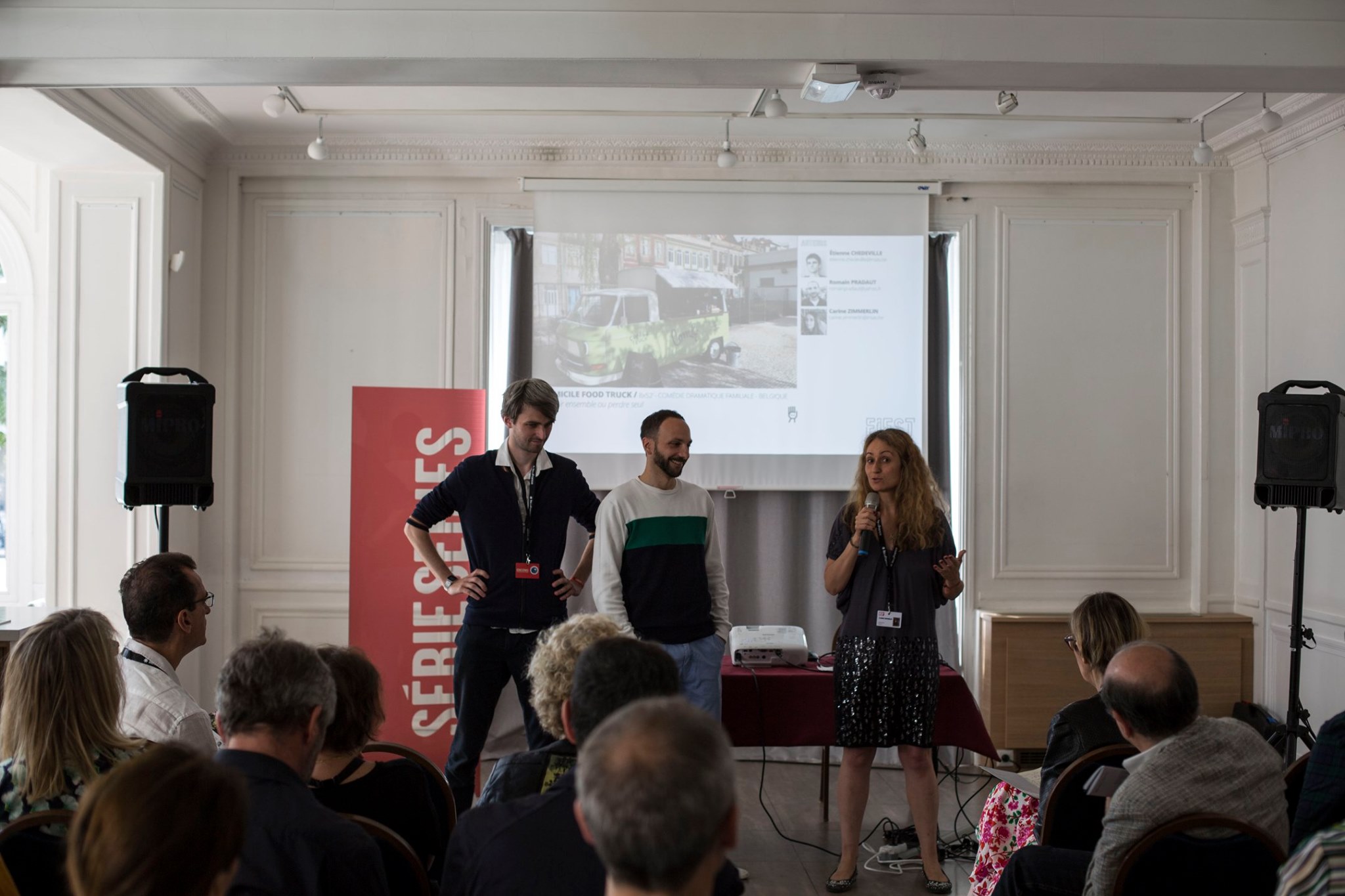
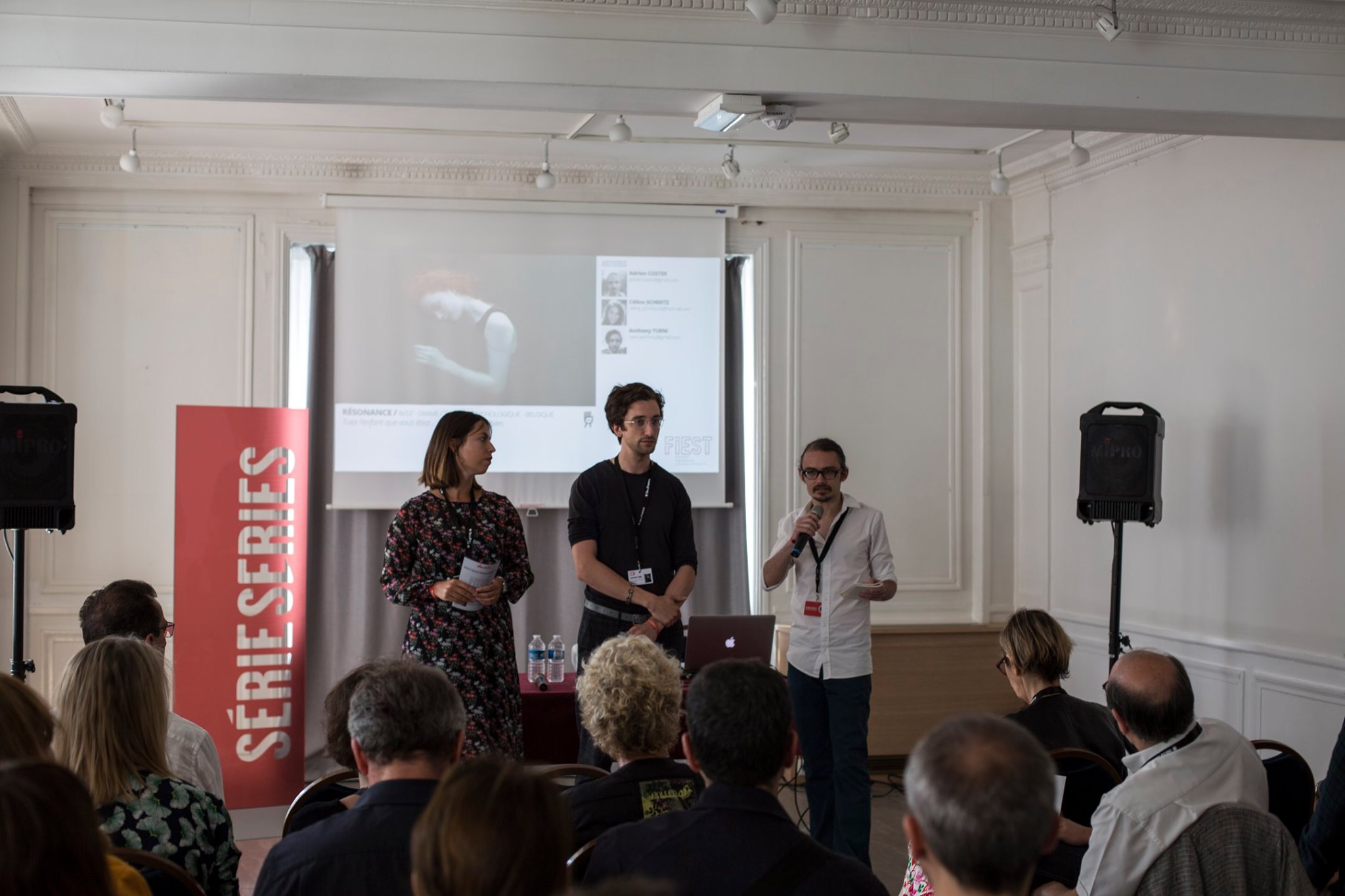
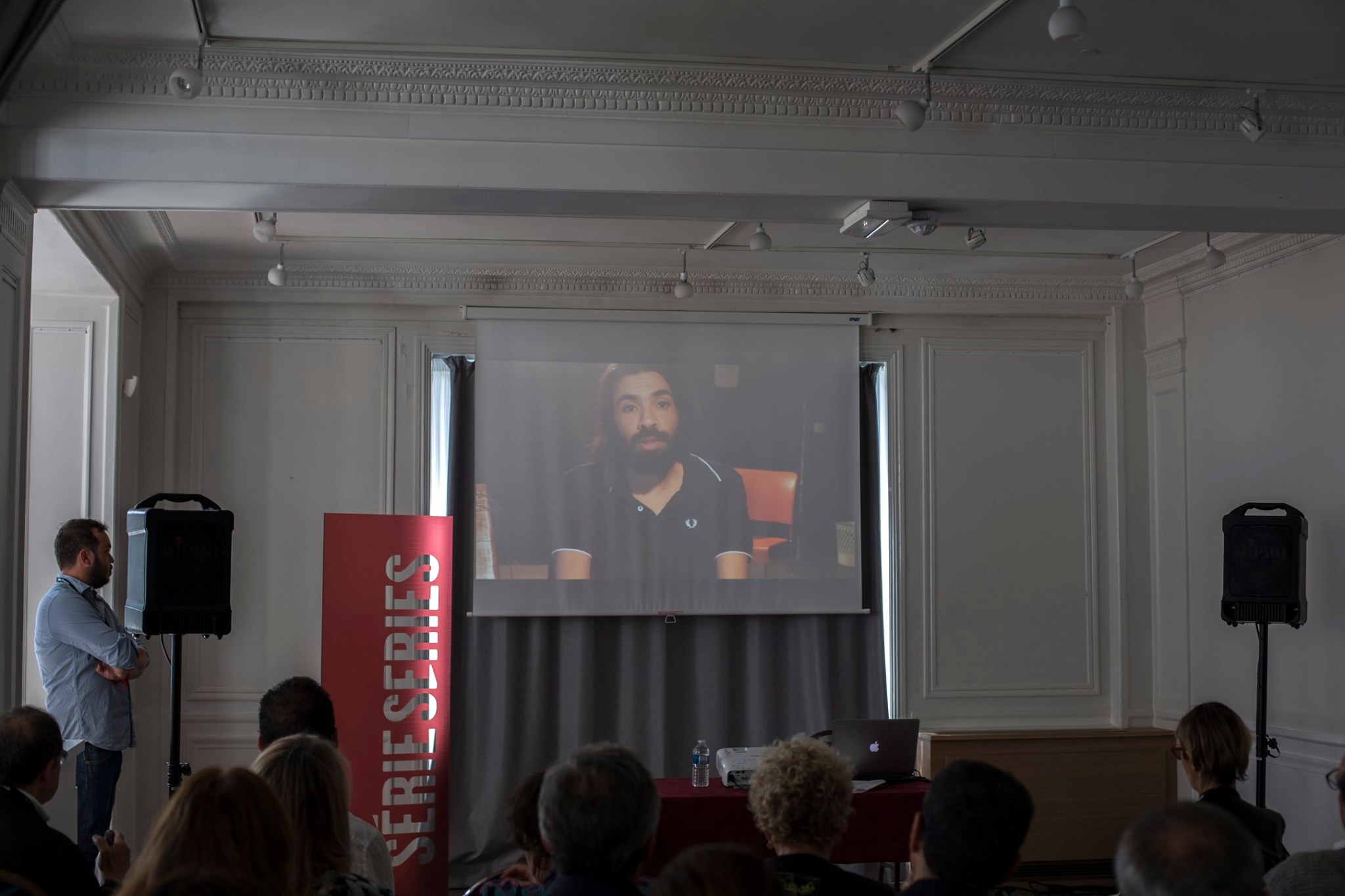
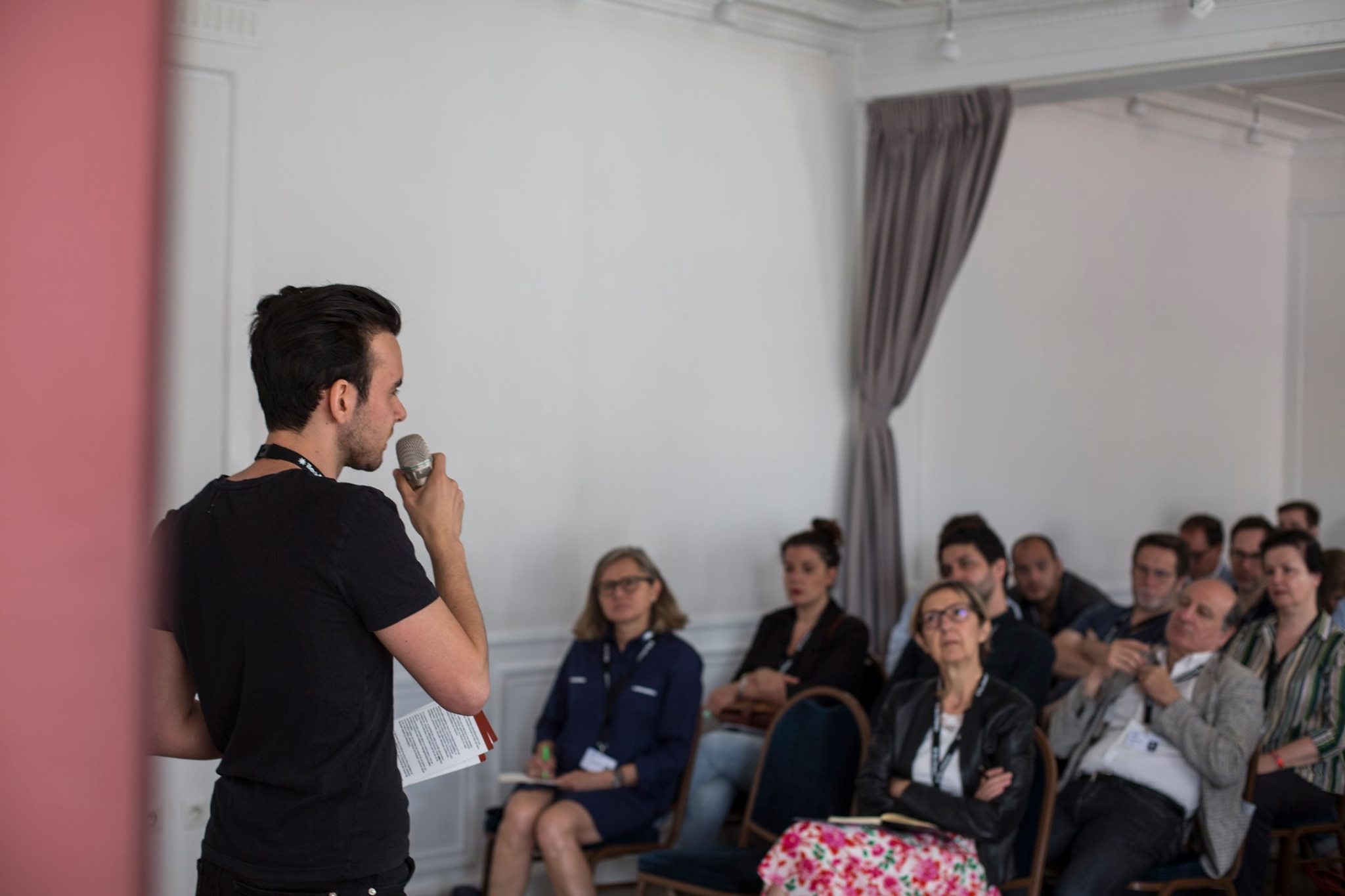
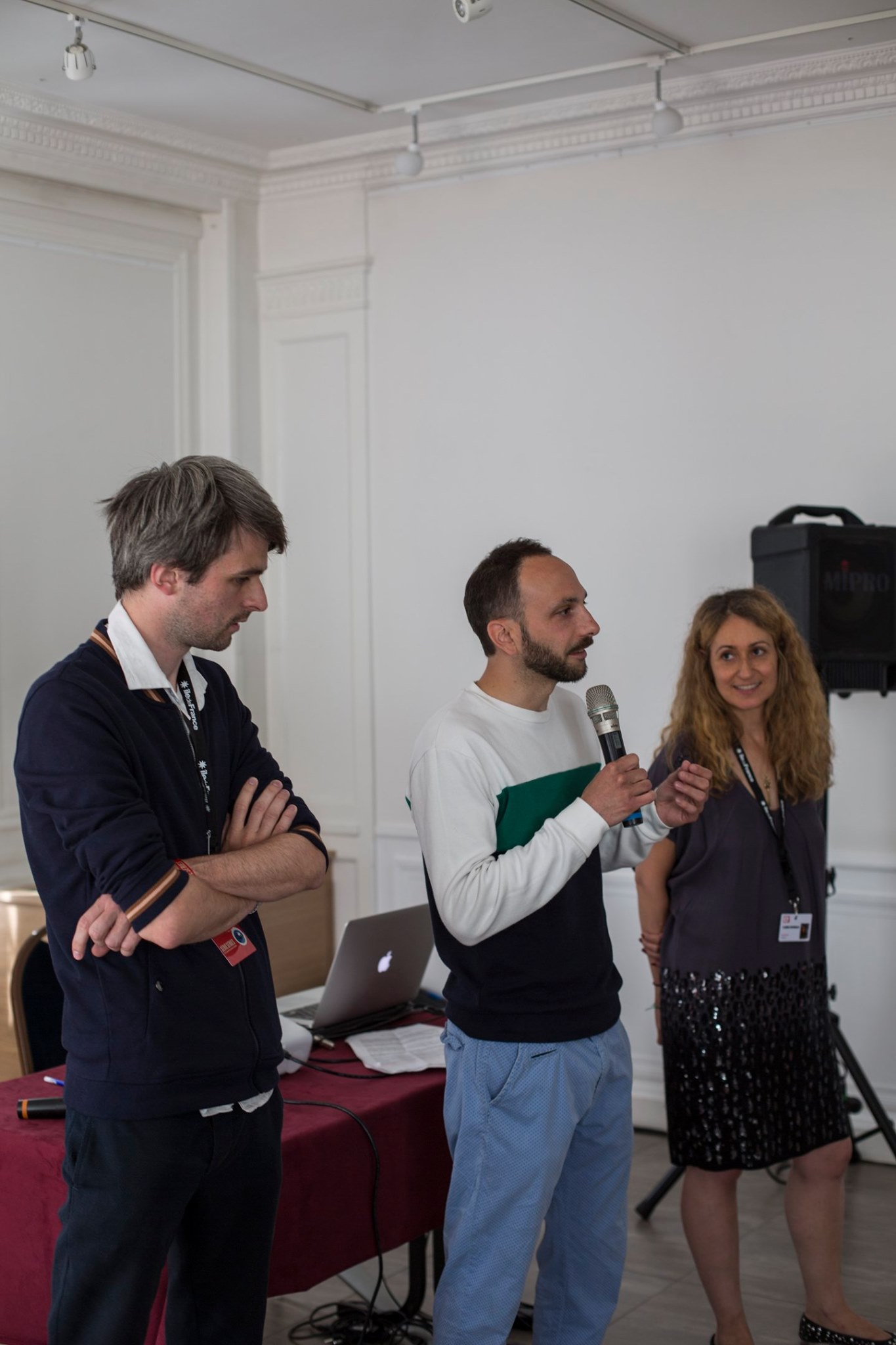
In addition, some meetings were held during the Journées Cinématographiques de Carthage, in Tunisia, and the Série Series Festival in Fontainebleau, France, where a pitch session was attended by a group of FIEST students and many professionals from the concerned sector. “A great experience that allowed students to learn the demanding exercise of pitching and to speak for five minutes in front of producers and broadcasters. A precious interaction to move forward to the more structured stage of the development of the pilot episode with a more relevant analysis of the areas for improvement on the one hand, and a perception more in line with the production constraints, on the other hand”(Anne Didier, deputy director of fiction of France Télévisions).

Finally, the training also included an online module, developed with UNINETTUNO Distance University. Ten theoretical video lessons, 12 TV series case studies from 5 countries (France, Italy, Lebanon, Morocco. Tunisia) and a MOOC were produced. After acquiring the necessary tools for the use of the e-learning platform, the students were able to exploit this didactic space, to follow the video courses, to complete their exercises. “Thanks to the FIEST project,
new video lessons and new didactic contents on TV series have been created with the precious contribution of all project partners.
Through the preparation of the trainers and the distance learning activities of the students, a real community of students and teachers worked together in the UNINETTUNO online learning spaces, thus overcoming geographical barriers and bringing together different Mediterranean cultures” (Nicola Paravati, head of international affairs at UNINETTUNO).