

Audiovisual media & societies: memorable achievements and future challenges
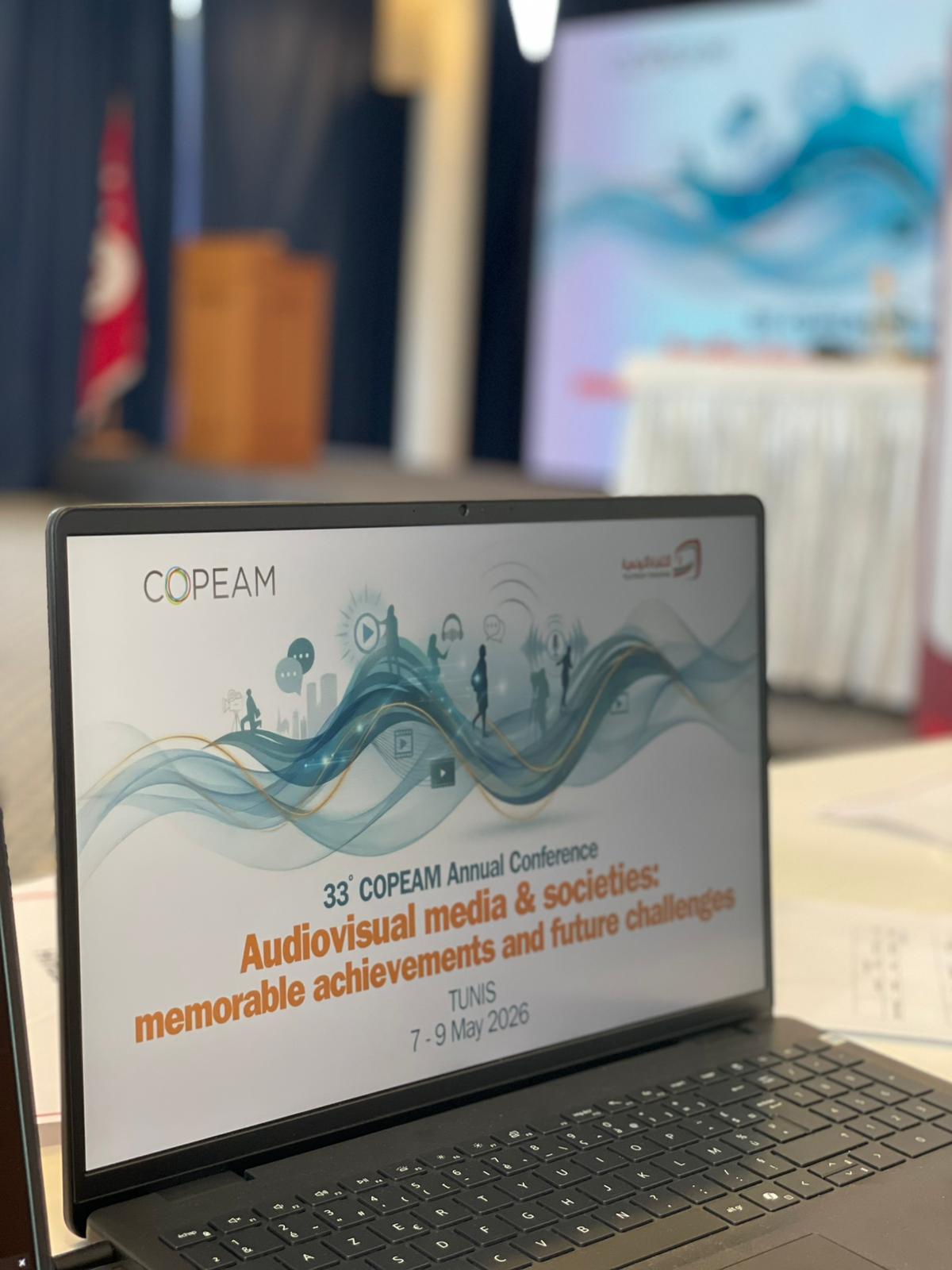
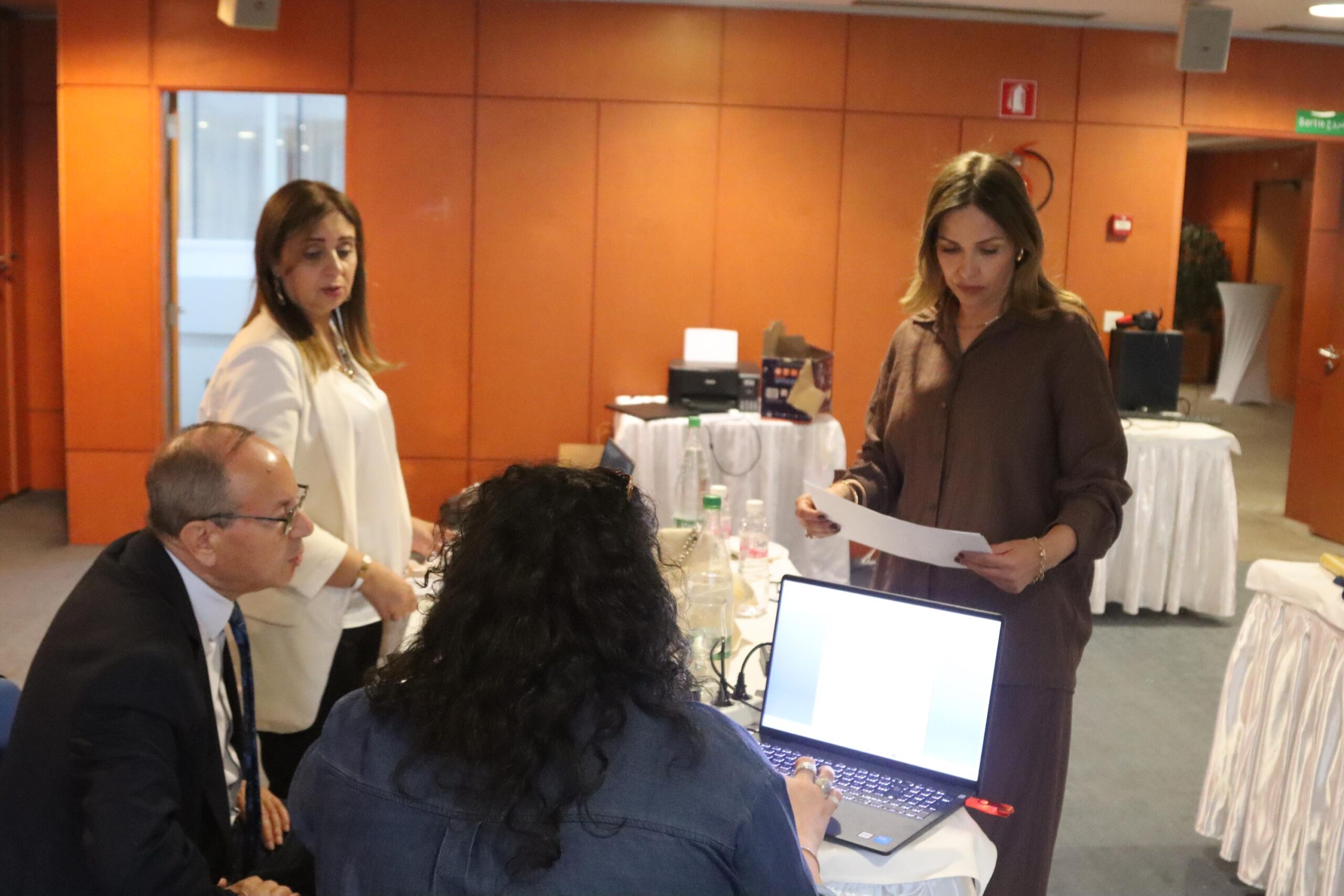
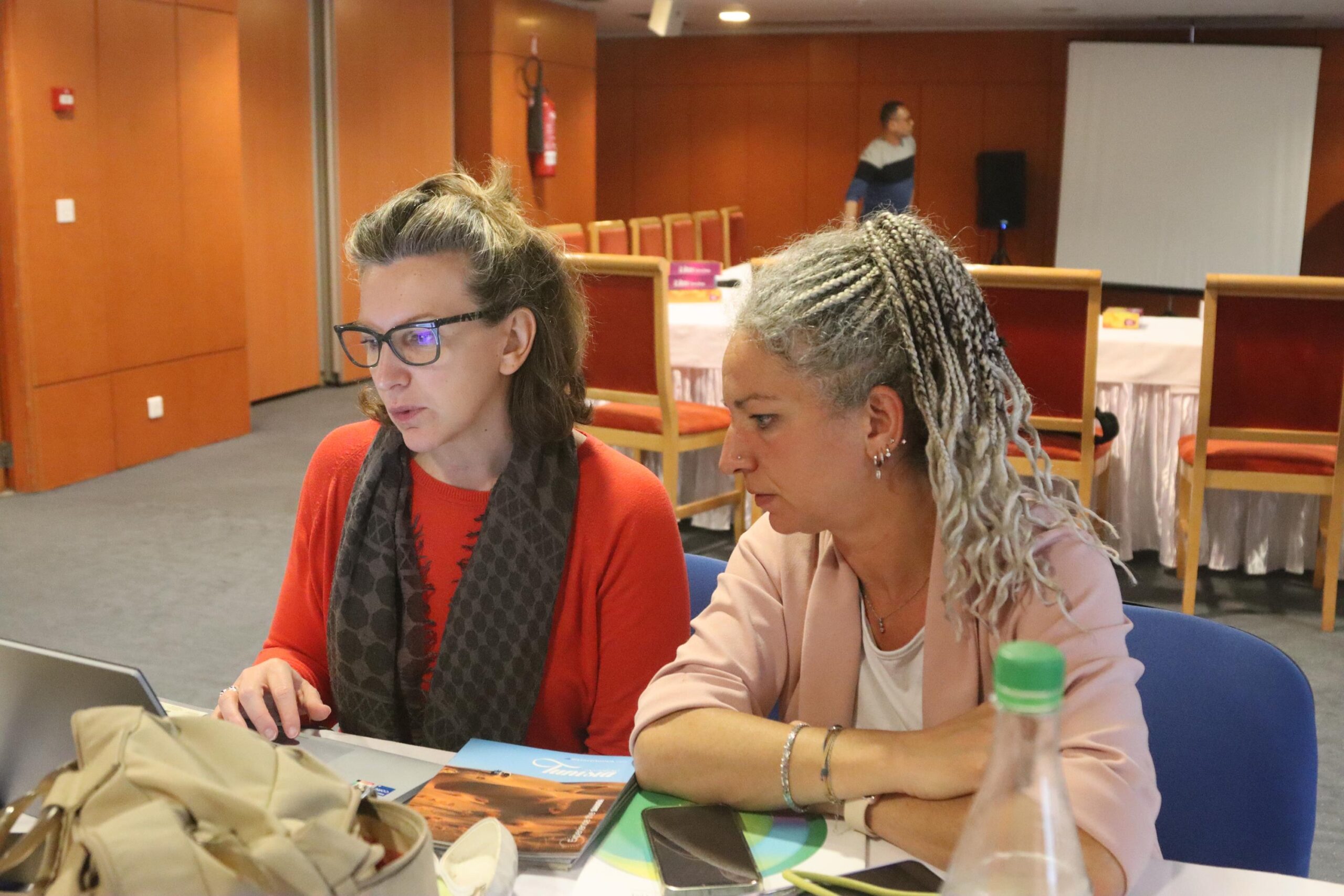
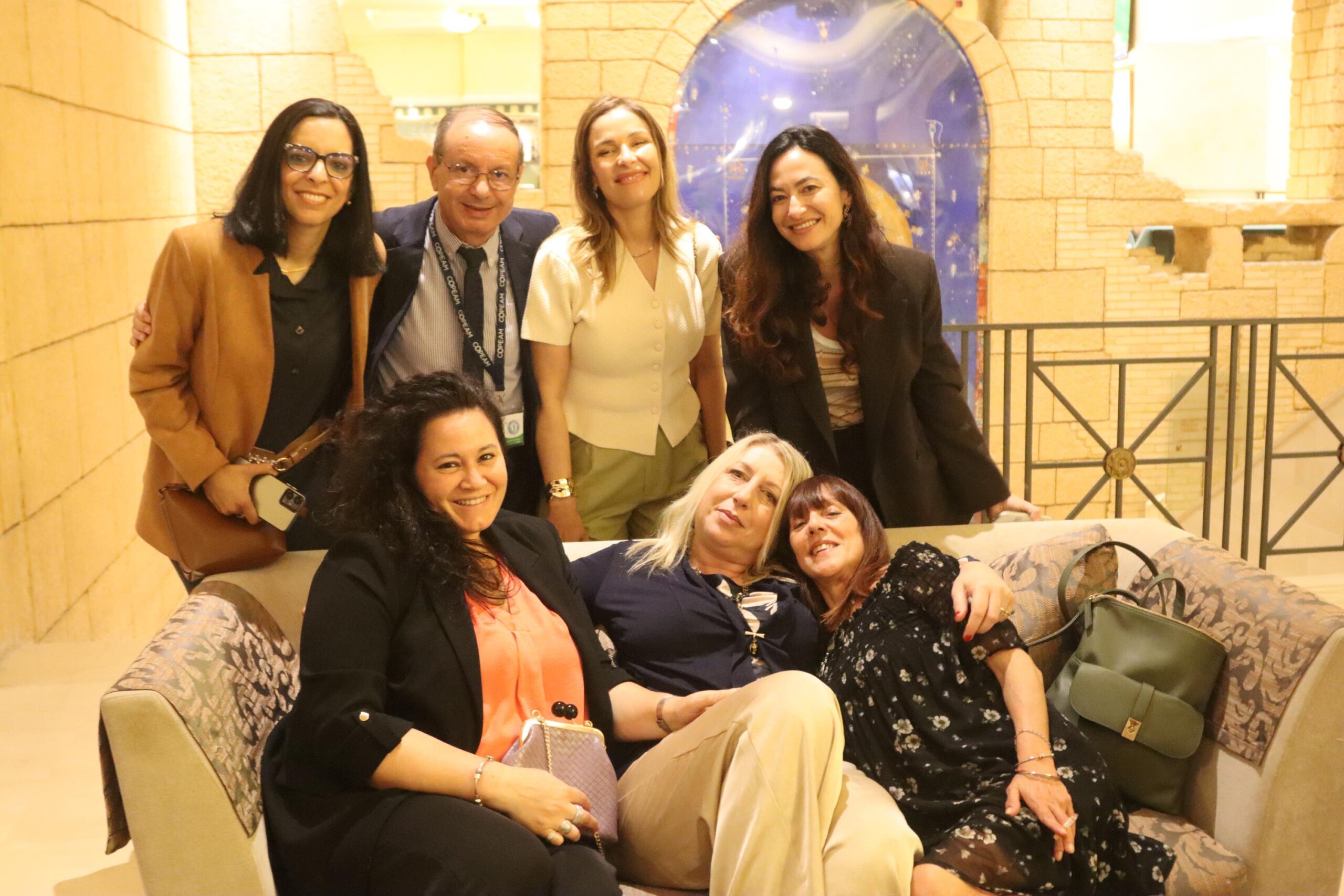
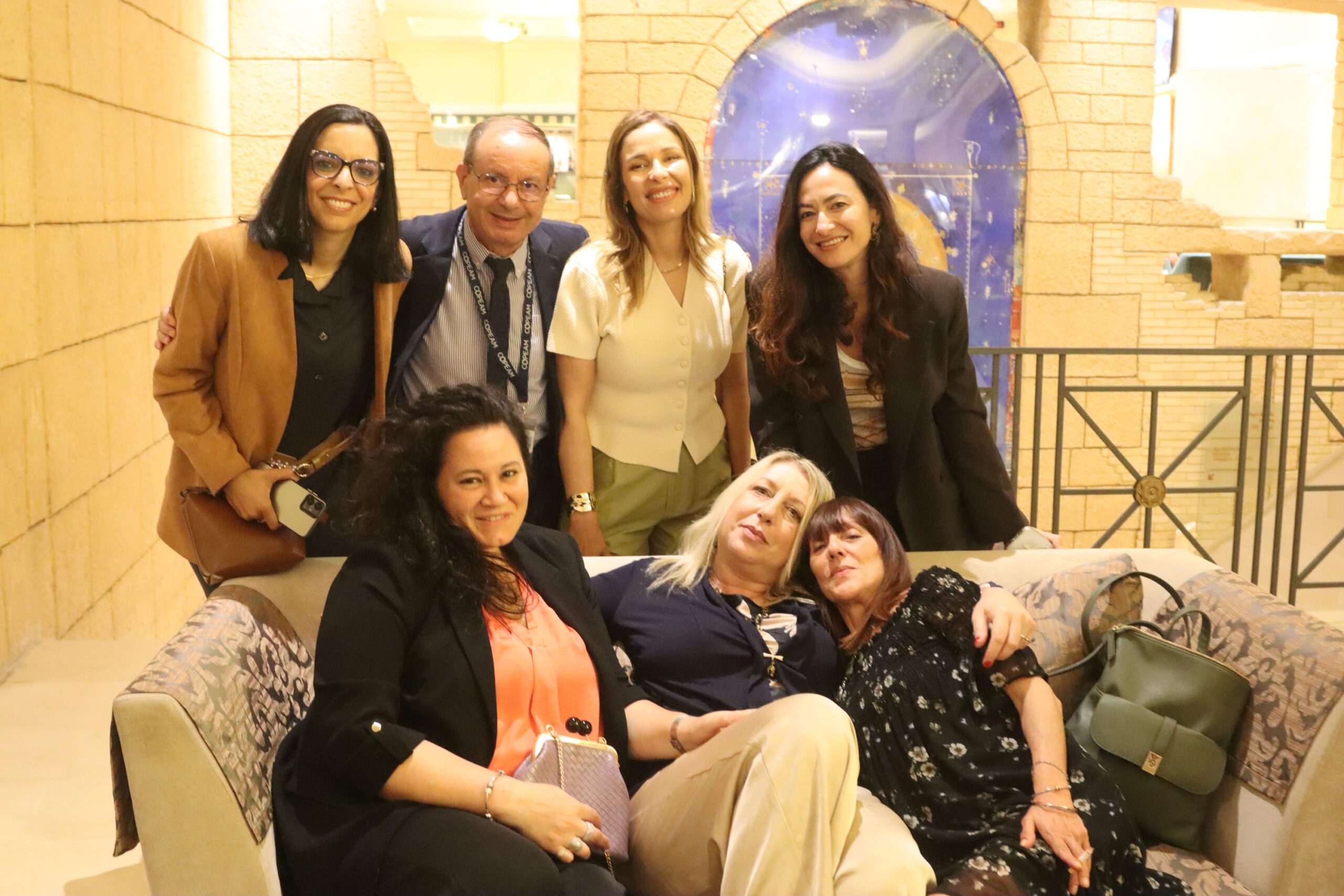
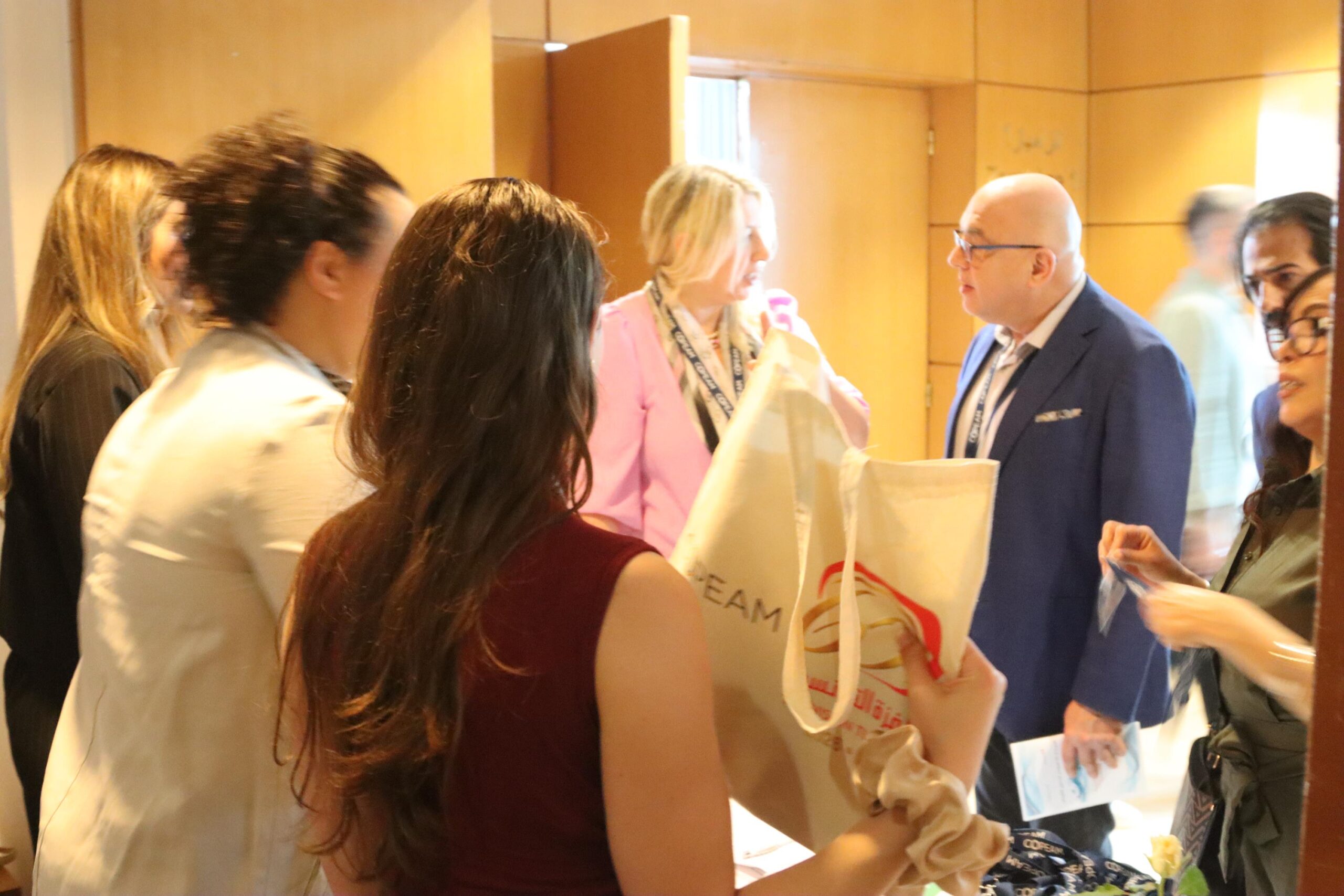
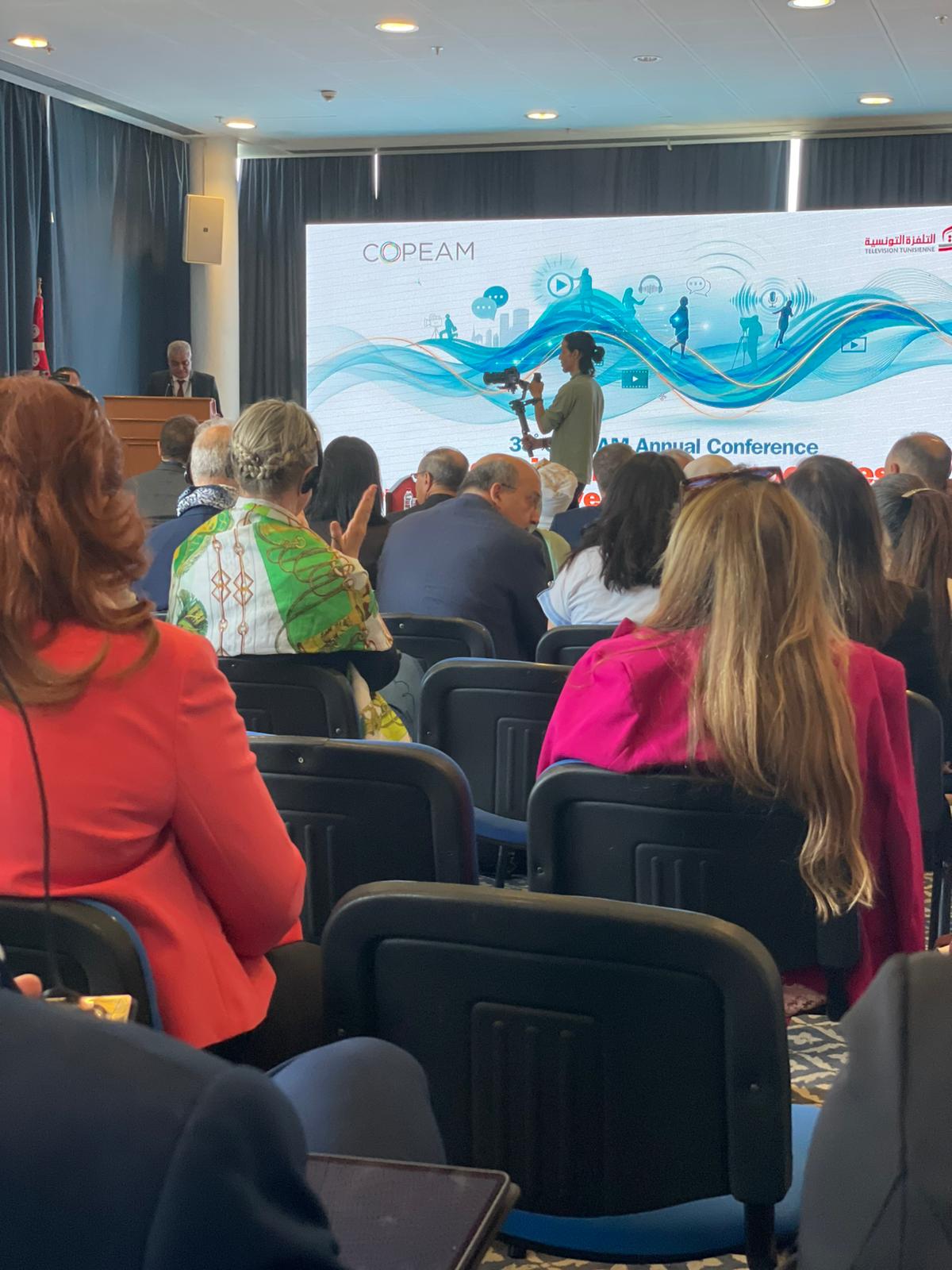
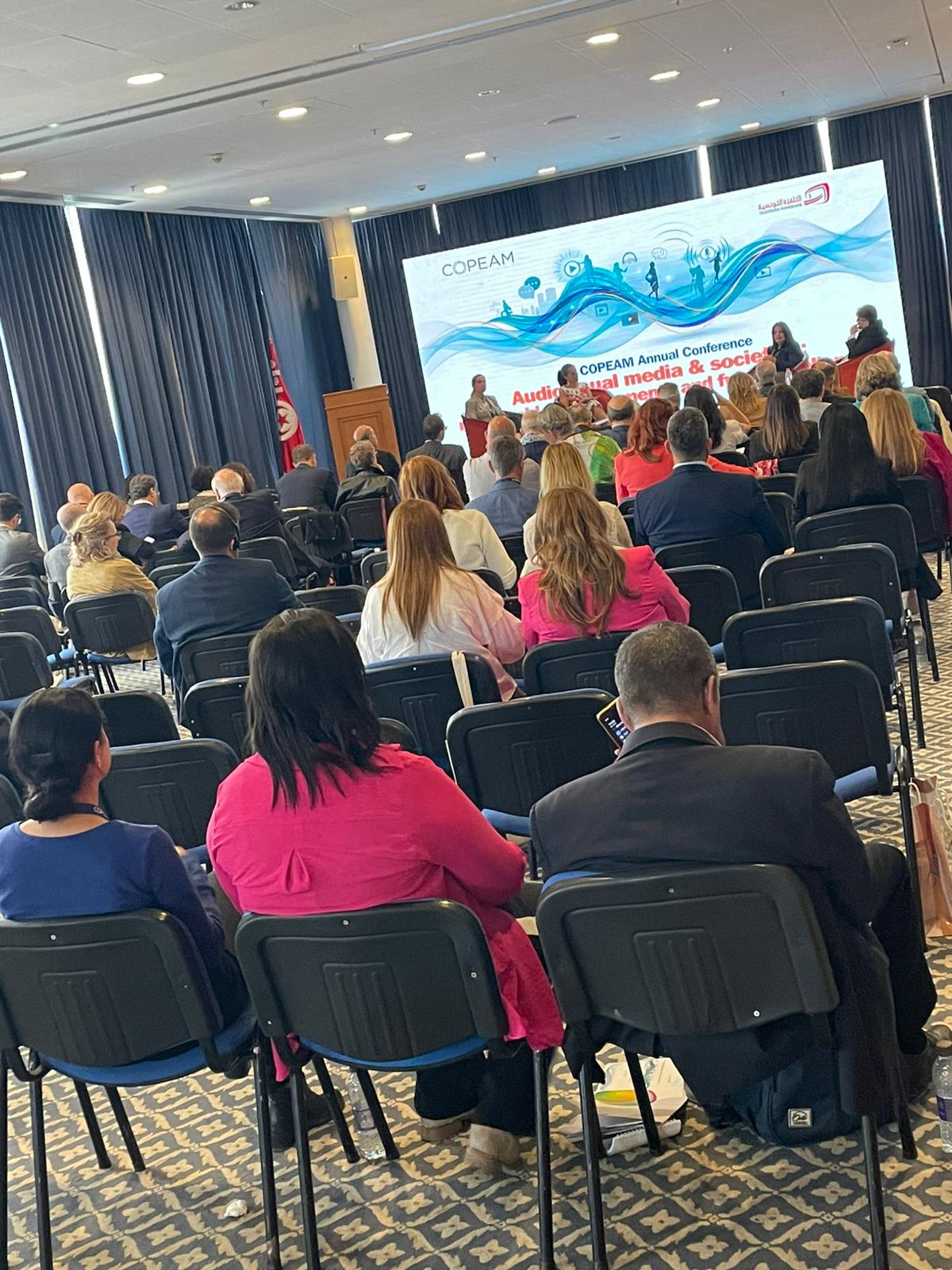
The 33rd COPEAM annual Conference was held in Tunis on 8 May 2026 at the Africa El Mouradi Hotel, hosted by Télévision Tunisienne.
Each year, the Conference brings together, in a different country of the Mediterranean region, high-level representatives from the media and cultural sectors, as well as from local and international institutions, to debate a topic of regional interest.
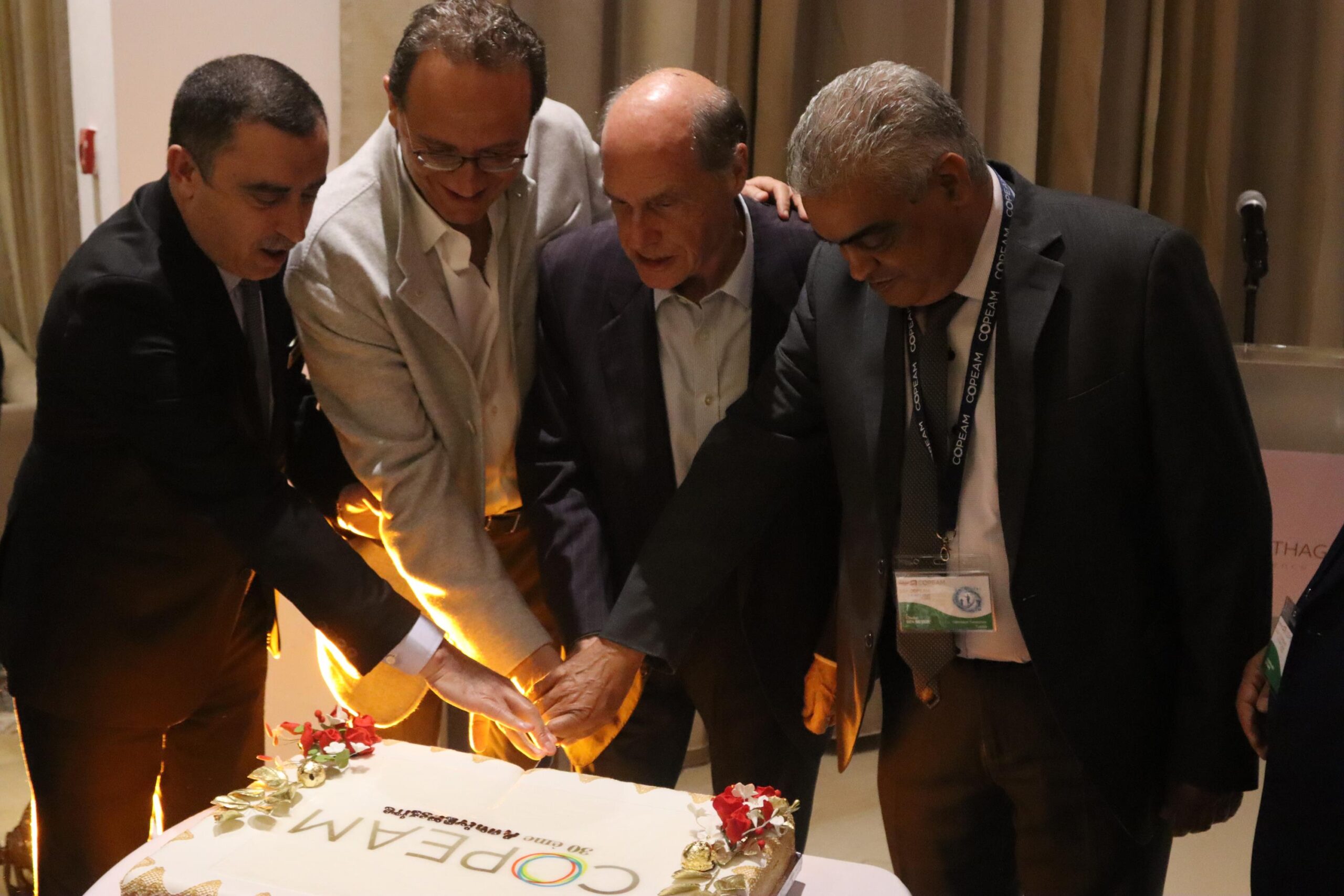
In 2026 — a year coinciding with the 60th anniversary of the public television in Tunisia and the 30th anniversary of COPEAM — this event was dedicated to the historical contribution of audiovisual media to the development of Mediterranean societies, as well as to the challenges ahead, under the chosen theme: “Media and societies: memorable achievements and future challenges”.
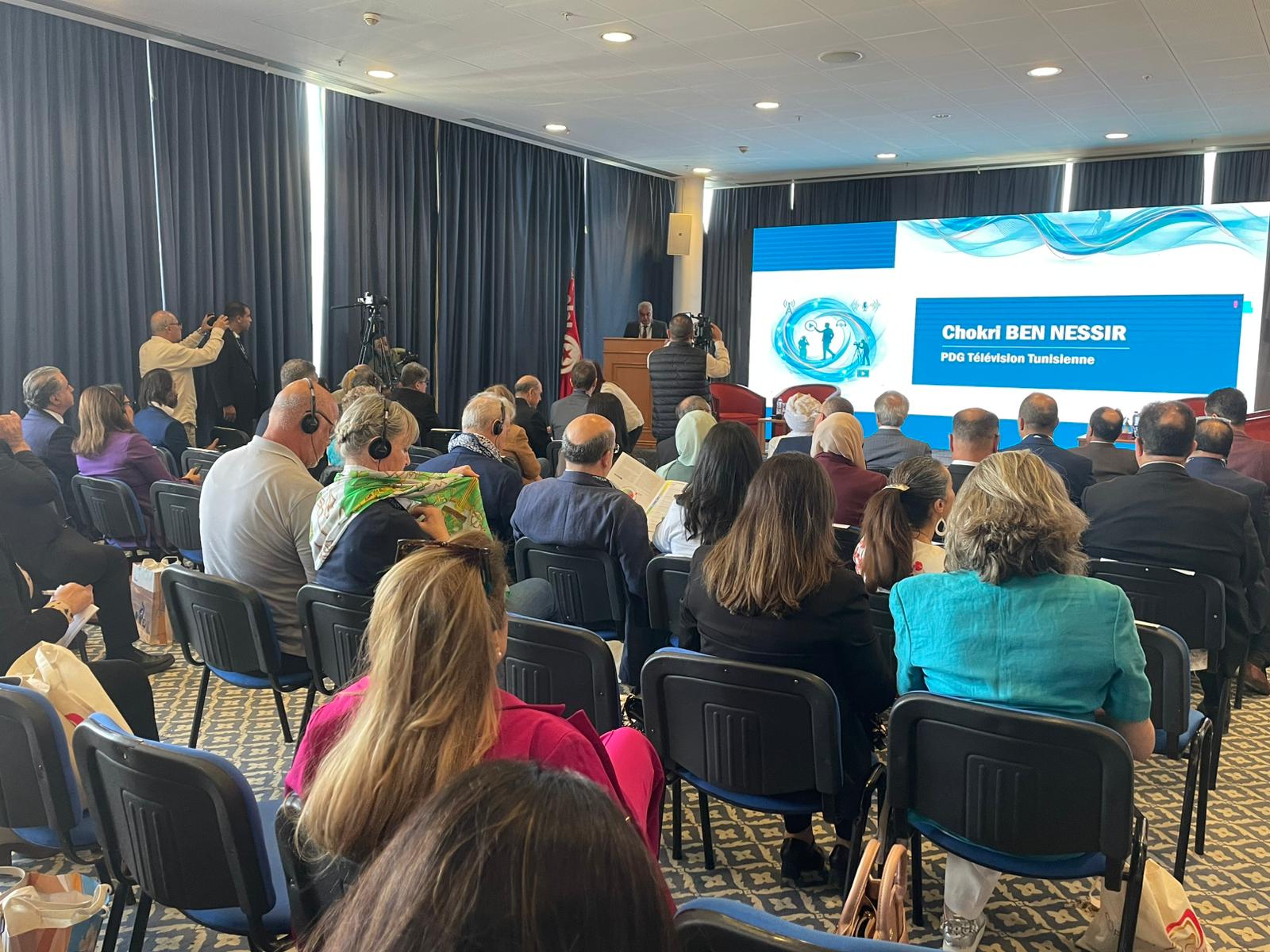
Opening Ceremony
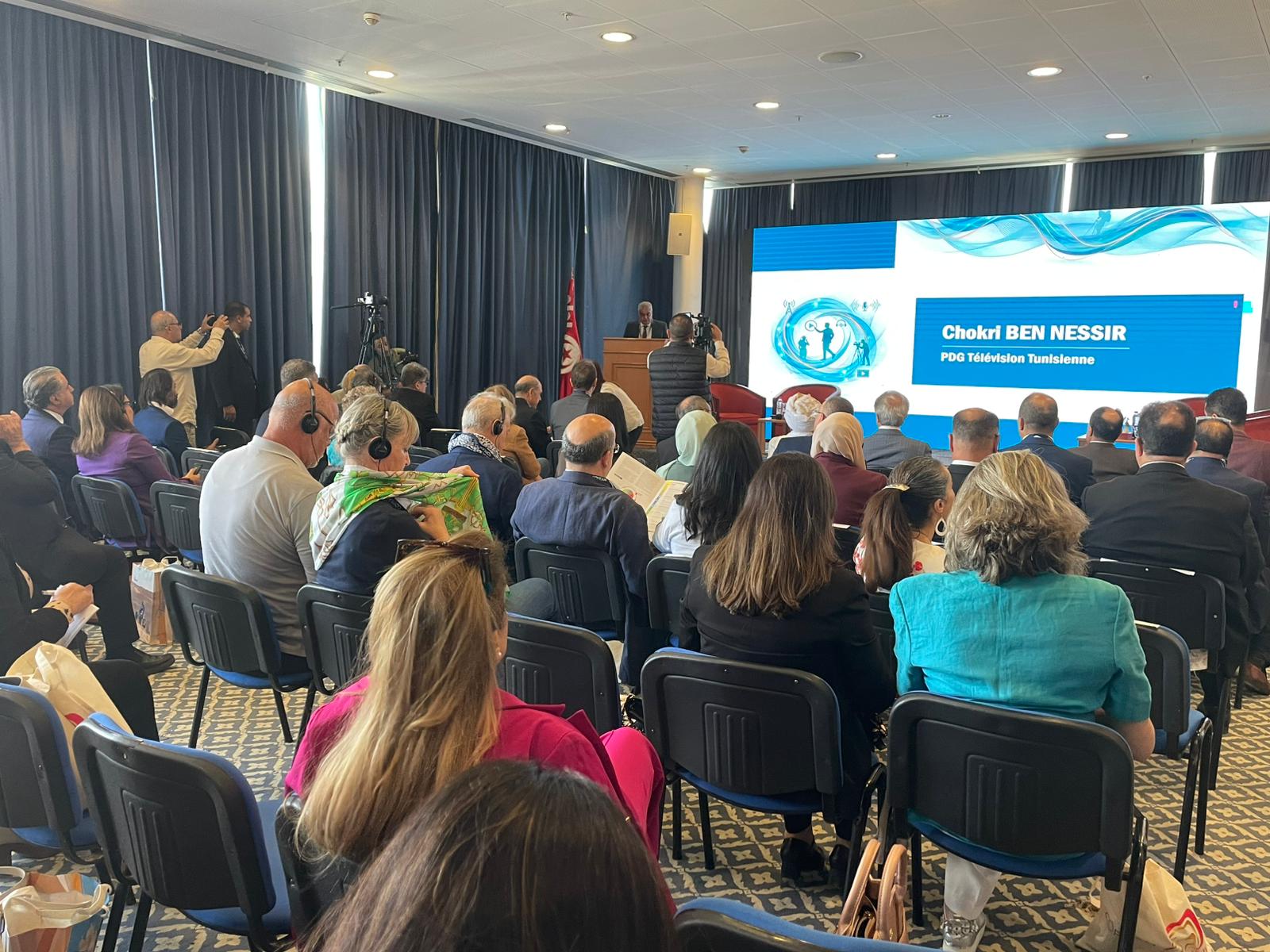
The event, attended by 120 participants from across the Mediterranean region, opened with the welcome speeches by Chokri Ben Nessir, President and CEO of Tunisian Television, and Claudio Cappon, Secretary General of COPEAM.
Mr Cappon emphasized the crucial importance of media in informing citizens, as well as the technological challenges they face in a world marked by pervasive and constantly evolving innovations. Public audiovisual media have the duty to renew themselves and adapt in order to continue fulfilling their public service mission.
For his part, Mr Ben Nessir warmly welcomed all the attendees in Tunisia and highlighted the power of media as important pillars of communication for the preservation of society. “Media have the power to ease tensions, promote dialogue and cooperation,” he stressed.
Keynote Speech
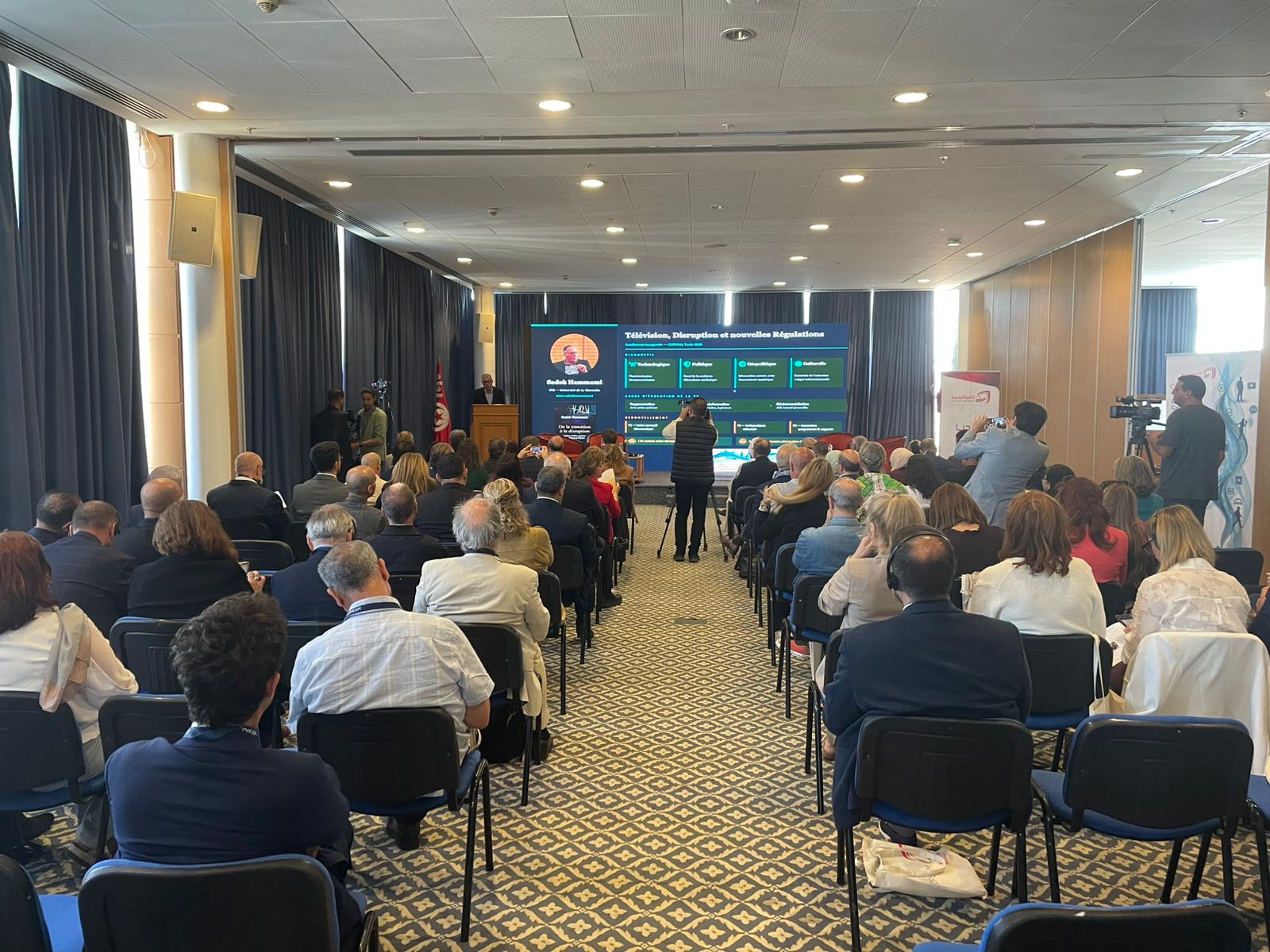
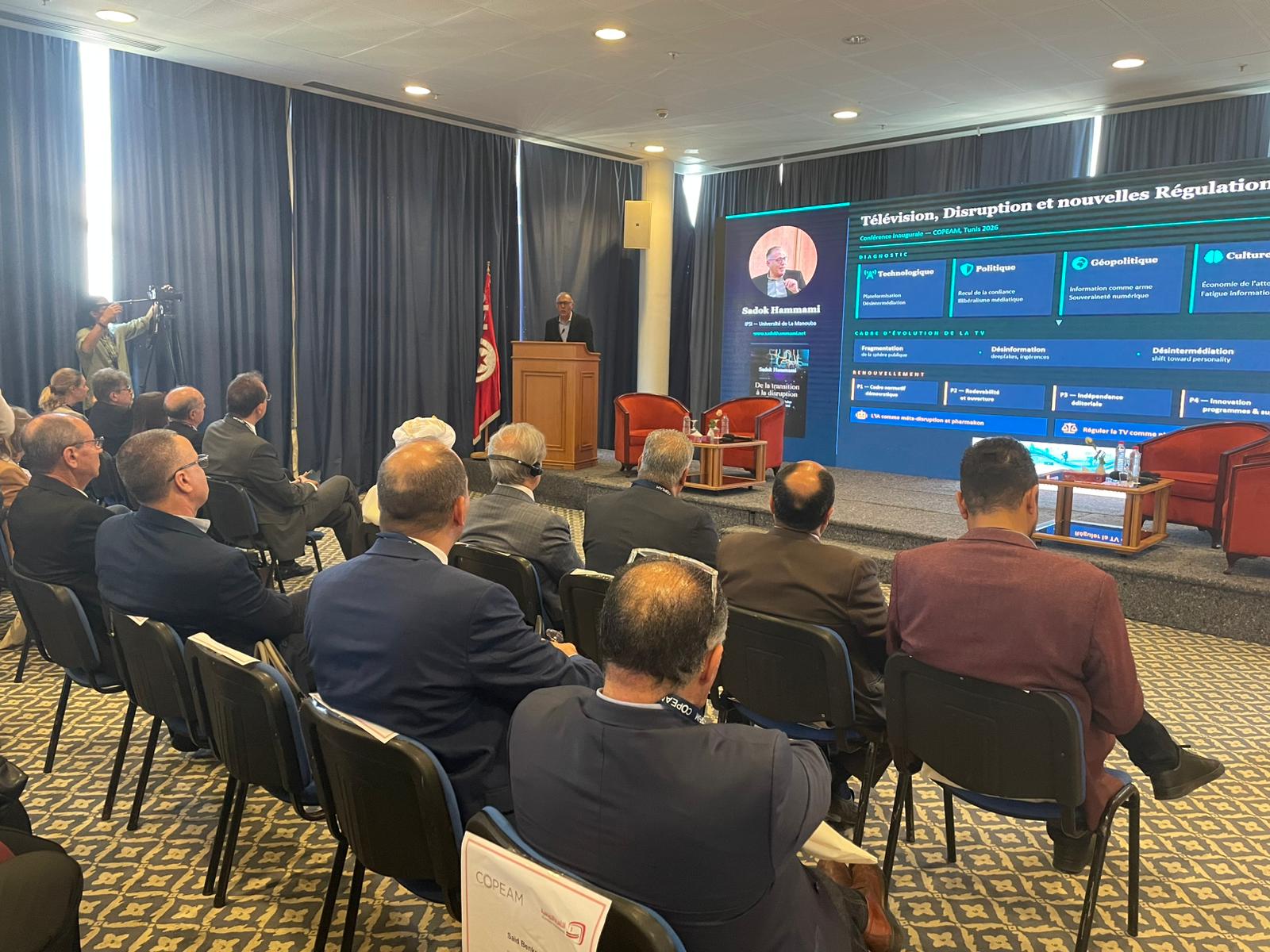
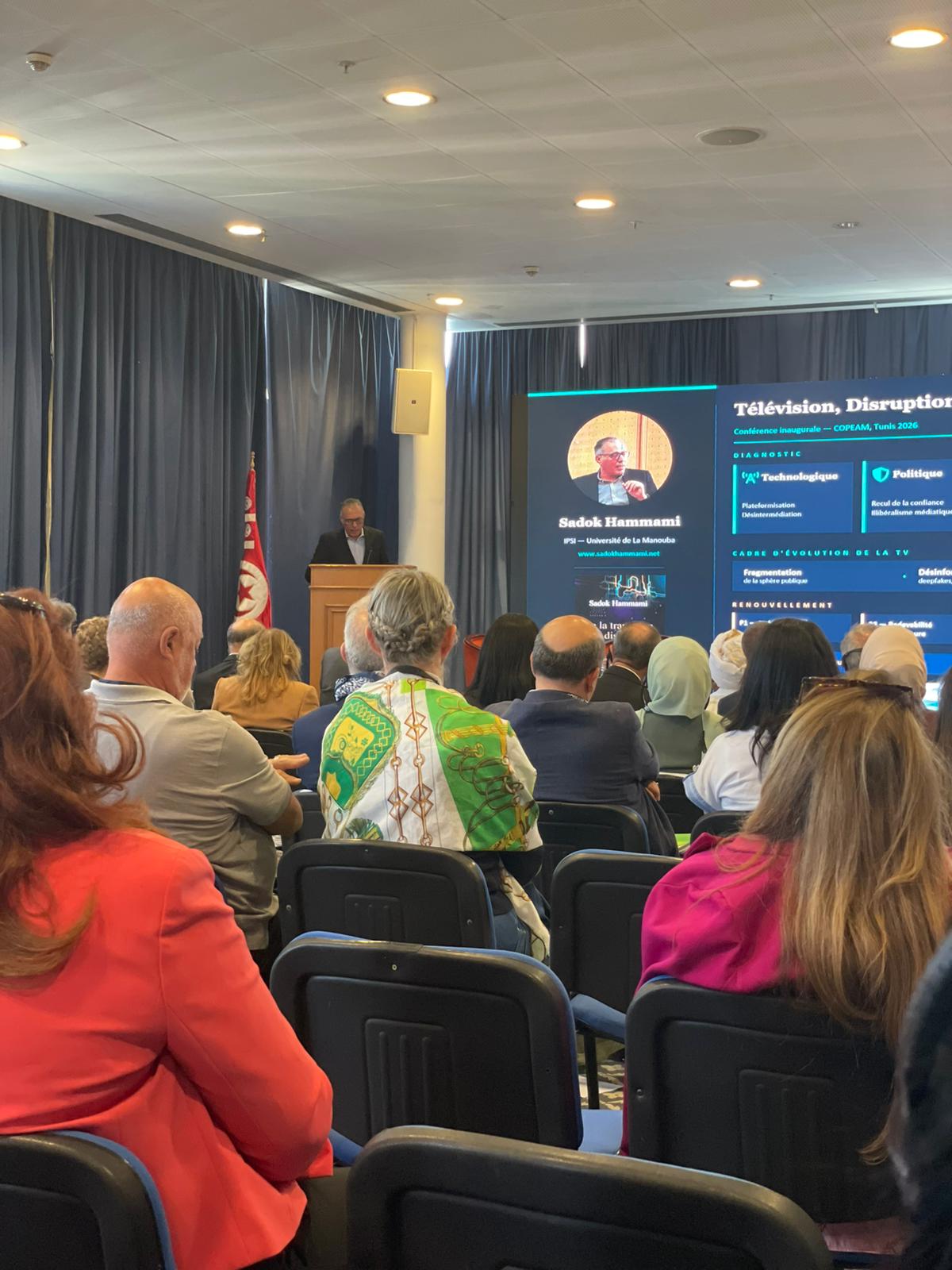
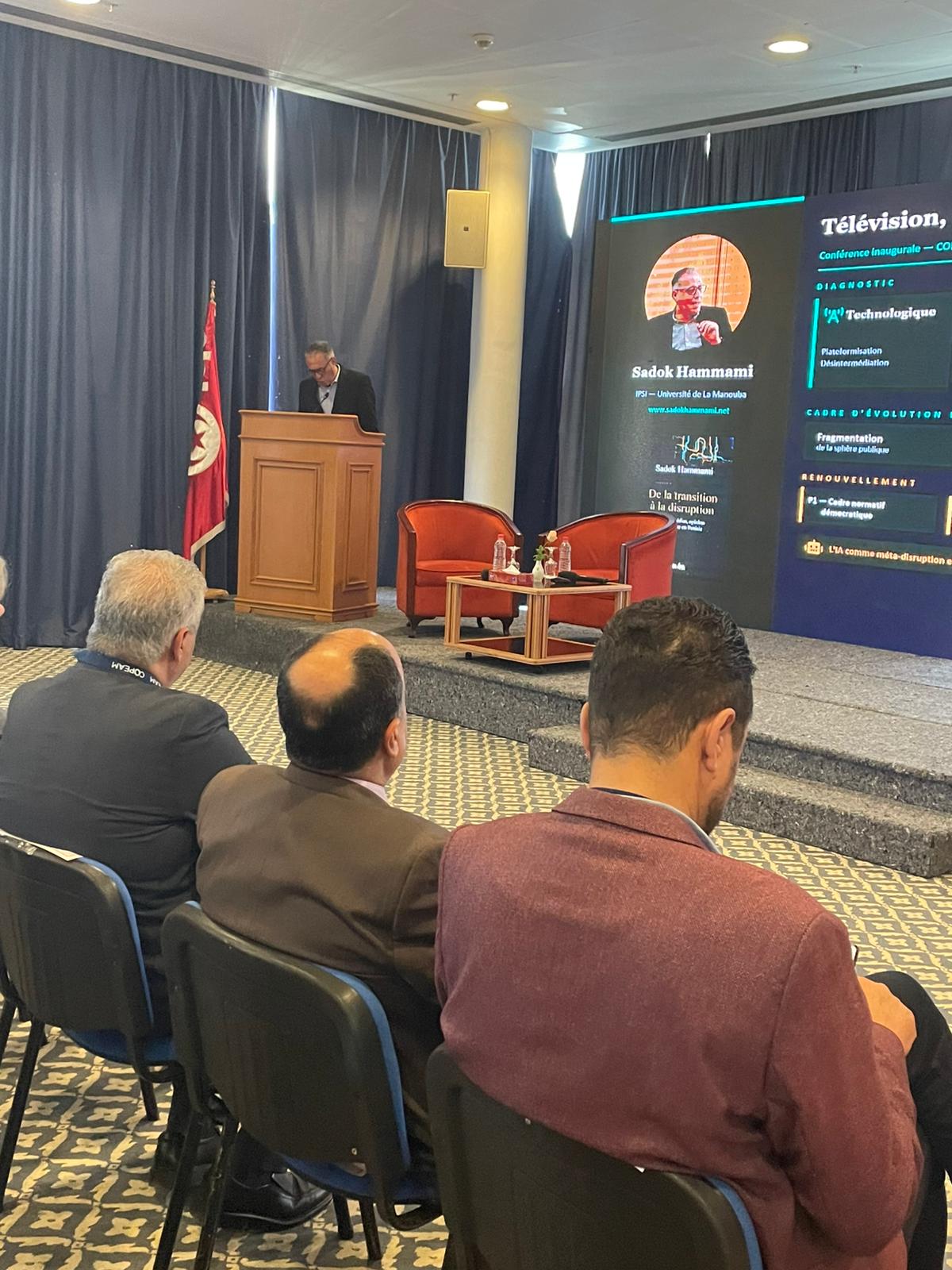
Sadok Hammami – Director of IPSI, Institute of Press and Information Sciences, University of Manouba – Tunisia
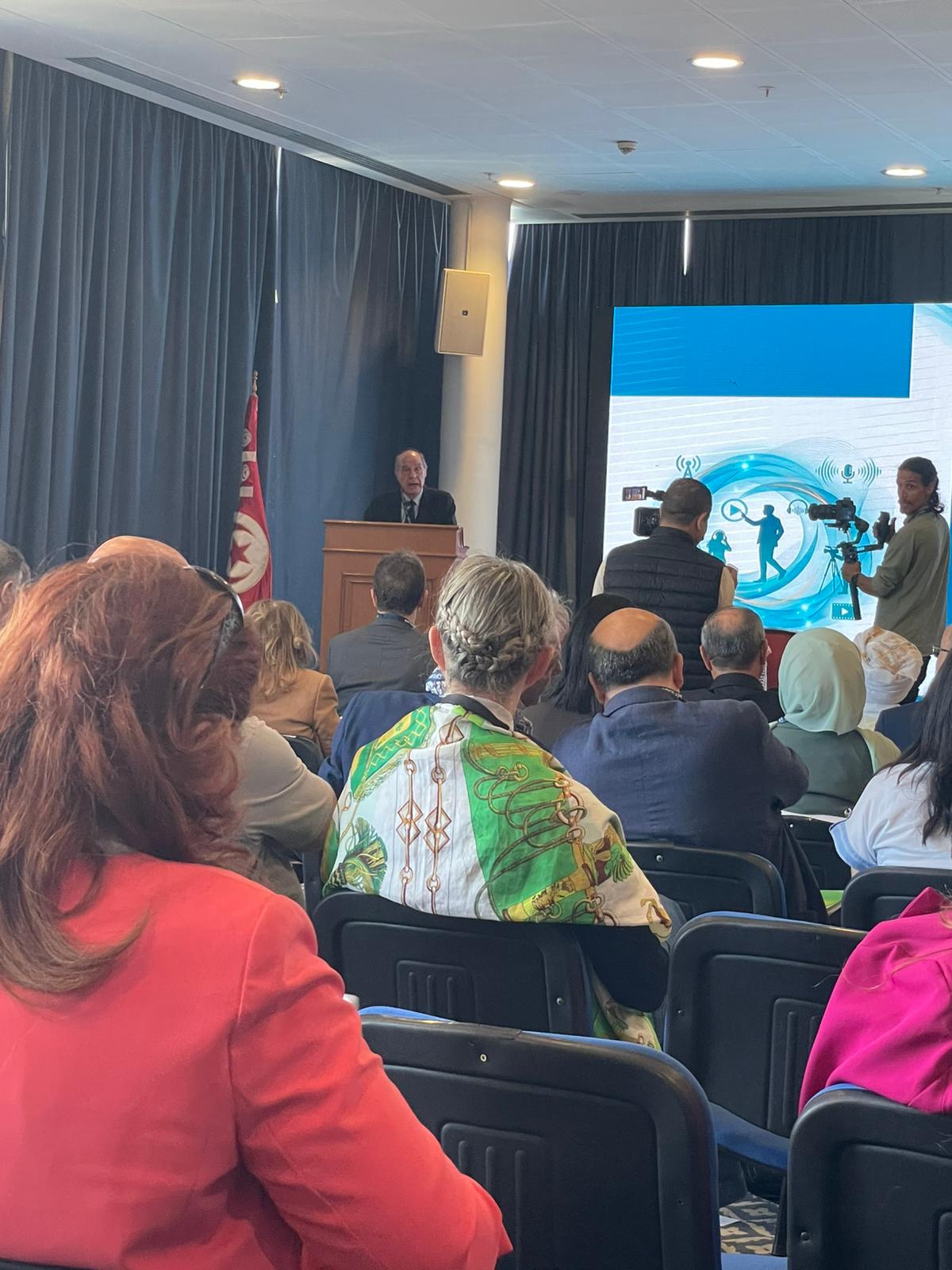
In his extensive keynote address, Mr Hammami underlined the essential role of audiovisual media in the development of Mediterranean societies, pointing out, in particular, the need for democratic regulation, self-regulation of journalistic work, and strengthened dialogue with audiences, especially younger generations born in the digital era.
The professor also emphasized the challenges related to artificial intelligence, both as an opportunity for development in production and audience interaction, and as a major issue for protecting content and preserving the democratic missions of audiovisual media.

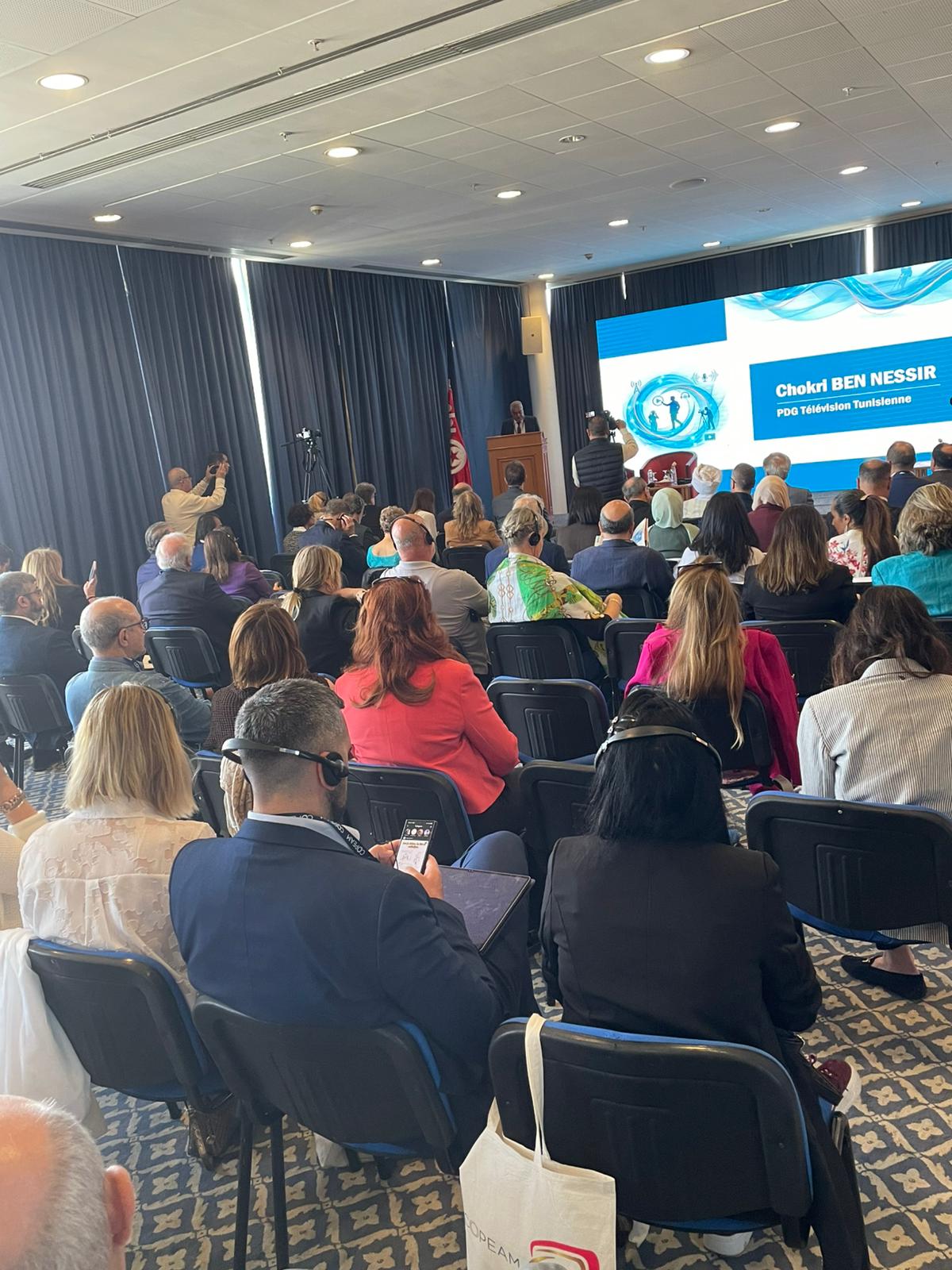
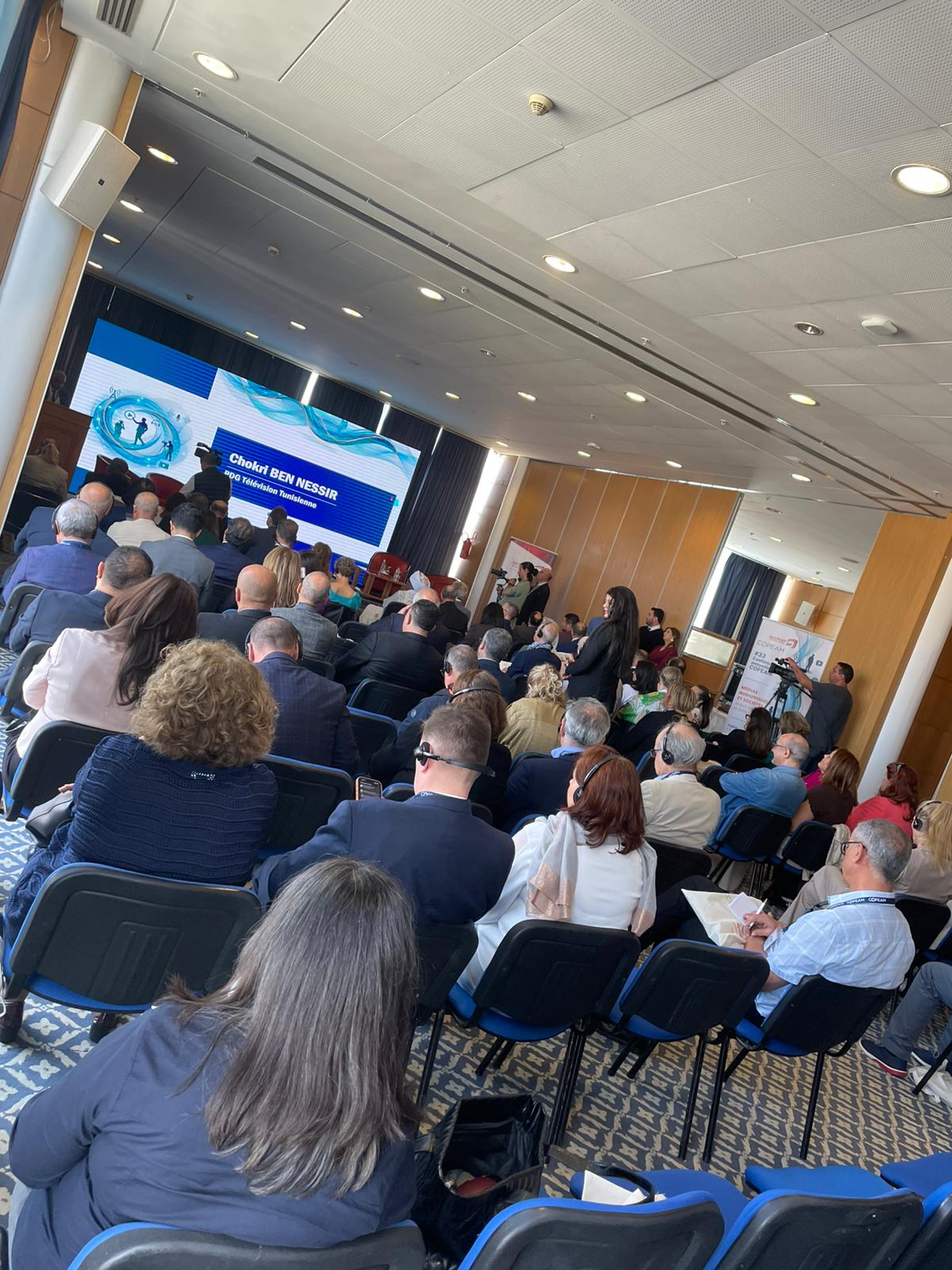
Panel
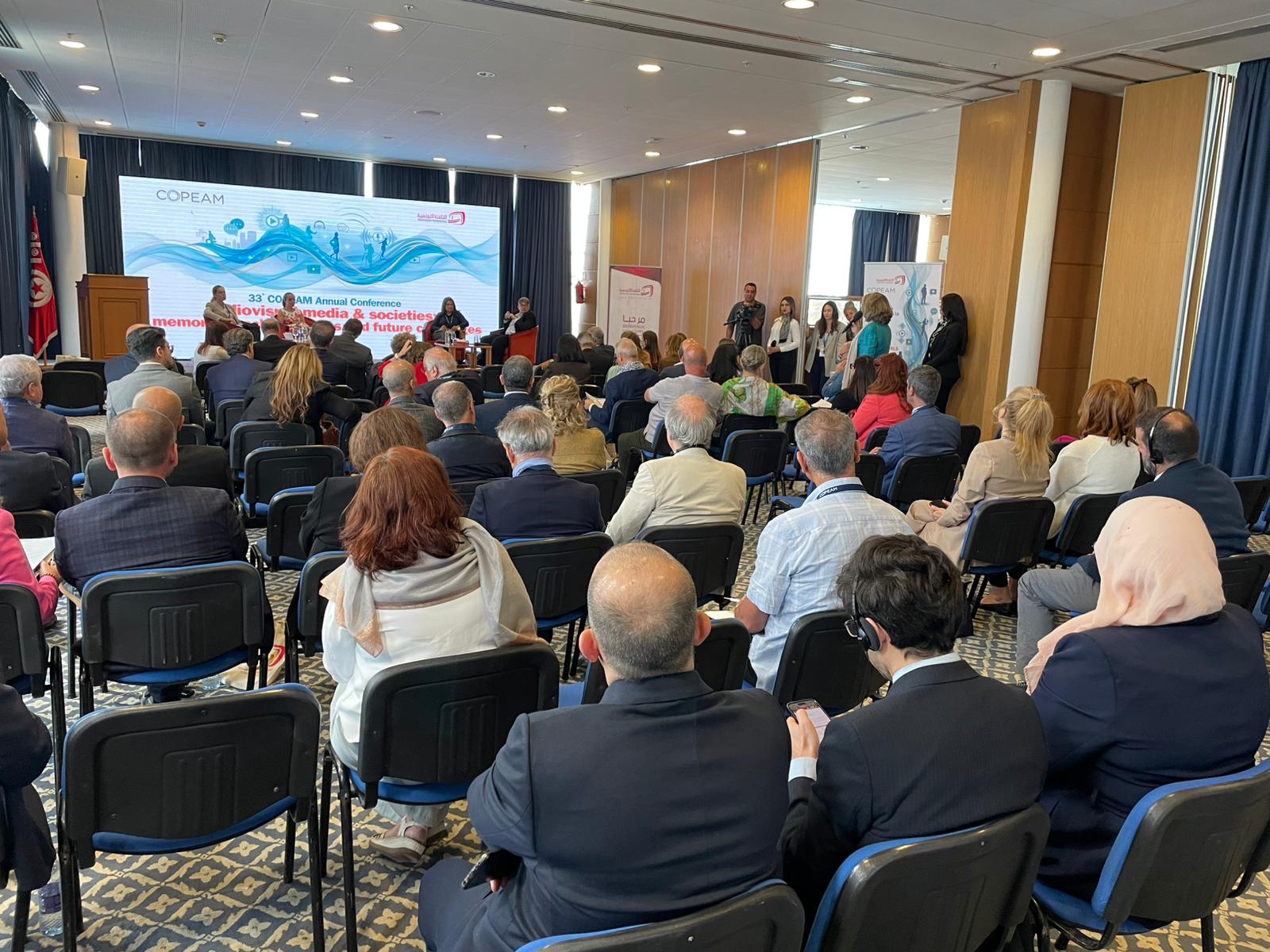
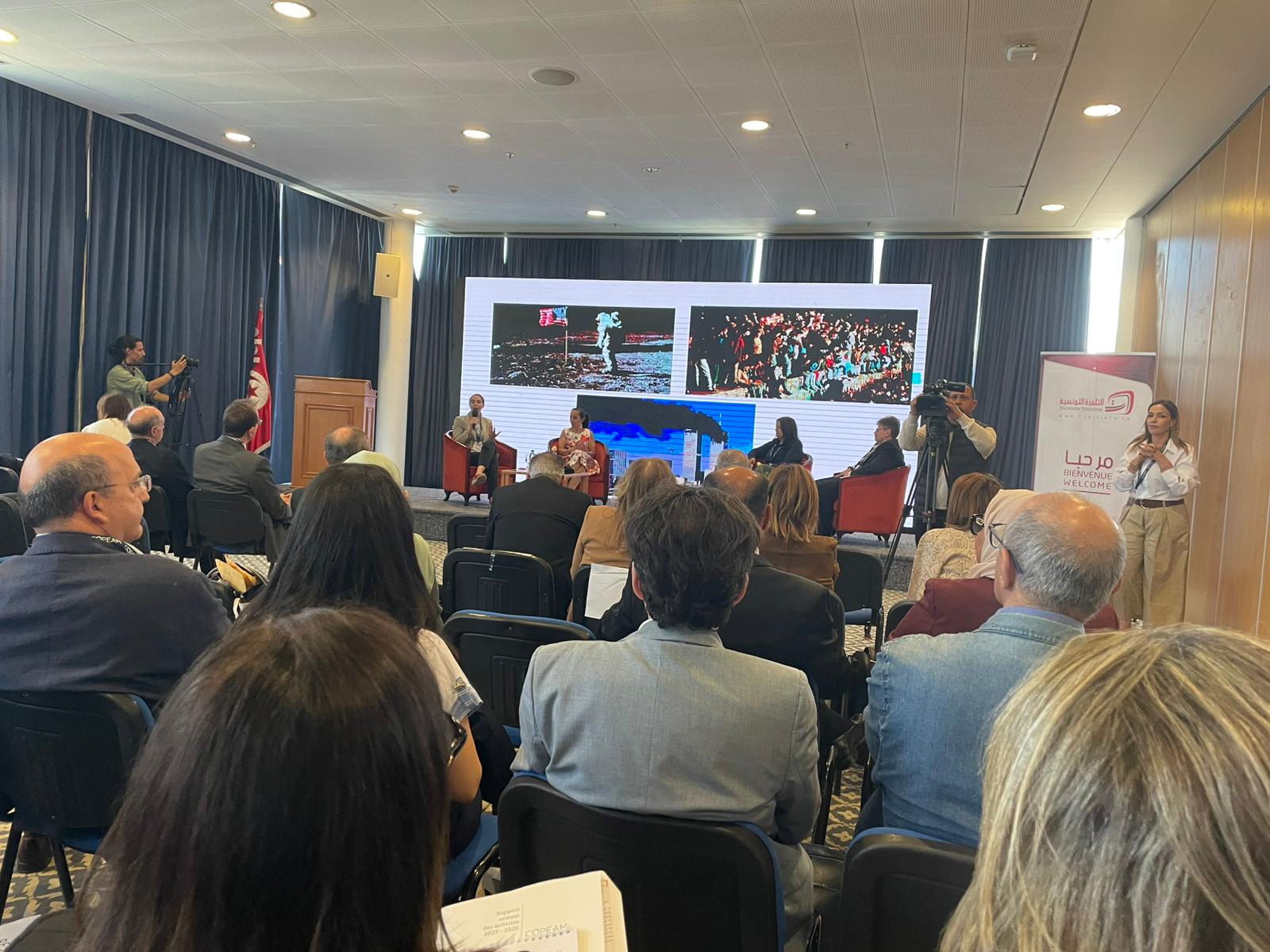
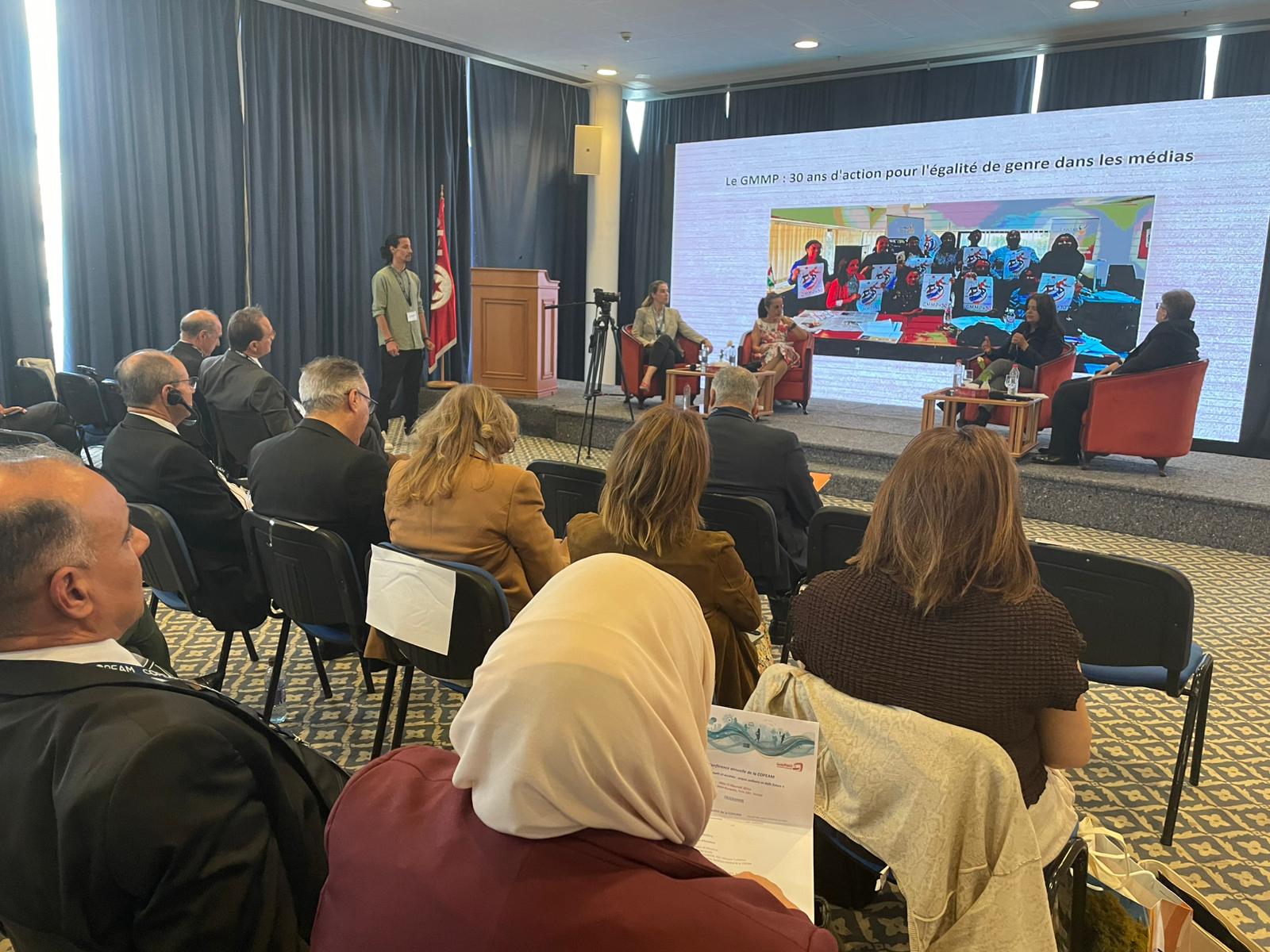
The main panel consisted of three experts, each addressing the central theme from different angles: Aurélie Aubert, Professor of Information and Communication Sciences at Sorbonne Nouvelle University (France); Firas Al-Atraqchi, journalist and editor-in-chief of The Cairo Review of Global Affairs (Egypt), the quarterly journal of the School of Global Affairs and Public Policy (GAPP); and Lobna Najjar, Project Coordinator at the Arab Women Center for Training and Research (CAWTAR) and national coordinator for the Global Media Monitoring Project (GMMP) in Tunisia.
The round table was moderated by Amel Chahed, journalist and producer at Télévision Tunisienne.
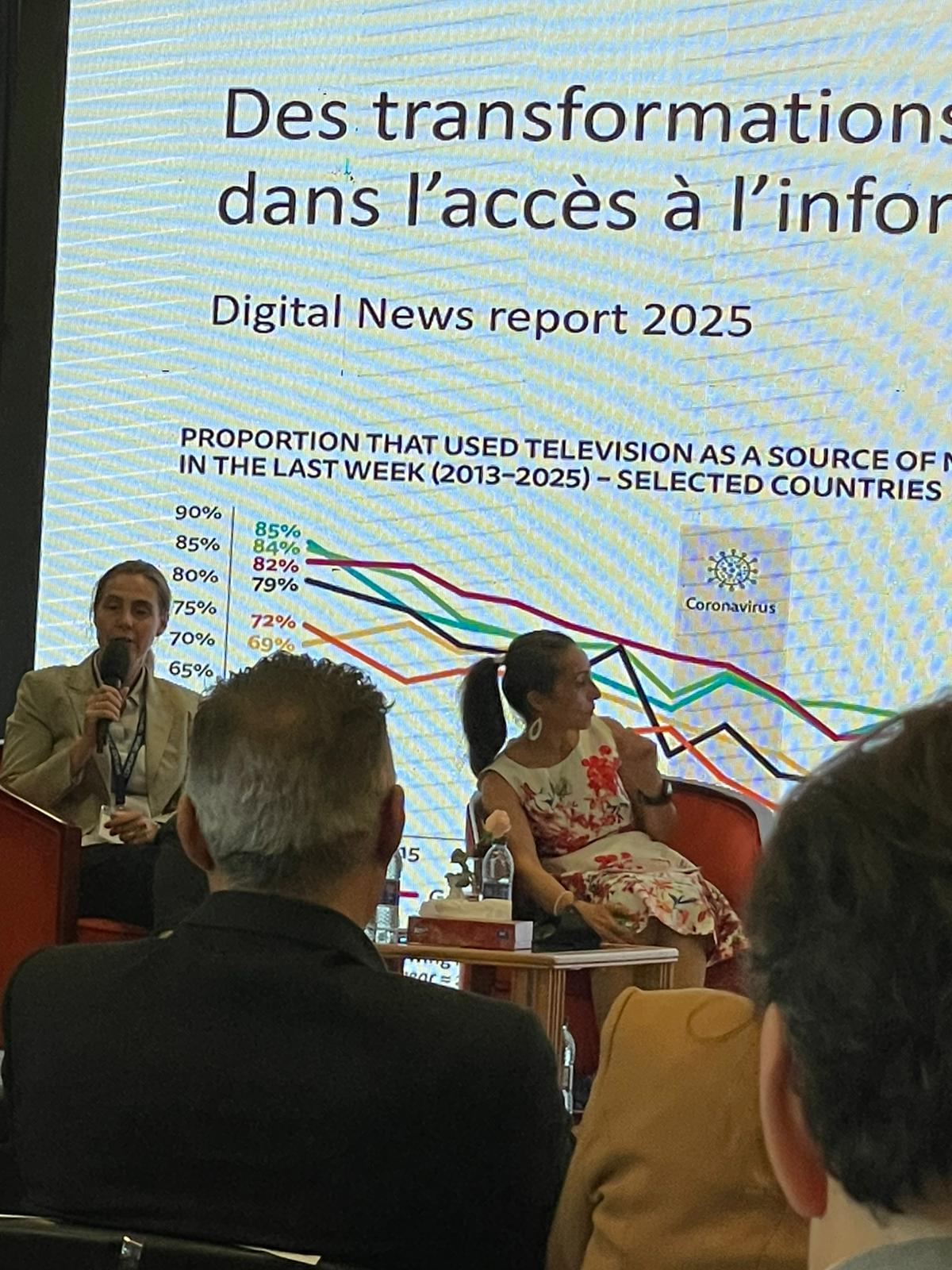
Based on her research on the platformization of information, Aurélie Aubert placed media history in perspective with contemporary transformations. She questioned the current role of media in our societies and the changes they must undergo in order to remain attractive and continue to be considered a reliable reference in an increasingly saturated information ecosystem. The researcher also drew attention on media’s historical achievements and on how social networks and artificial intelligence are reshaping the media landscape.
Firas Al-Atraqchi focused on the important issue of misinformation and the urgent need for more effective media literacy education. This need applies to audiences — particularly younger generations for whom influencers and TikTok often become sources of information — but also to media professionals themselves.
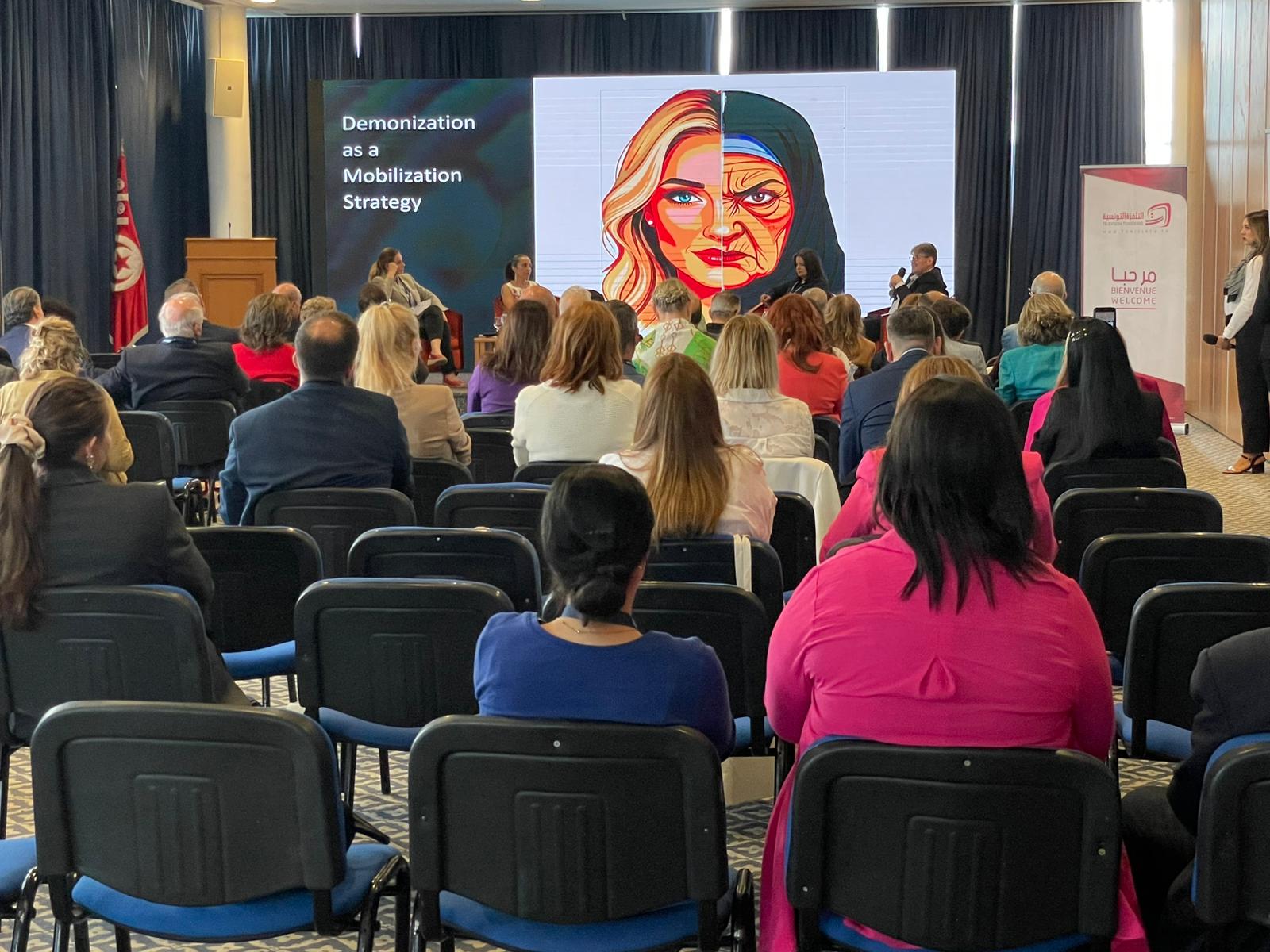
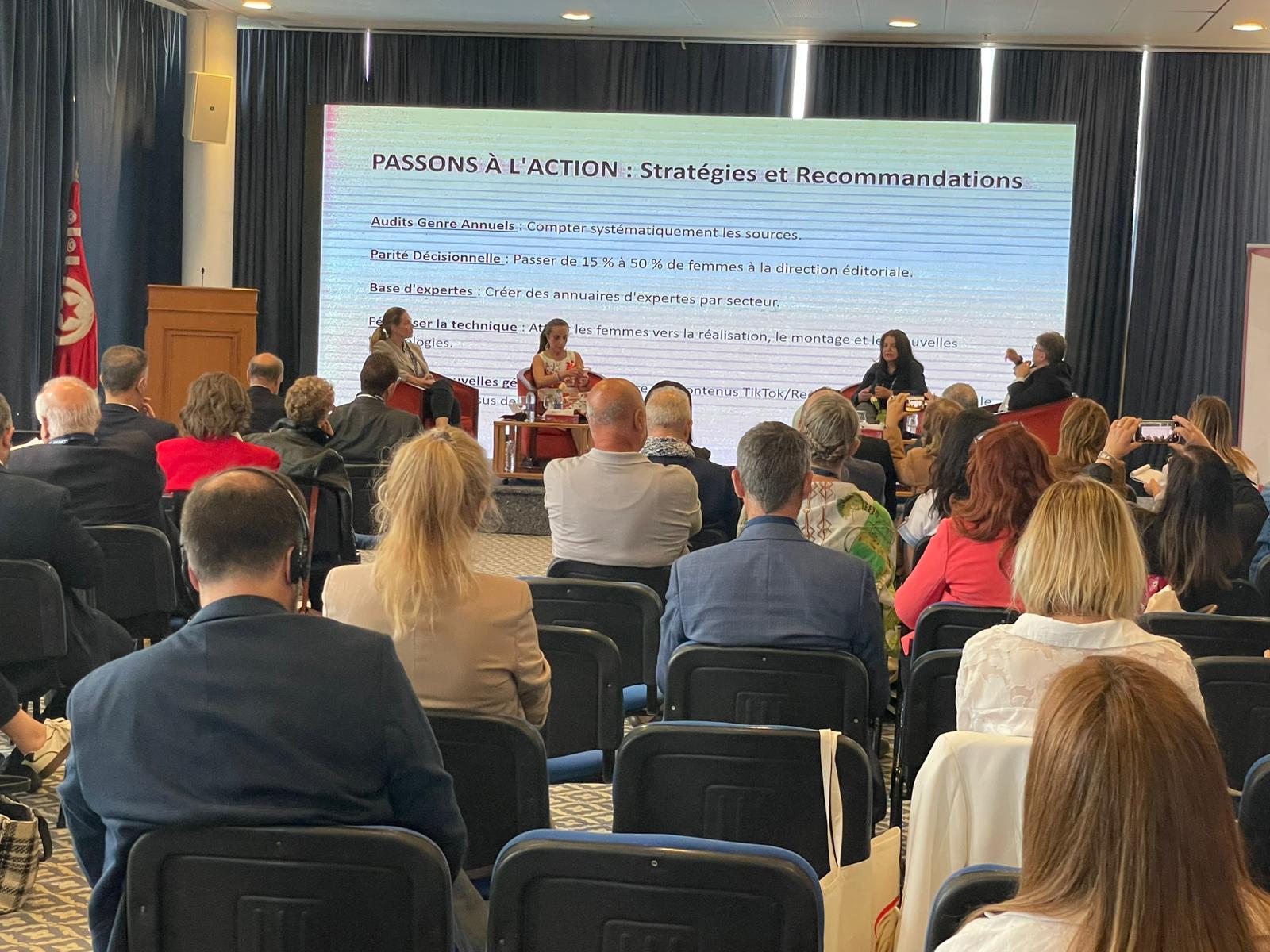
As Tunisia’s national coordinator of the largest and longest-running study on gender representation in global media, Lobna Najjar shared her expertise on the representation of women in the media, focusing on the Tunisian case study. After presenting the mission and methodology of the project, she revealed insufficient results: although over thirty years overall female representation has increased from 17% to 26%[1], it remains largely confined to social or cultural topics. Women are still widely underrepresented in economic or scientific coverage. They are more often presented as witnesses (34%) than as experts and authority figures (23%). The presentation concluded with recommendations on strategies to be implemented within media organizations to address these challenges.
At the end of the panel, a rich Q&A session led to a dynamic debate with the audience.
[1] Figures come from 2025 data collected by GMMP
COPEAM members’ showcase
Some members of COPEAM network delivered presentations aligned with the overall theme of the Conference, combining historical perspectives with contemporary outlooks:
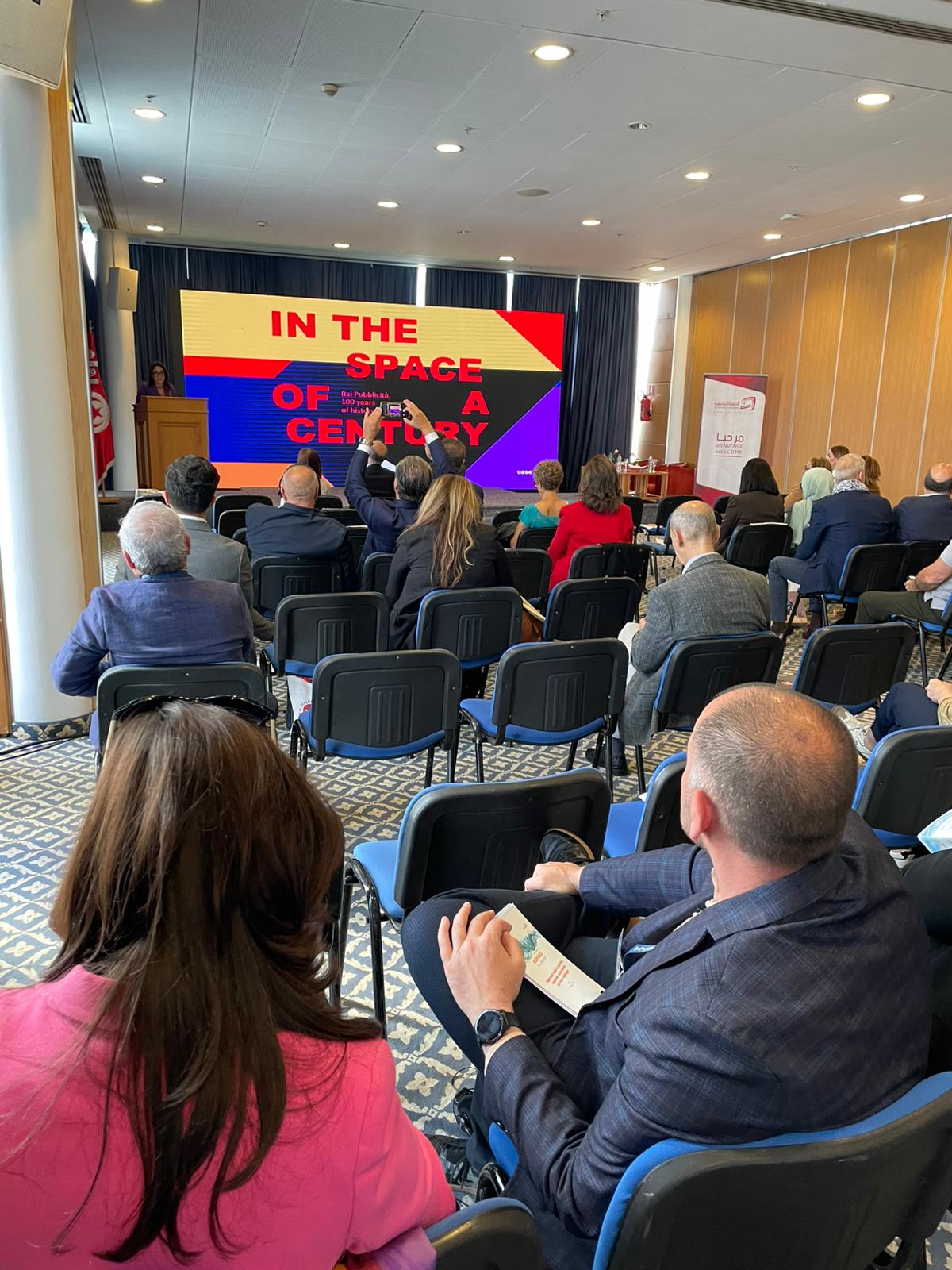
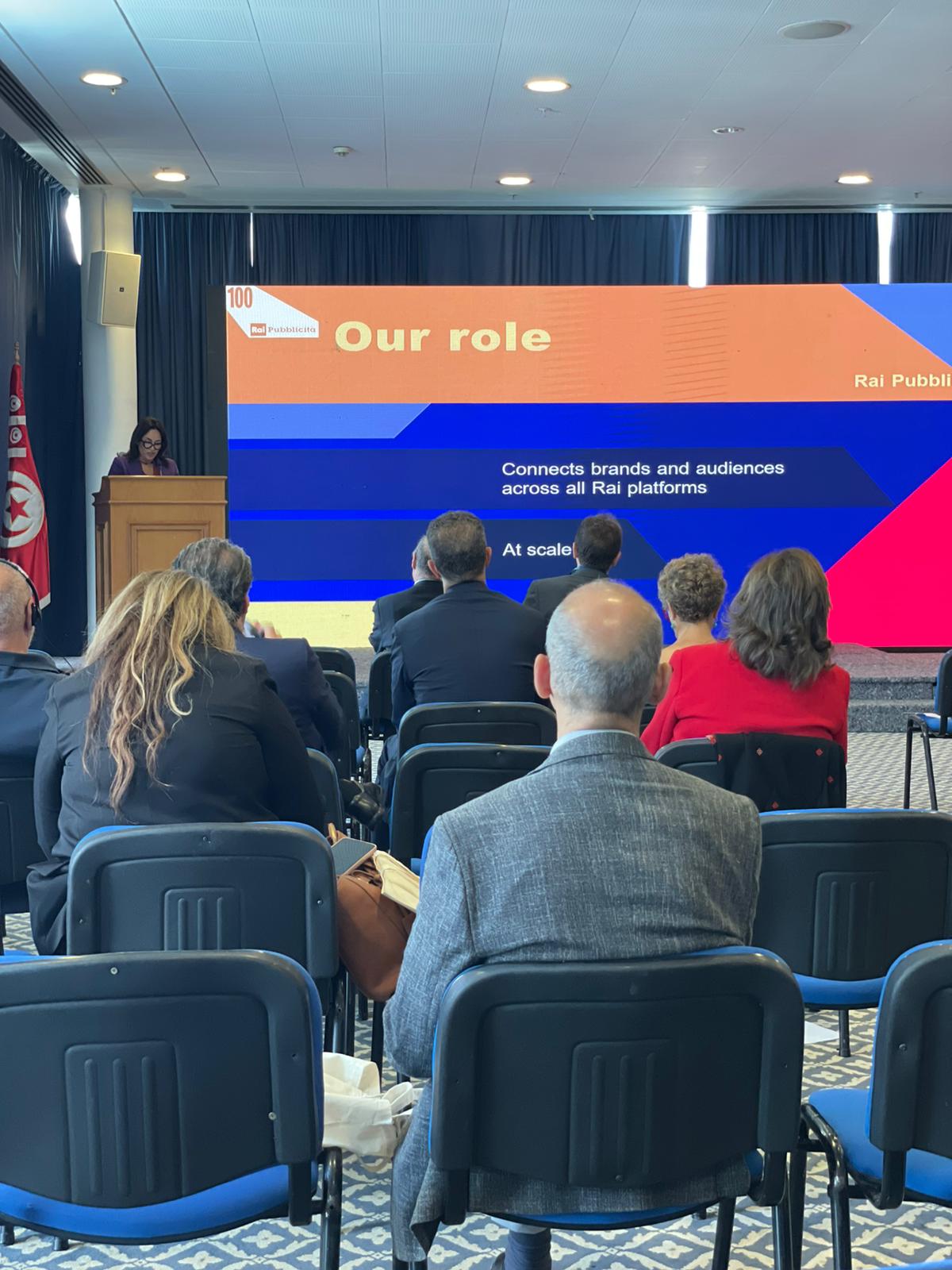
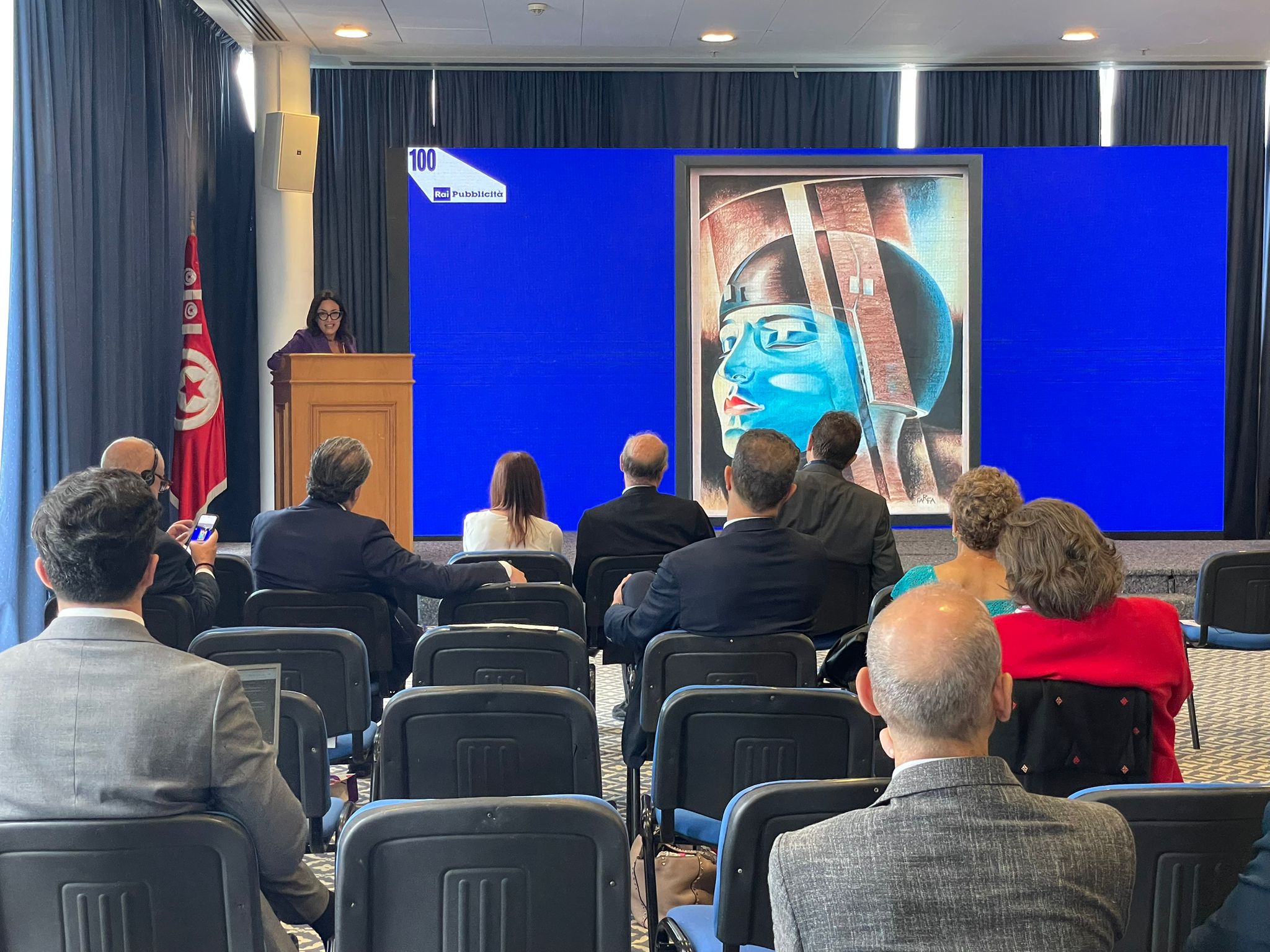
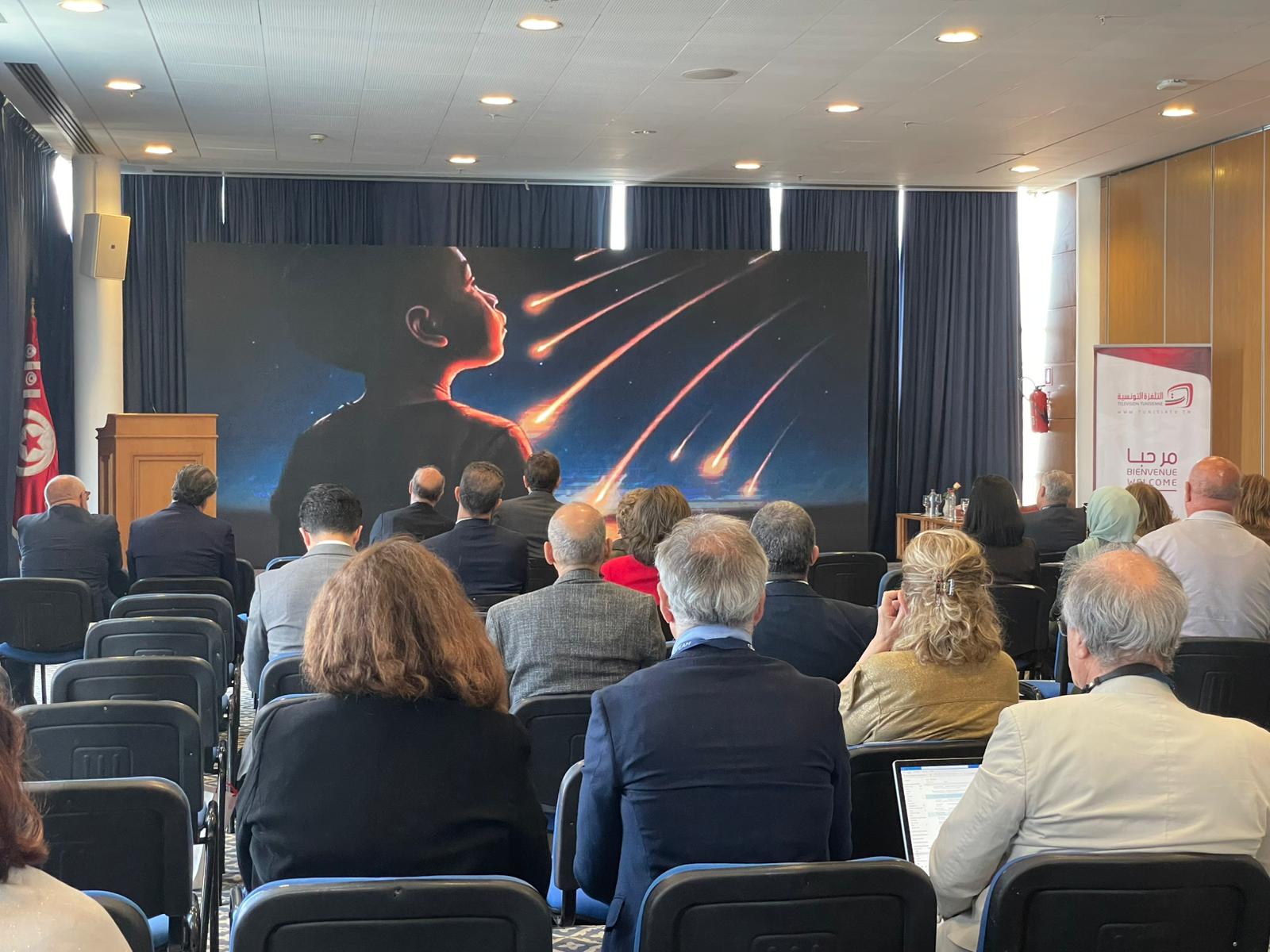
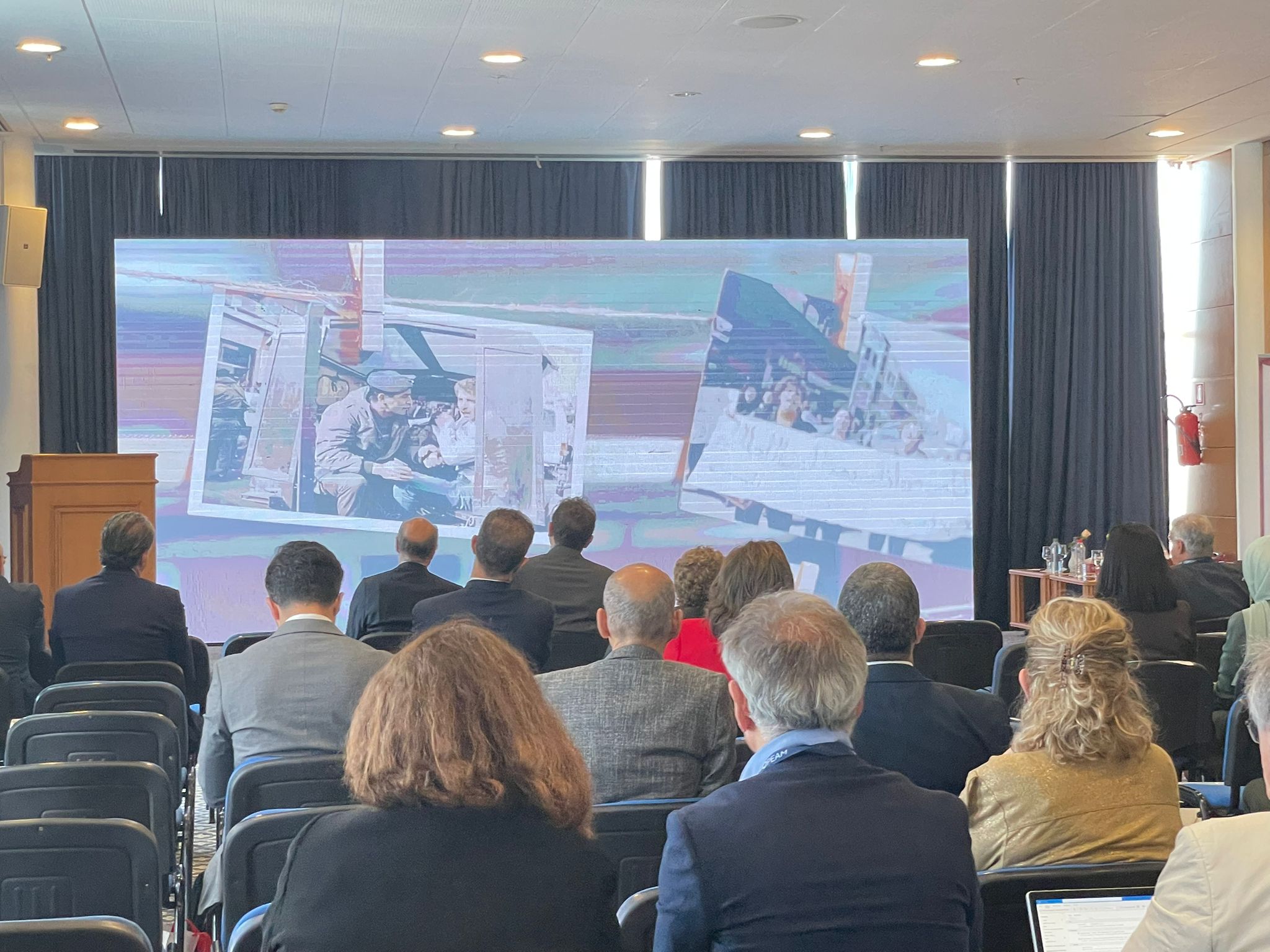
- Antonella Di Lazzaro from RAI focused on the 100th anniversary of “Rai Pubblicità”, the official advertising company of the Italian public broadcaster. Her presentation, rich in video content, highlighted the impact of audiovisual advertising on social customs and lifestyles, particularly in Italy.
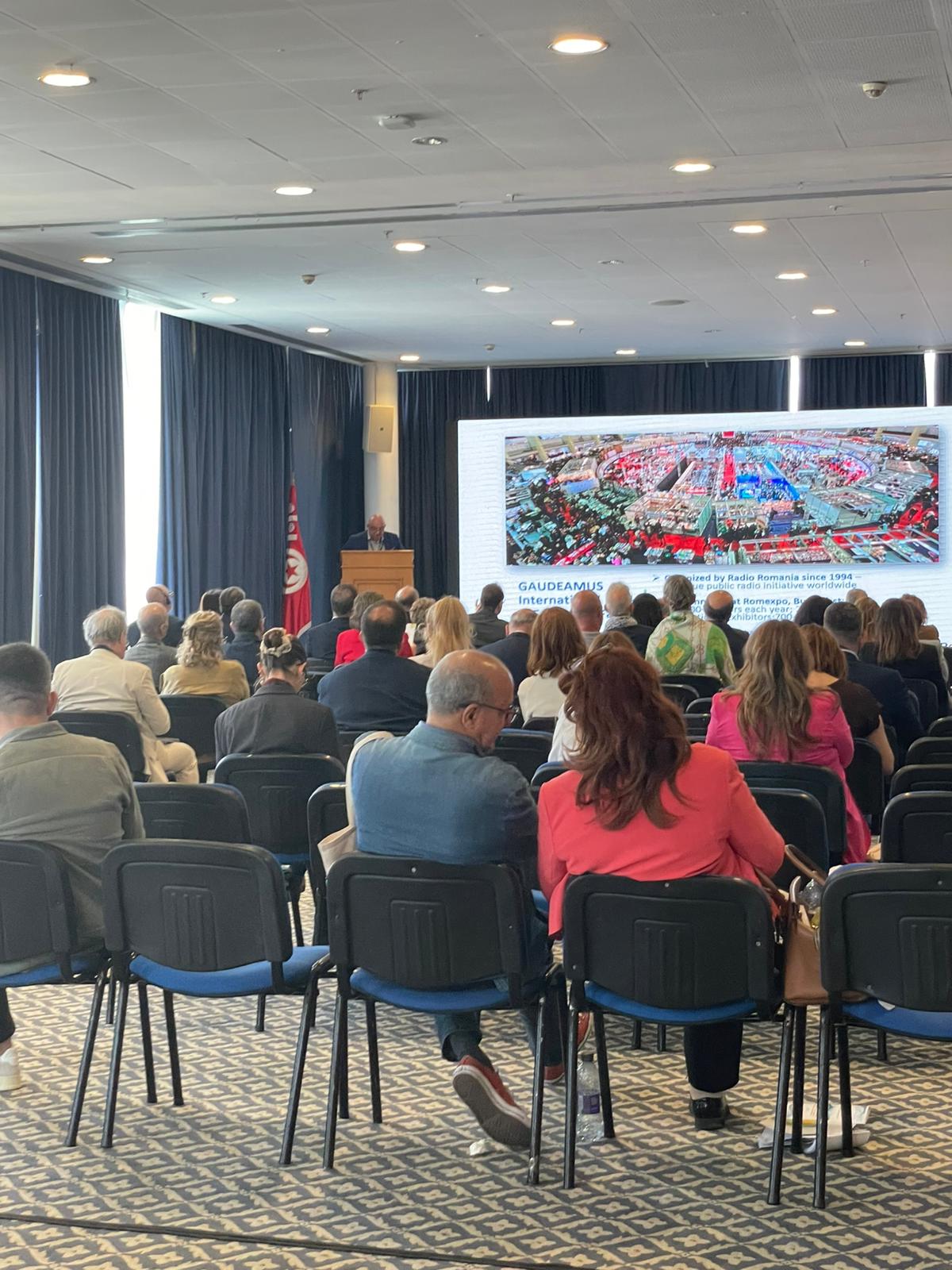
- Dan Santa from Radio Romania emphasized the contribution of the Romanian public radio, founded in 1928, to the representation of the country’s cultural and linguistic diversity, with a programme schedule in 15 languages and 7 radio stations. He particularly focused on traditional music content and the representation of rural communities.
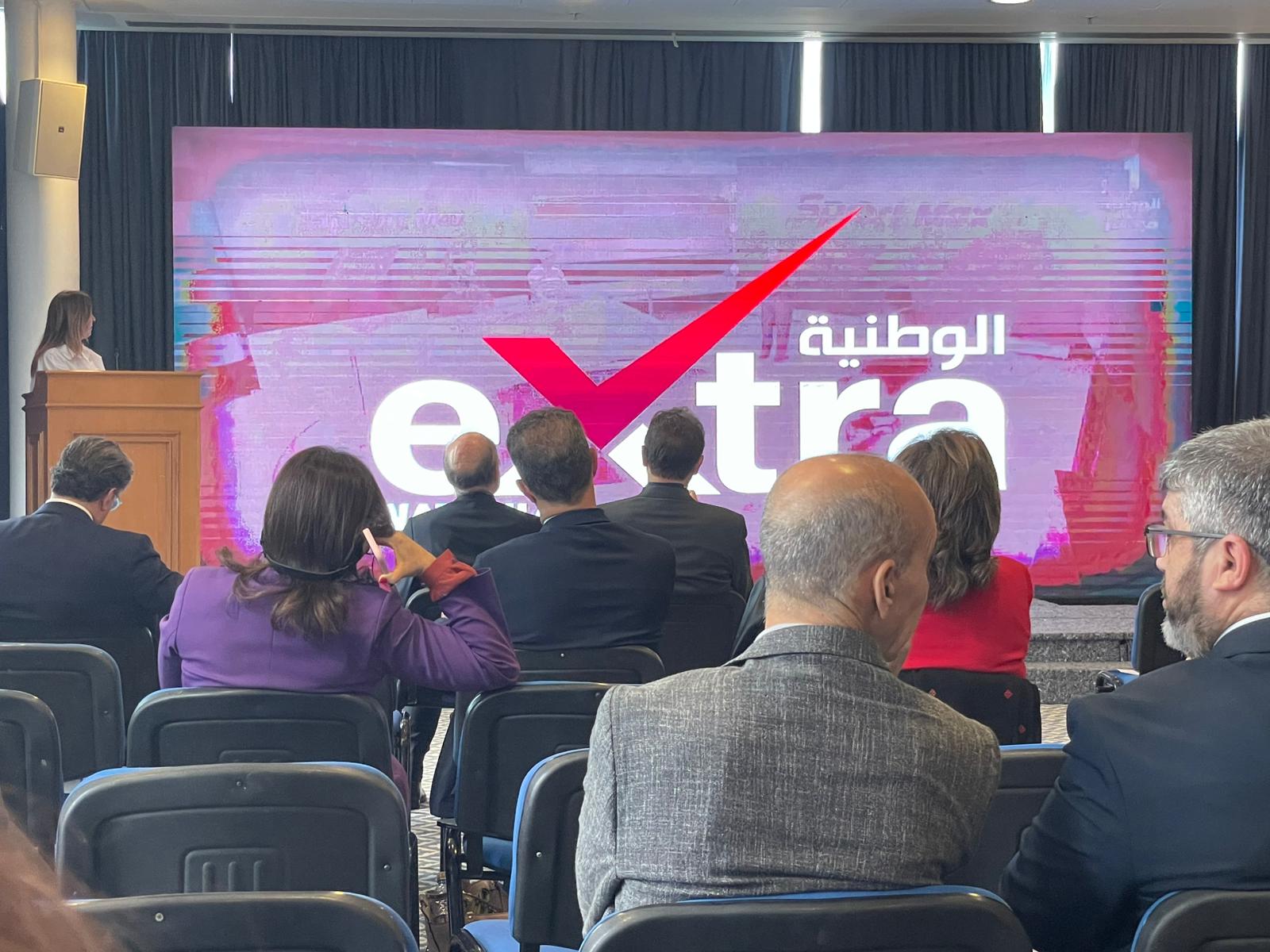
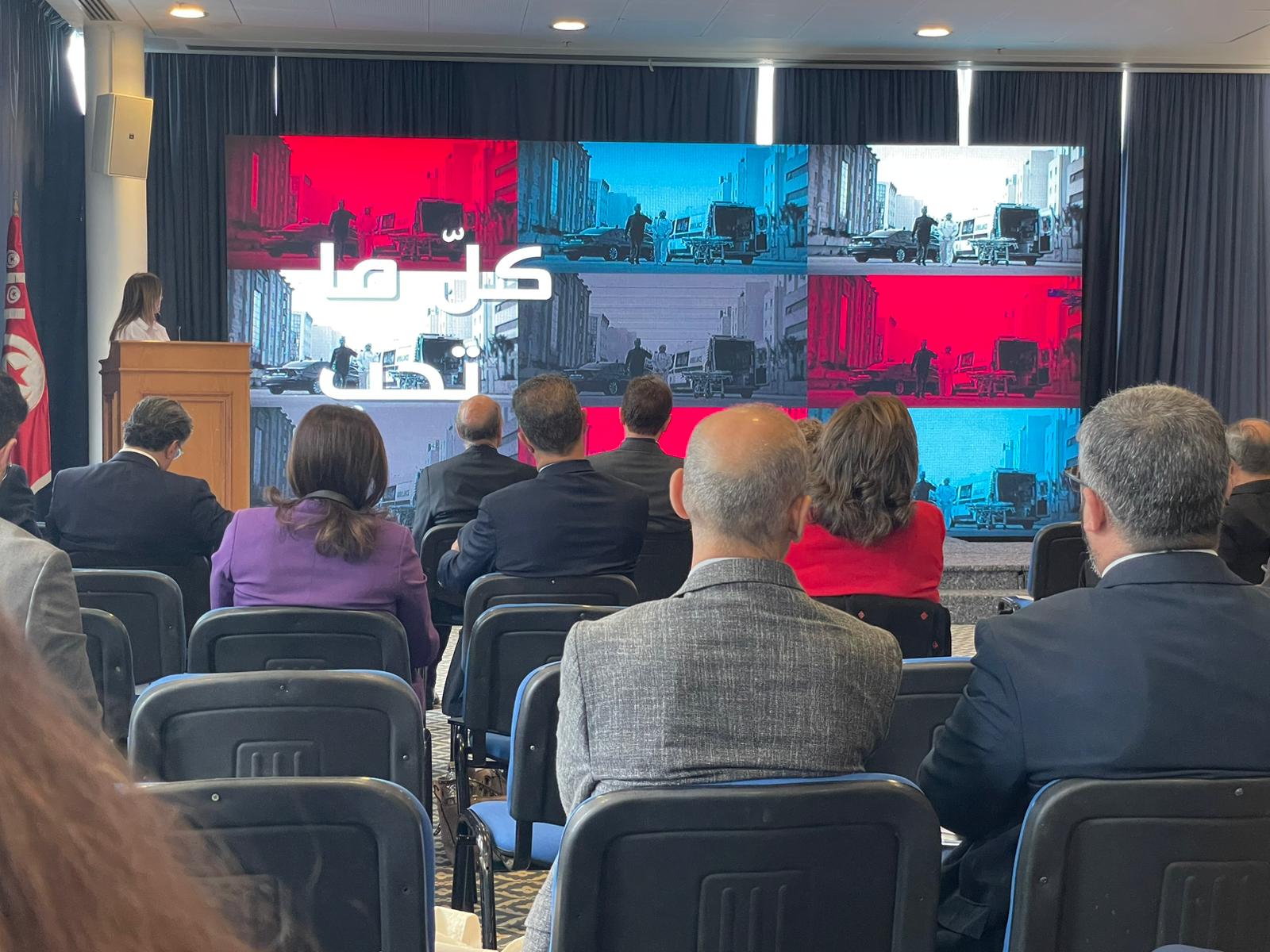
- Lobna Ben Manaa from Télévision Tunisienne, for the 60th anniversary of the national TV, highlighted the specificity of television as a reflection of the evolution of Tunisian society. Using archival footage, the team produced a comprehensive video narrating the country’s social, technological, political, and economic transformations since the launch of Tunisian channel 1 on 31 May 1966.
COPEAM Prizes’ Winners
Through a promotional video, the winners of the COPEAM awards for the past year were presented, including:
À Première Vue Award:
- La Conspiration des Tortues by Kamir Abbas-Terki (LabDZ, Algeria) – TV5Monde Grand Prize
- Shattered Memory by Hayat Laban (Dar Al Kalima University, Palestine) – Rai Cinema Award
- Toilet Paper by Rami Serhal (ALBA, Lebanon) – ANICA Academy / Università Uninettuno Award
- Carré Bleu by Charlélie Chasteau (ESAVM, Morocco) – Special Mention (for the original language between cinema and visual art)
- Shattered Memory by Hayat Laban (Dar Al Kalima University, Palestine) – FID/Mucem Youth Prize
PLURAL+ Prize:
“Global South” Special Prize within the Prix Italia:
- Free at Last – Unresolved Stories of Apartheid by South African Broadcasting Corporation (South Africa)
- Beyond the Sea by PBC (Palestine) – Special Mention
- The Snowman Race in Bhutan by BBS (Bhutan) – Special Mention
COPEAM/ASBU Inter-Rives #10 “The Power of Art: Creativity for Change”:
- Dancing Free by Clara Blasquez Vizeute, RTVE (Spain)
- Life Mask by Fedia Ben Henda, Télévision Tunisienne (Tunisia)
Joint Meeting of COPEAM Commissions
COPEAM's thematic Commissions aim to bring professionals together around specific topics and projects, promoting networking, synergies, and exchanges.
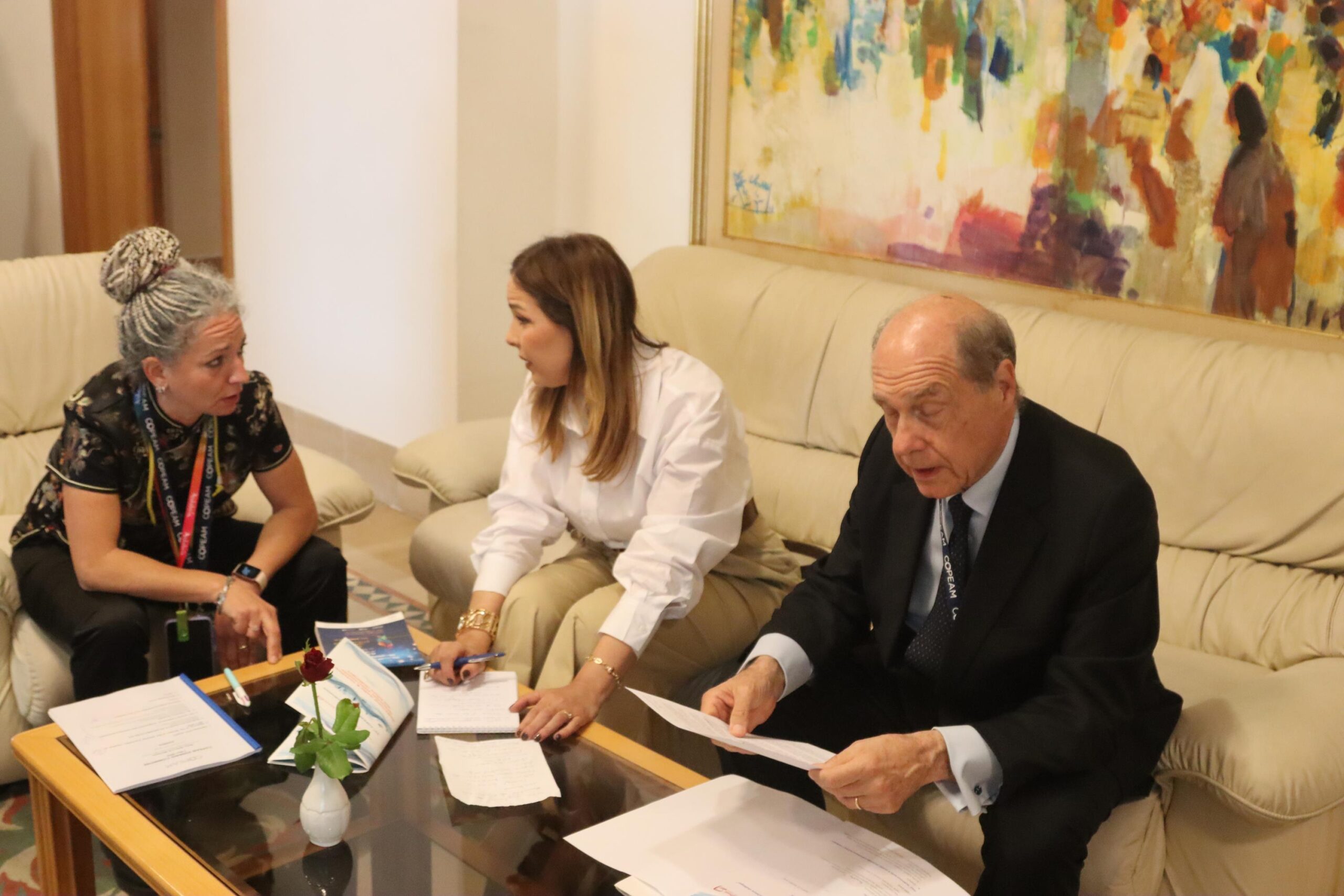
COPEAM staff and the Presidents of the Commissions provided an overview of the activities and projects over the past year, as well as future opportunities. Among the topics discussed:
- Radio Commission
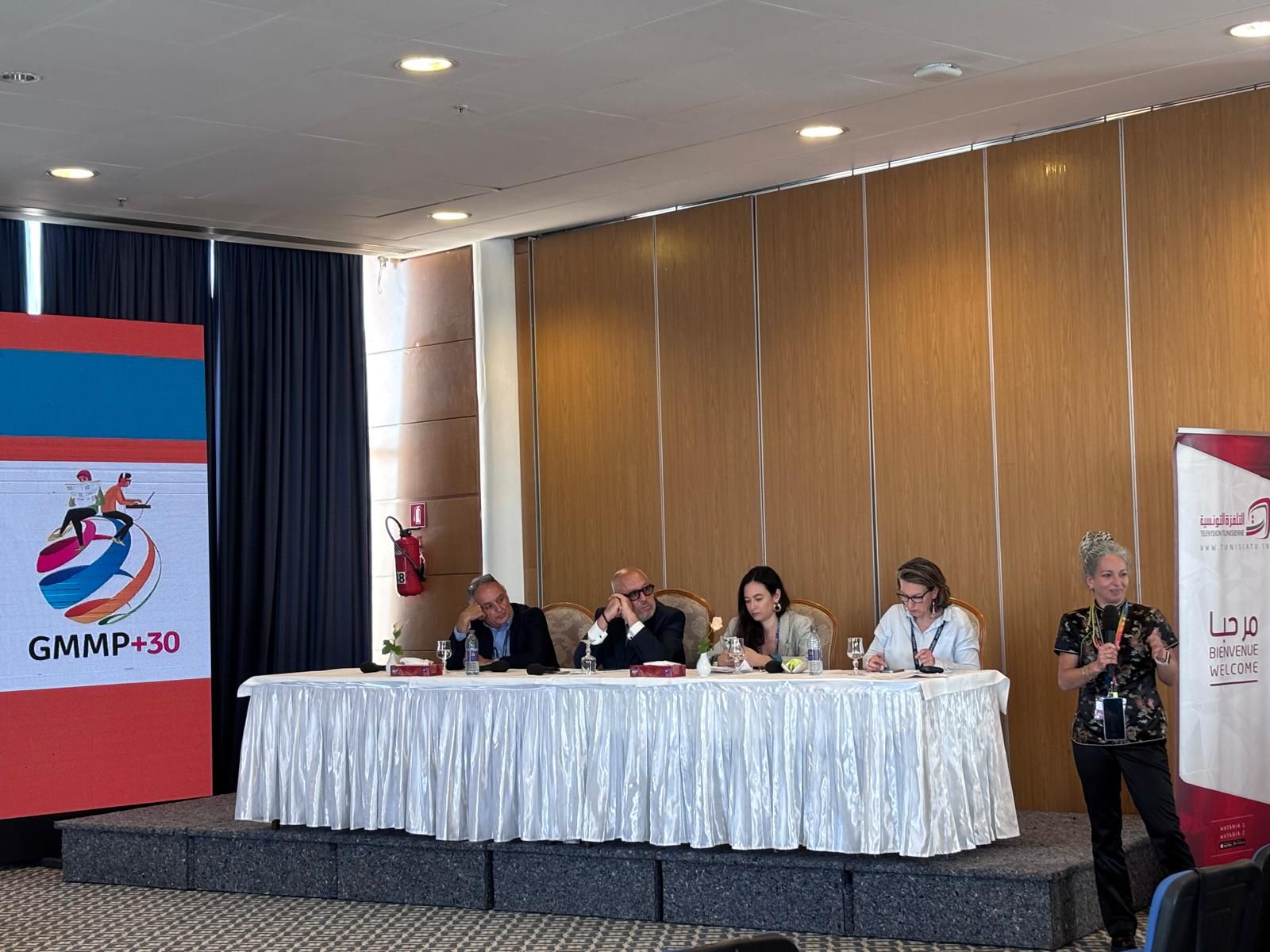
- Gender Equality and Diversity Commission
- Training Commission
- Cinema, Festival and Culture Commission
- Television Commission
• Development of the magazines Kantara and Mediterradio
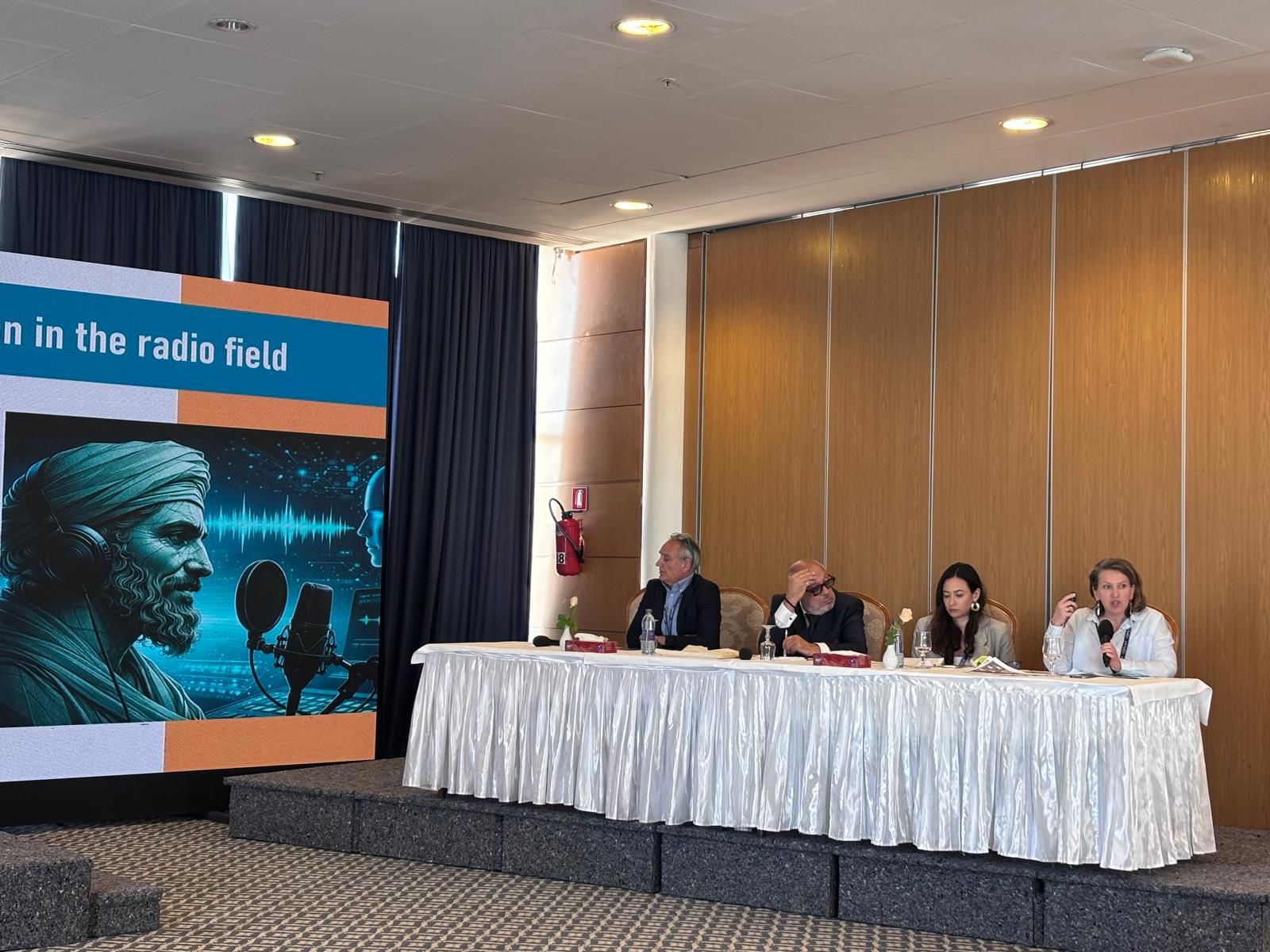
• Accomplished radio coproductions: “Arab philosophers, ancient and contemporary” and “Mediterranean monuments between sky and sea”
• Pilot project “Artificial intelligence for multilingual radio broadcasting” developed within the World Radio Day 2026 with the support of UNESCO
• New projects
• Who Gets to Speak in the News? COPEAM and the GMMP 2025 findings
• Gender Etiquette #2: 2nd edition of the corporate training programme by COPEAM for RAI
• COPEAM diversity toolkit for journalists presented at the 10th Diversity Media Awards’ launch event
• RAI/COPEAM training “Public Service Media programming and content production strategies for kids and youth audiences” - Rome, May 2025
• TRT/COPEAM training “Sports journalism: from broadcast to digital” - Ankara, January 2026
• RAI/COPEAM training “Communicating technological and scientific innovation: content production strategies for PSM” - Rome, April 2026
• “A Première Vue” Prize 2025
• Developments of the 2026 edition
• Inter-Rives 10 coproduction “The Power of Art: Creativity for Change”: awarded films
• Launch of Inter-Rives 11: “Shared roots, living connections”
• “Global South Award” at Rai’s Prix Italia 2025: assessment and awarded films
32nd General Assembly
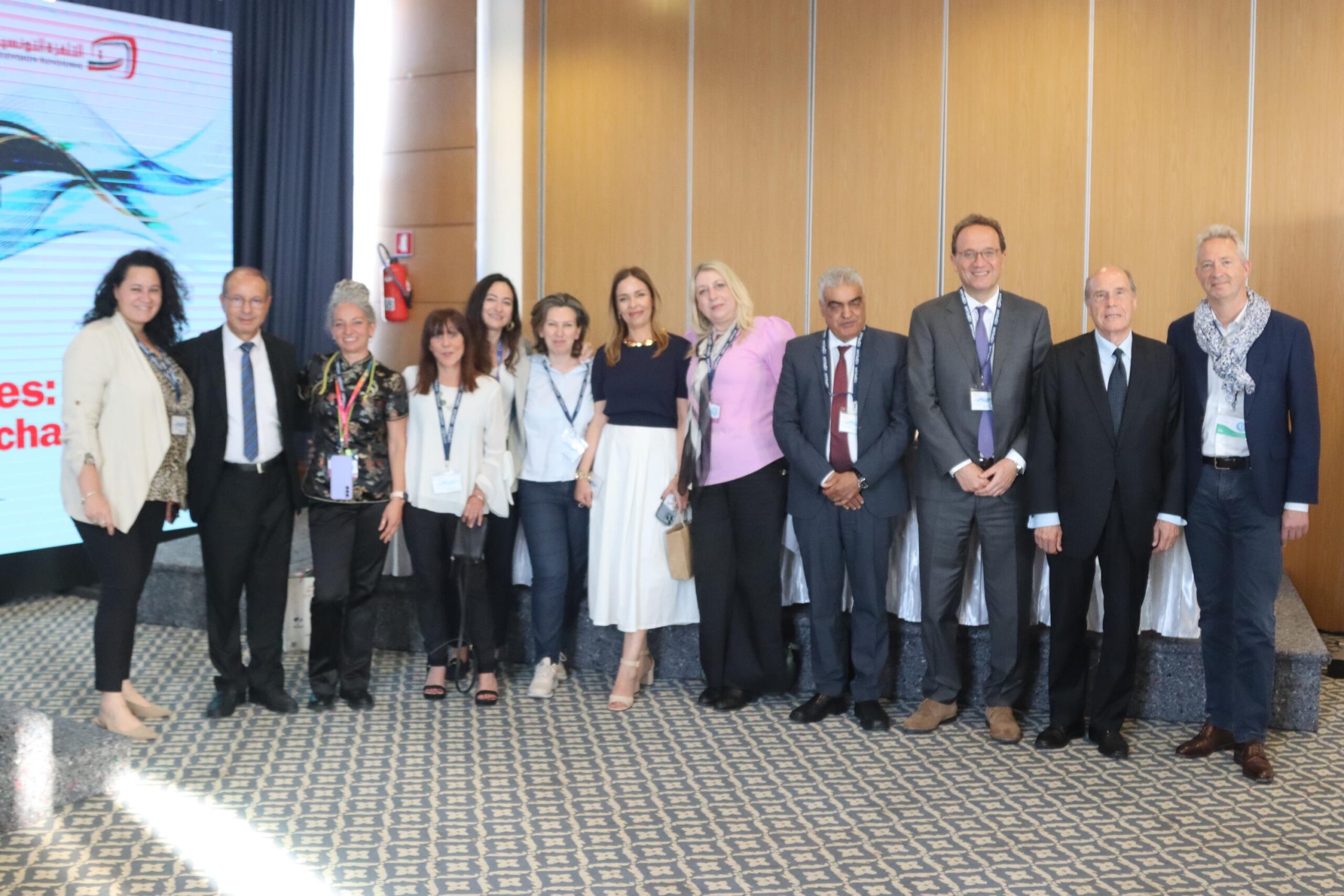
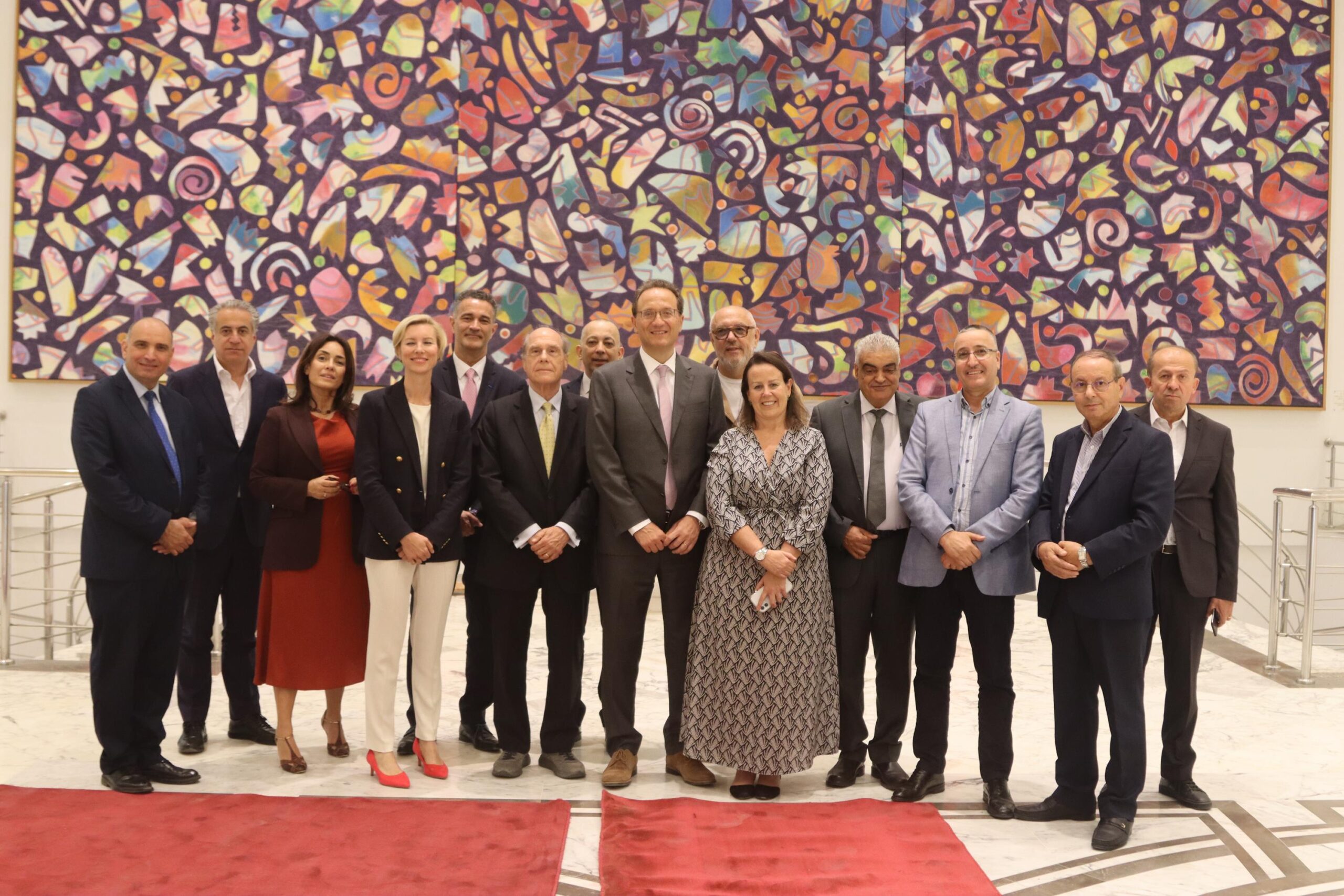
The annual Conference closed with the 32nd General Assembly, open exclusively to the members of the Association. Following the elections for its partial renewal, the COPEAM Steering Committee is composed as follows:
- BNT – Bulgaria
- EPTV – Algeria
- HRT – Croatia
- France Médias Monde – France
- France Télévisions – France
- Jordan Media City – Jordan
- MySat – Lebanon
- PBC – Palestine
- Radio France – France
- Radio Romania – Romania
- RAI – Italy
- RTSH – Albania
- RTVE – Spain;
- Tunisian Television – Tunisia
- TRT – Türkiye
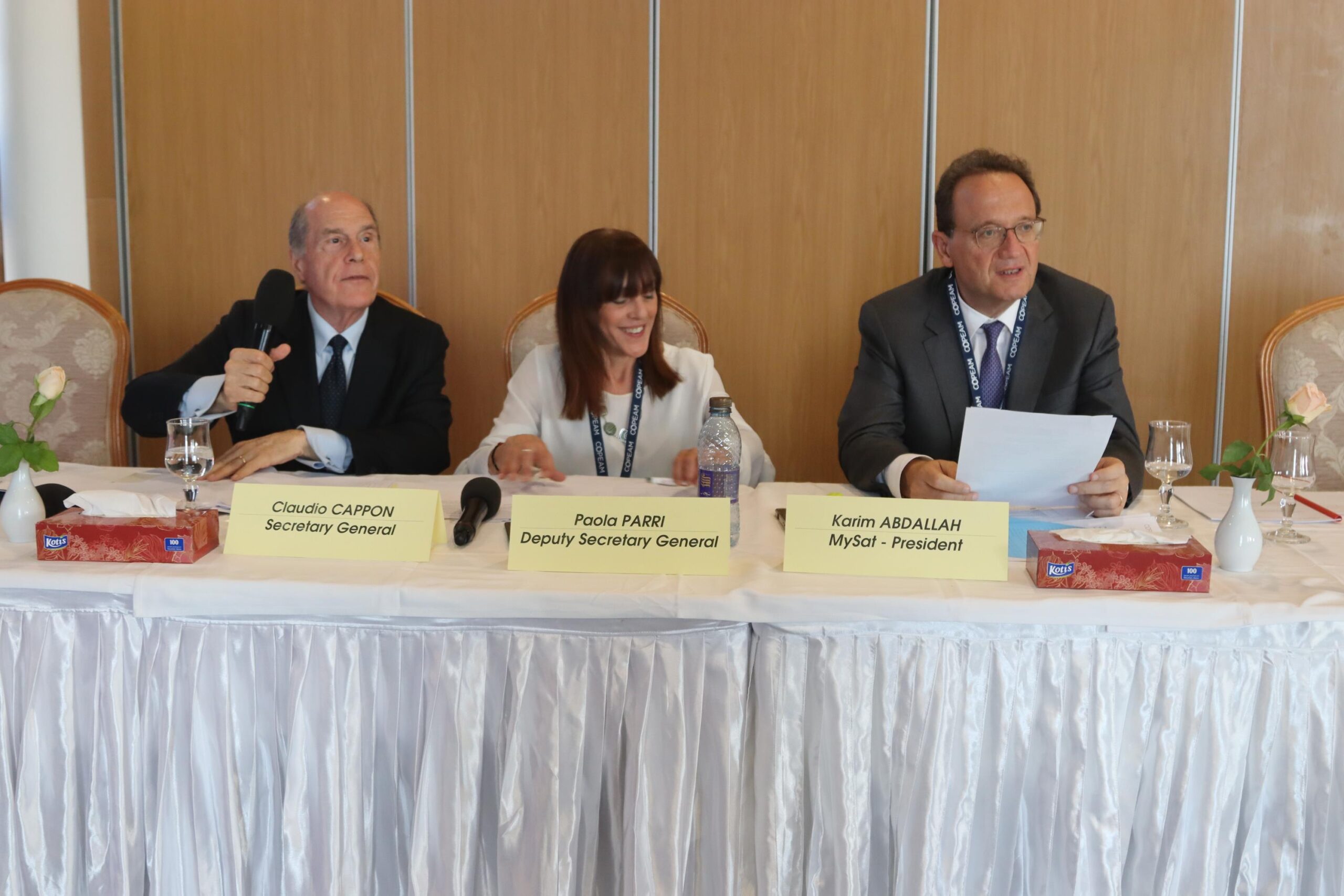
In Tunis, the Presidency of COPEAM was entrusted to Mr Karim Abdallah (MySat/Lebanon) for a second term, while the Vice-presidencies were assigned to Radio France, Radio Romania, Télévision Tunisienne and TRT/Türkiye.
Following the elections for the renewal of the Presidencies of COPEAM thematic Commissions, those positions were entrusted to:
- CINEMA/FESTIVAL/CULTURE: Zina Berrahal – TV5 Monde
- GENDER EQUALITY AND DIVERSITY: Monia Azzalini – Osservatorio di Pavia
- RADIO: Frank Lidon – Radio France
- TRAINING: Selin Burcu – TRT
- TELEVISION: Markus Nikel – RAI
At the end of 2 days of intensive and constructive exchanges, COPEAM reaffirms more than ever its role as a platform for dialogue and cooperation between Mediterranean audiovisual stakeholders, called upon to jointly address the challenges of a rapidly evolving sector.
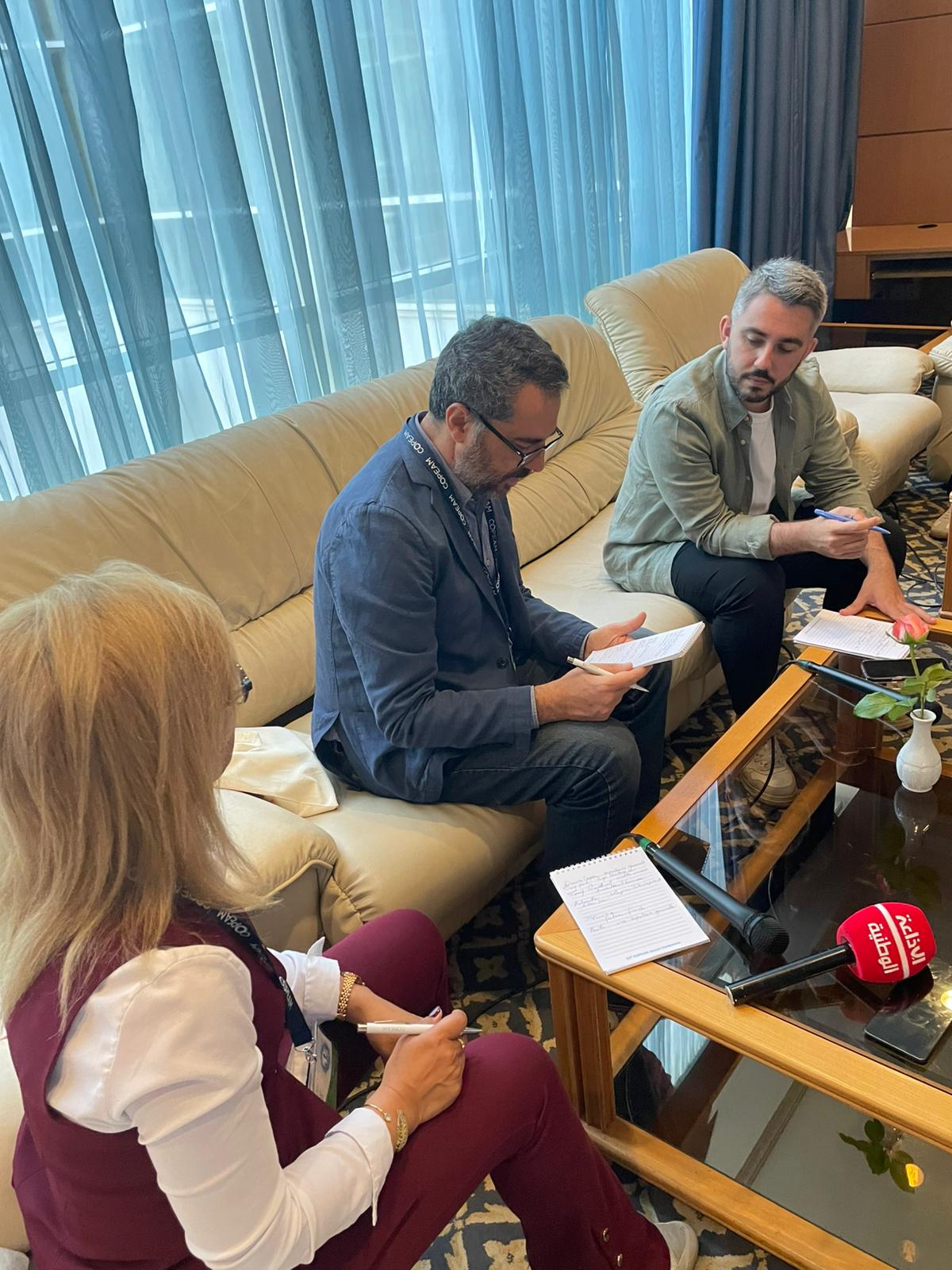
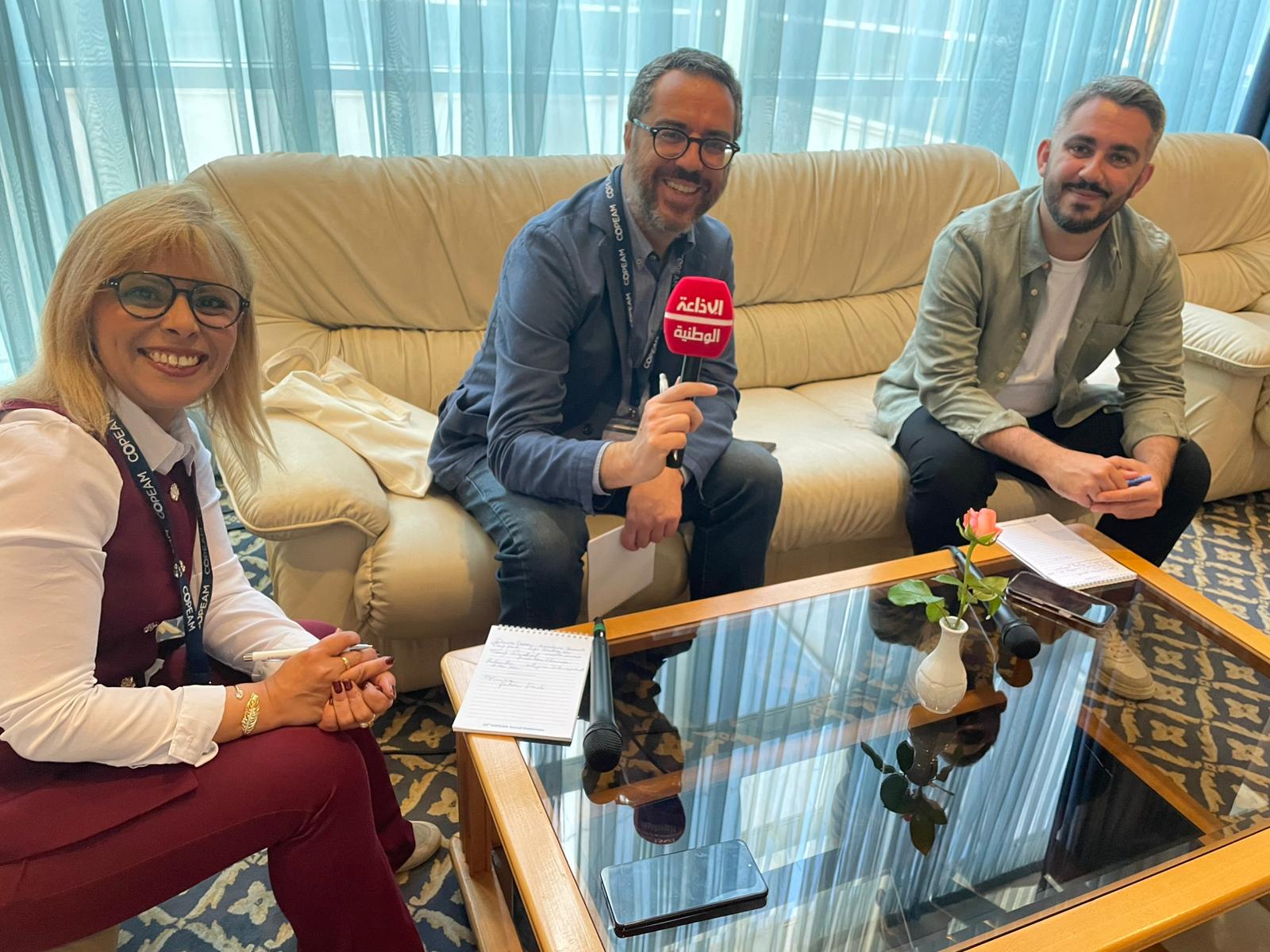
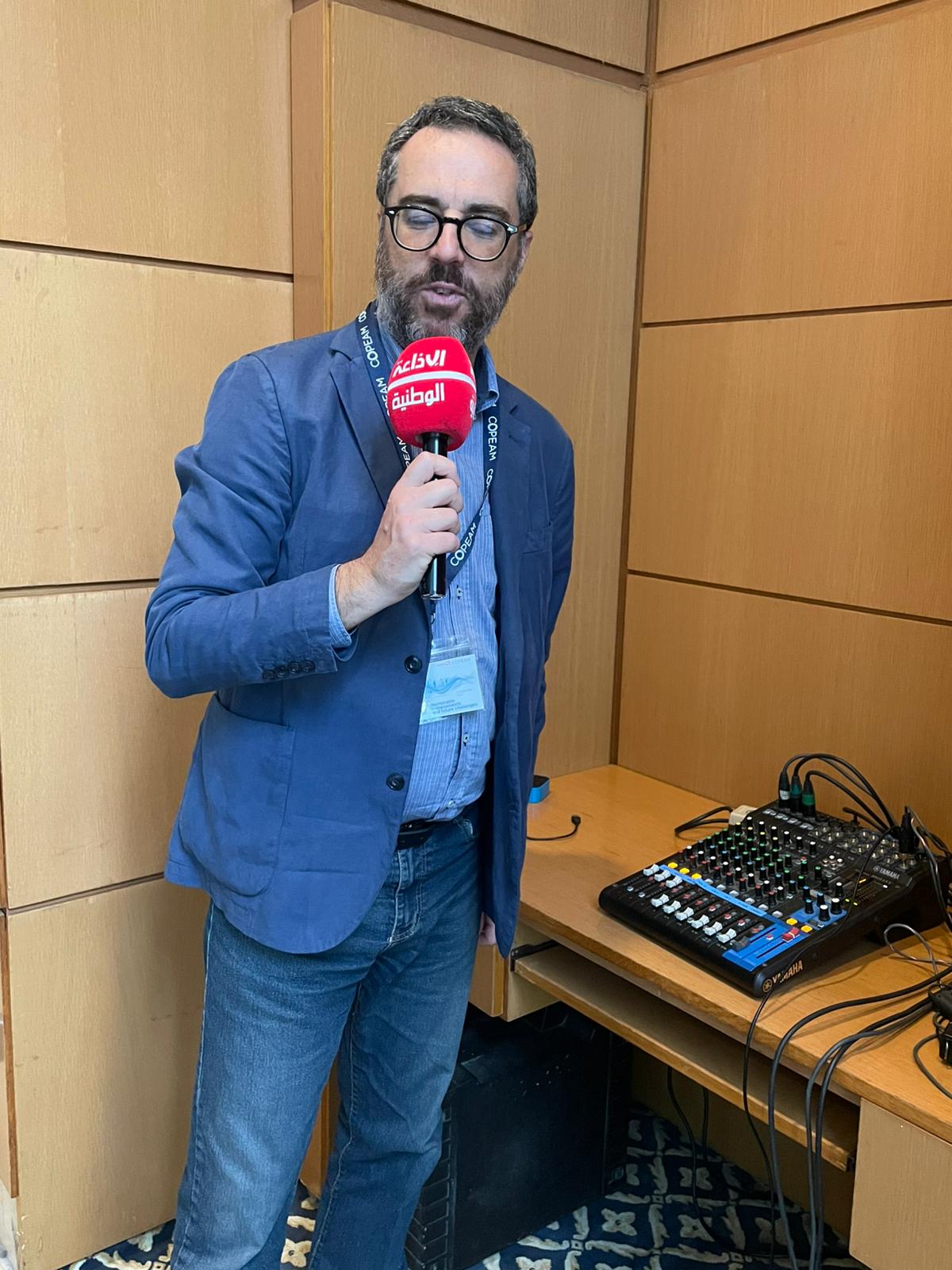
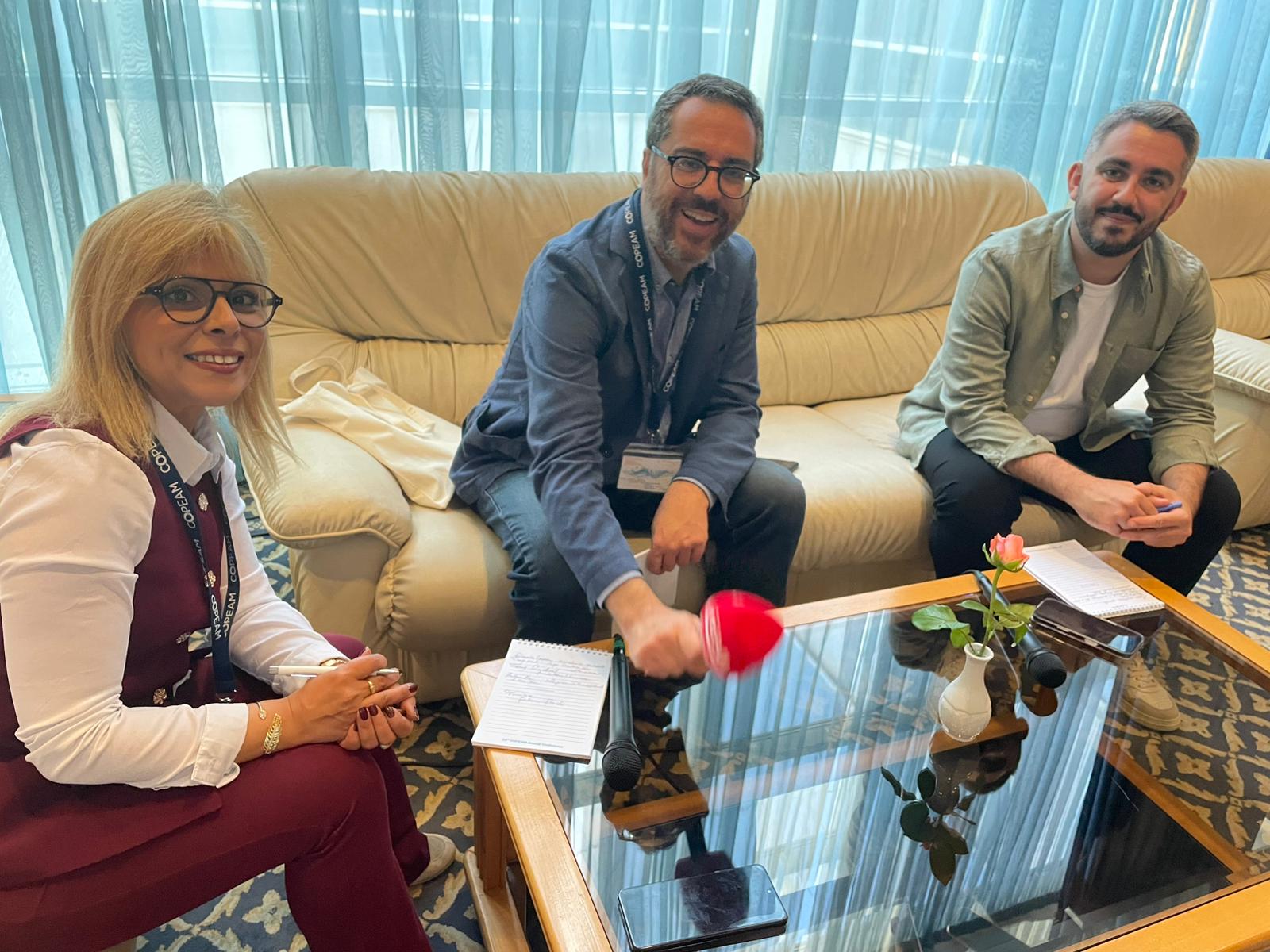
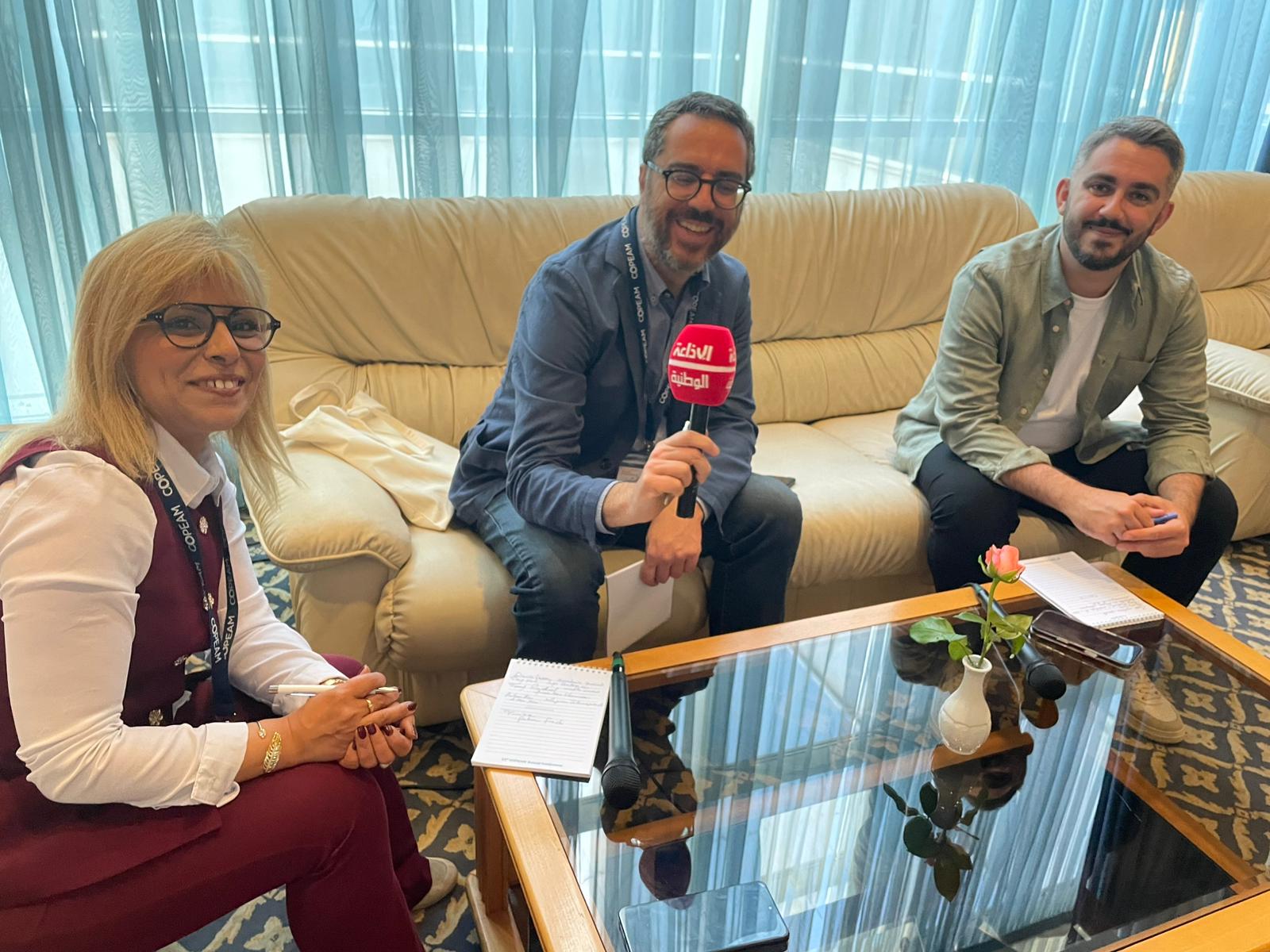
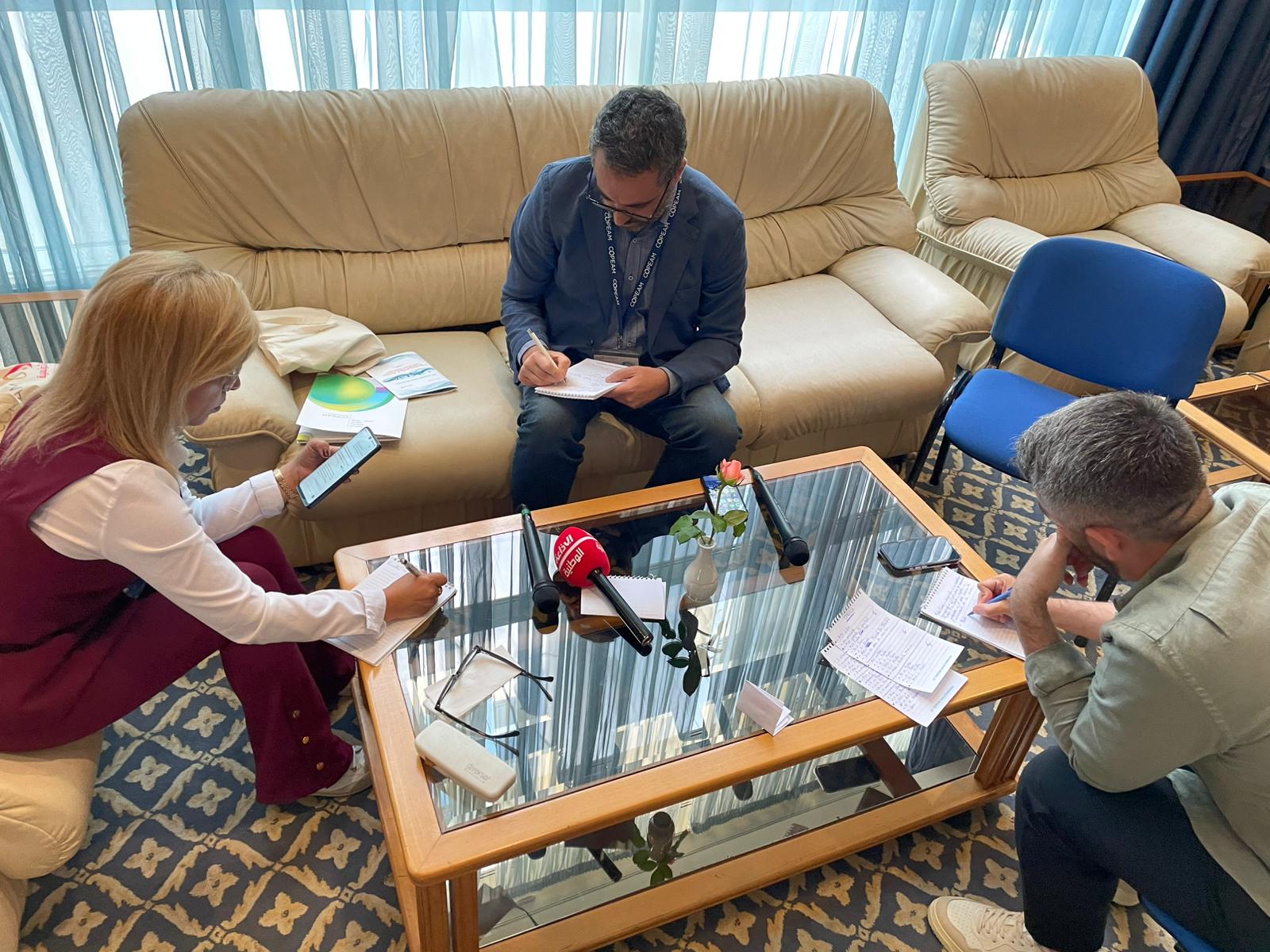
Special radio recording of Kantara and Mediterradio
Special events
Backstage